Home Improvement
Smart Energy Management: How to Lower Your Monthly Electricity Bills
Published
1 month agoon
By
IQnewswire
With energy costs climbing and households using more devices than ever, learning how to manage electricity wisely has become essential. Smart energy management isn’t just about saving a few dollars each month — it’s about creating a more efficient, sustainable lifestyle that benefits both your wallet and the planet.
By understanding where your electricity goes and making simple, strategic changes, you can take control of your energy use and enjoy consistent savings all year long. Here’s how to do it.
What Is Smart Energy Management?
Smart energy management is the process of monitoring, controlling, and optimizing your home’s energy use through both technology and habit changes.
It involves three key components:
- Awareness – Knowing how much energy your household consumes and when.
- Efficiency – Upgrading systems and appliances to use less power.
- Automation – Using smart devices that help manage energy without constant attention.
The goal isn’t just to cut back on electricity — it’s to make your energy consumption more intentional, balanced, and cost-effective.
Step 1: Understand Your Energy Usage
Before you can lower your bill, you need to know where your energy is going.
Start by reviewing your utility bill to identify patterns. Are your costs higher in the summer or winter? Do they spike on weekends or at night? This data helps you see how seasonal habits and household activities impact consumption.
You can also invest in a smart energy monitor — a small device that connects to your electrical panel and provides real-time insights through an app. These monitors break down usage by appliance, helping you pinpoint which devices are costing you the most.
Once you know your energy patterns, you can make informed decisions about where to cut back.
Step 2: Optimize Heating and Cooling
Heating and cooling typically account for nearly half of a home’s total energy use. Even small improvements in this area can lead to major savings.
- Use a smart thermostat: Devices like the Nest or Ecobee learn your schedule and automatically adjust temperatures to save energy when you’re not home.
- Seal leaks: Insulate windows, doors, and attic spaces to prevent heat from escaping in winter and cool air from leaking in summer.
- Regular maintenance: Replace air filters monthly and schedule seasonal HVAC tune-ups to keep systems running efficiently.
A one-degree change in thermostat settings can reduce your energy use by about 3%, which adds up over time.
Step 3: Upgrade to Energy-Efficient Appliances
Old or inefficient appliances are some of the biggest culprits behind high electricity bills. When it’s time to replace your refrigerator, washing machine, or dishwasher, look for ENERGY STAR®-certified models.
These appliances are designed to use less energy without sacrificing performance. For instance:
- A new refrigerator can use 40% less energy than one from a decade ago.
- Modern washing machines consume less water and electricity per cycle.
- Induction cooktops heat faster and use less power than traditional electric stoves.
Even if you can’t replace everything at once, prioritizing upgrades for your most-used appliances can make a noticeable difference.
Step 4: Light Smarter, Not Harder
Lighting typically makes up around 10–15% of a home’s electricity use. Switching to LED bulbs can cut lighting costs by up to 75%.
Go a step further by adding:
- Motion sensors that turn lights off automatically in empty rooms.
- Dimmer switches to adjust brightness and save energy.
- Smart bulbs you can control remotely via phone or voice assistant.
In 2026 and beyond, lighting efficiency continues to improve, with smart systems that adjust brightness based on natural light levels — making your home both smarter and more sustainable.
Step 5: Unplug Energy Vampires
Many devices consume electricity even when turned off — a phenomenon known as standby power drain. Chargers, gaming consoles, printers, and TVs can silently increase your bill every month.
To fight back:
- Plug electronics into power strips and turn them off when not in use.
- Unplug chargers after phones and laptops are full.
- Use smart plugs that automatically cut power to idle devices.
This simple habit can save an average household $100–$200 per year without any major lifestyle changes.
Step 6: Take Advantage of Off-Peak Hours
Many utility companies use time-of-use (TOU) pricing, which charges different rates depending on when electricity is used. Power tends to be more expensive during peak hours (afternoons and early evenings) and cheaper late at night or early in the morning.
By running appliances like dishwashers, washing machines, and electric vehicle chargers during off-peak hours, you can reduce costs without cutting usage.
For example, residents comparing corpus christi electricity rates can often find plans that reward off-peak energy habits or offer special discounts for smart home devices that optimize energy use automatically.
Step 7: Incorporate Renewable Energy
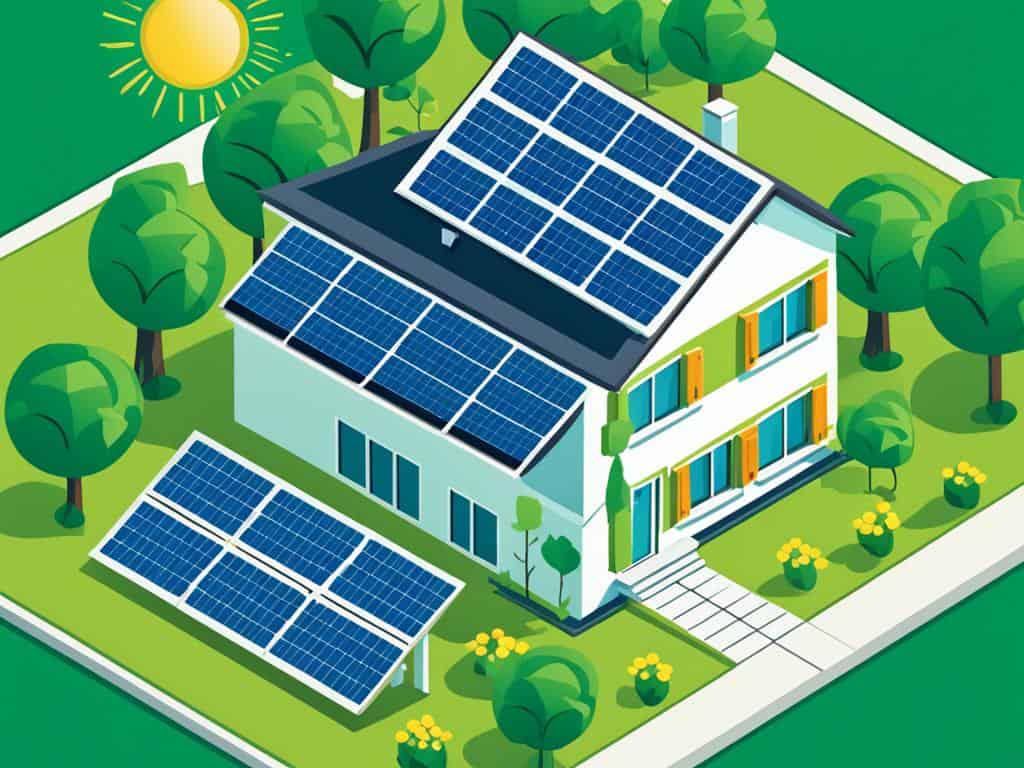
If you’re ready to take your energy savings to the next level, consider adding renewable energy sources to your home.
- Solar panels can significantly reduce your dependence on the grid and may qualify for state or federal incentives.
- Community solar programs allow renters and homeowners alike to invest in shared solar energy systems.
- Solar water heaters can reduce water heating costs by up to 50%.
Even small renewable installations can offset rising utility costs and make your household more energy independent.
Step 8: Use Smart Home Automation
Smart home systems are revolutionizing energy management. Devices now integrate with apps and voice assistants to automate and track energy usage effortlessly.
For example, you can:
- Program lights and appliances to turn off automatically when you leave home.
- Set your thermostat to adjust based on outside weather conditions.
- Receive notifications about unusual spikes in power use.
These technologies take the guesswork out of saving energy and ensure every device is working efficiently in the background.
Step 9: Cultivate Daily Energy-Saving Habits
Technology can only do so much — long-term savings depend on consistent habits. Encourage everyone in your household to participate by:
- Turning off lights when leaving a room.
- Running full loads in the dishwasher and laundry.
- Air-drying clothes whenever possible.
- Using natural daylight instead of artificial lighting.
Even small acts, practiced daily, can add up to substantial savings over the course of a year.
Step 10: Track and Adjust Regularly
Smart energy management is not a “set it and forget it” process. Revisit your usage data every month to see what’s working and what’s not.
Most utility providers now offer online dashboards where you can view detailed breakdowns of your energy consumption. Use this data to adjust habits, plan upgrades, or choose better rate plans.
Continuous tracking keeps you accountable and ensures your energy-saving efforts remain effective.
Final Thoughts
Energy efficiency isn’t just about being eco-friendly — it’s about being smart with your resources. By combining technology, awareness, and good habits, you can significantly lower your monthly electricity bills while contributing to a greener planet.
In today’s connected world, smart energy management gives homeowners control, convenience, and cost savings — a true win-win.
The more mindful we become about how we use energy, the more empowered we are to shape a sustainable, affordable future — one efficient watt at a time.
Football’s Most Unpredictable League: The Premier League
Data Privacy and Confidentiality in Legal AI: Keeping Sensitive Matters Secure
Jodi Faeth: What Happened to Mike Wolfe’s Ex-Wife After Divorce?
How GEO Helps Startups Compete With Enterprise-Level AI Visibility
Who Is Cassandra Marino? Caitlyn Jenner’s Daughter Who Lives a Private Life
Get to Know Nathan Andersen: A. J. Cook’s Husband and Proud Family Man
From Digital to Tangible: The Human Impact of Cryptocurrency to Fiat Adoption
The Real Story of Melissa Meeks, Jeremy Meeks’ Famous Ex-Wife
MegaCustom: Personal Gifts Made Beautiful
Design Something Special with MegaCustom
Who Is Marlene Knaus? The Untold Story of Niki Lauda’s First Wife
Curious About JOI Database? Read This First Before You Click Anything
Jacqueline Bernice Mitchell: The Inspiring Story of Jerry Rice’s Ex-Wife
Should You Use Wooflix in 2025? Honest Review and Best Alternatives
Where Is Noelle Watters Now? Jesse Watters’ Ex-Wife’s Life After Divorce
Where Is Barbara Boothe Now? Inside Her Life After Larry Ellison
Alisande Ullman Today: What Happened After Her Divorce from Leslie Nielsen?
Where Is Tanya Hijazi Now?: All About Rick James’ Former Wife
Wendy Lang: Meet the Therapist Married to Cenk Uygur
Mickey Middleton: The Untold Story of Bryan Cranston’s First Wife
Football’s Most Unpredictable League: The Premier League
Data Privacy and Confidentiality in Legal AI: Keeping Sensitive Matters Secure
Jodi Faeth: What Happened to Mike Wolfe’s Ex-Wife After Divorce?
How GEO Helps Startups Compete With Enterprise-Level AI Visibility
Who Is Cassandra Marino? Caitlyn Jenner’s Daughter Who Lives a Private Life
Get to Know Nathan Andersen: A. J. Cook’s Husband and Proud Family Man
From Digital to Tangible: The Human Impact of Cryptocurrency to Fiat Adoption
The Real Story of Melissa Meeks, Jeremy Meeks’ Famous Ex-Wife
MegaCustom: Personal Gifts Made Beautiful
Design Something Special with MegaCustom
Categories
Trending
-
Celebrity6 months agoWho Is Marlene Knaus? The Untold Story of Niki Lauda’s First Wife
-
Entertainment5 months agoCurious About JOI Database? Read This First Before You Click Anything
-
Celebrity3 months agoJacqueline Bernice Mitchell: The Inspiring Story of Jerry Rice’s Ex-Wife
-

Entertainment5 months agoShould You Use Wooflix in 2025? Honest Review and Best Alternatives