Connect with us

Health

Smart Band: Revolutionizing Health and Lifestyle Monitoring

Published

on

In the modern age of technology, personal health and lifestyle monitoring has taken a leap forward with devices like the smart band. These compact, wearable devices are no longer just accessories; they are powerful tools that help individuals track physical activity, monitor health metrics, and enhance overall well-being. This article delves deep into the features, benefits, and applications of smart bands, particularly focusing on their significance for different age groups, including the elderly.

What is a Smart Band?

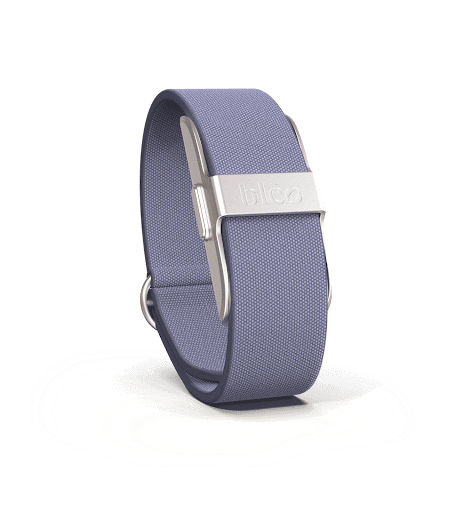
A smart band is a wearable electronic device designed to monitor and track various health and fitness-related metrics. Unlike traditional watches, smart bands come equipped with sensors that can measure heart rate, blood pressure, sleep quality, and even oxygen levels in the blood. These devices sync seamlessly with smartphones, enabling users to store and analyze their health data over time.

Smart bands are lightweight, comfortable, and designed for continuous wear. They typically include features such as step counters, calorie tracking, sedentary reminders, and smart notifications for calls and messages, making them multifunctional devices that cater to both fitness enthusiasts and general users.

Key Features of Smart Bands

  1. Activity Tracking: Smart bands can track daily steps, distance traveled, and calories burned. Advanced models can also monitor specific exercises like running, cycling, or swimming.
  2. Heart Rate Monitoring: Continuous heart rate monitoring helps users understand their cardiovascular health and manage stress levels more effectively.
  3. Sleep Tracking: These devices analyze sleep patterns, providing insights into sleep quality, duration, and disruptions, which is vital for maintaining mental and physical health.
  4. Blood Oxygen Monitoring: Some smart bands include SpO2 sensors to track oxygen saturation in the blood, useful for detecting early signs of respiratory issues.
  5. Notifications and Alerts: Smart bands can display notifications for calls, messages, and social media updates, reducing the need to check smartphones constantly.
  6. Water Resistance: Many smart bands are water-resistant, making them suitable for swimming or daily wear without worrying about damage.

Benefits of Using a Smart Band

Smart bands offer numerous advantages, both for general users and specific populations like the elderly. The benefits can be categorized into health monitoring, lifestyle management, and safety.

Health Monitoring

Regular monitoring of vital signs is crucial for maintaining good health. Smart bands provide real-time feedback on heart rate, blood pressure, and oxygen levels, allowing users to detect anomalies early. For fitness enthusiasts, this data helps optimize workouts by understanding the body’s responses to physical activity.

Lifestyle Management

Smart bands promote a more active and structured lifestyle. With features like step reminders and activity tracking, they encourage users to stay mobile, which can significantly reduce the risk of sedentary lifestyle-related conditions like obesity, diabetes, and heart disease.

Safety and Emergency Alerts

Some advanced smart bands include SOS alerts or fall detection features. If the wearer experiences a fall or medical emergency, the device can automatically alert pre-set contacts, ensuring timely assistance.

Smart Bands as Wearables for Elderly

The role of wearables for elderly has become increasingly important in recent years. As people age, monitoring vital health parameters and ensuring safety becomes critical. Smart bands cater to these needs effectively.

Health Tracking for Seniors

For elderly users, smart bands can monitor heart rate, blood pressure, and sleep patterns, providing caregivers and family members with crucial information to manage health proactively. Chronic conditions such as hypertension or arrhythmia can be tracked effectively, helping in early intervention and reducing hospital visits.

Fall Detection and Emergency Alerts

Falls are one of the leading causes of injuries among the elderly. Modern smart bands come equipped with fall detection sensors that automatically trigger alerts to emergency contacts, providing a layer of security and peace of mind.

Medication and Activity Reminders

Smart bands can be programmed to remind elderly users to take medications on time or engage in light physical activity. These features help maintain routine and improve overall health outcomes.

Cognitive and Social Engagement

Some smart bands include features like reminders for hydration, appointments, or daily exercises. This not only supports cognitive health but also encourages social engagement by alerting users to calls and messages, reducing isolation, which is common among older adults.

Choosing the Right Smart Band

Selecting the right smart band depends on individual needs, preferences, and budget. Here are factors to consider:

  1. Functionality: Determine which features are essential, such as heart rate monitoring, sleep tracking, or fall detection.
  2. Battery Life: Longer battery life ensures continuous tracking without frequent charging.
  3. Compatibility: Ensure the smart band is compatible with your smartphone or other devices.
  4. Comfort and Design: Since these devices are worn constantly, comfort and an ergonomic design are crucial.
  5. Durability: Water resistance and sturdy materials increase the longevity of the device.

Future of Smart Bands and Wearables for Elderly

The future of smart bands is intertwined with advancements in artificial intelligence and healthcare technology. Predictive analytics may soon enable these devices to anticipate health issues before symptoms appear. Integration with telemedicine platforms can allow doctors to monitor patients remotely, reducing the need for frequent hospital visits.

For elderly users, smart bands will continue to evolve as comprehensive health companions. Advanced sensors could track glucose levels, detect early cognitive decline, and provide real-time assistance in emergencies. As technology becomes more affordable, the adoption of wearables for elderly will likely increase, improving health outcomes and enhancing quality of life for seniors worldwide.

Conclusion

Smart bands have transformed from simple fitness trackers to multifunctional health and safety devices. They offer profound benefits in monitoring health metrics, encouraging an active lifestyle, and ensuring the safety of users, especially the elderly. As technology advances, the integration of smart bands into daily life is set to deepen, making personal health monitoring more accessible and efficient than ever.

Whether for young adults aiming to optimize fitness or for seniors seeking safety and health management, smart bands represent a practical, versatile, and indispensable tool in modern healthcare and lifestyle management.

Continue Reading

Categories

Trending