
Connect with us

Sports

Football’s Most Unpredictable League: The Premier League

Published

on

Football’s Most Unpredictable League: The Premier League
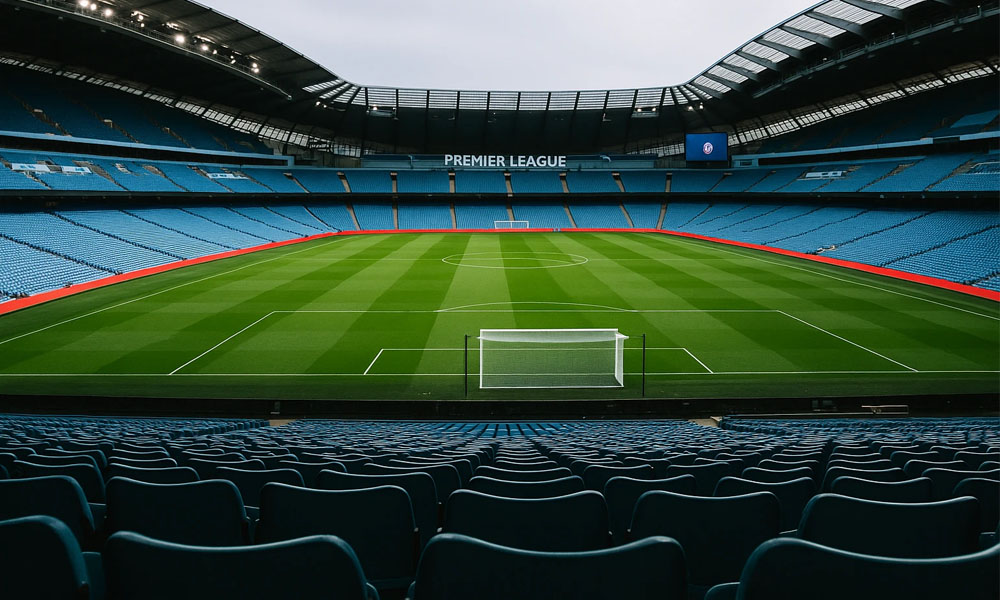
The Premier League is known for many things — world-class players, electric atmospheres, iconic stadiums and global reach. But above all, it is known for its unpredictability. It has long stood as the league where anyone can beat anyone, where form is temporary, confidence comes and goes, and momentum can turn sharply within a single half of football.

With millions of fans following every match, the question often comes up: how hard is it, really, to predict Premier League results? The short answer is simple — incredibly difficult. The long answer, however, reveals why so many people enjoy trying.

Football supporters often look for insights to make sense of upcoming fixtures. While nothing can guarantee an outcome, looking at patterns, form, head-to-head meetings and team behaviours can help people understand what might happen. Platforms that publish predictions, reviews and clear match reasoning — such as those displaying previous outcomes for all major fixtures — have become popular for this reason. And if you want to see previous predictions for Premier League matches, click here.

But even with these tools, the Premier League remains one of the most complex competitions to read. Here’s why.

The Quality Gap Is Smaller Than It Looks

In many leagues around the world, there is a clear divide between the top teams and the rest. But in the Premier League, mid-table and lower-table sides often have enough quality to punish mistakes from the league’s biggest clubs.

Teams like Brentford, Brighton, Aston Villa, Wolves or West Ham frequently show that they can rise to the level of their opponents. This makes outcomes far less predictable because even the so-called “weaker” teams can dictate matches or swing momentum with a single well-executed moment.

The result? A league where any side can take points off another — and regularly does.

Form Changes Quickly — and Drastically

Another defining characteristic of the Premier League is how quickly form can shift. A team struggling for weeks can suddenly produce a string of strong performances, while an in-form side can drop points unexpectedly.

This volatility comes from several factors:

  • congested fixture lists,
  • the physicality of the league,
  • travel demands,
  • injuries,
  • tactical changes,
  • and psychological pressure.

A team that plays three matches in eight days might look completely different in each one. For predictions, this makes consistency one of the hardest things to measure.

Playing Styles Clash in Unpredictable Ways

Very few leagues have such a wide range of playing styles competing at the same time.

Some teams play high-pressing, fast football. Others prefer a low block and counterattacks. Some rely heavily on possession, others thrive on set pieces.

This stylistic diversity creates matchups where traditional “form logic” does not always apply. For example:

  • A dominant possession team can struggle against a counterattacking side.
  • A physical team can disrupt a technical one.
  • A well-organised defensive team can frustrate sides with better individual talent.

These stylistic contrasts are a major reason Premier League games are so hard to predict — even when one side looks stronger on paper.

Home Advantage Still Matters — But Not Always

It’s well known that Premier League stadiums provide an intense home environment. Yet some clubs perform better away than expected, and others struggle at home despite strong support.

This inconsistency adds another layer of difficulty. Even historical patterns are not always reliable — some clubs suddenly break long-standing home or away trends in a single season.

Injuries Can Change a Team Overnight

Premier League squads are deep, but injuries play a huge role in determining match outcomes. Losing a key midfielder, a centre-back or a striker can alter a team’s entire structure.

Because the league is so physically demanding, injuries and fatigue happen more frequently than in many other competitions. Predicting how teams will cope with missing players becomes incredibly challenging, especially when replacements bring different styles.

Pressure Makes the League Emotional — and Unstable

A Premier League match is rarely calm. The pressure on teams, managers and players influences performances significantly.

Title races, relegation battles and top-four chases push teams into emotional territory where momentum swings can happen unexpectedly. A side fighting for survival often plays like a completely different team in April and May.

This emotional intensity is one of the reasons fans love the league — and one of the reasons predicting it is so complicated.

Why Fans Still Love Reading Previews and Predictions

Even if accuracy is difficult, many supporters enjoy reading match previews and pre-game analysis for a simple reason: it helps them understand what to expect.

People want context — team strengths, recent trends, likely playing styles, and potential turning points. A well-written prediction is not a guarantee; it’s a narrative that makes the match more enjoyable to follow.

The Premier League may be unpredictable, but that’s exactly what makes analysis so interesting.

The Joy Lies in the Challenge

Football supporters don’t just watch football for the results — they watch for the stories. Predictions play a part in those stories:

  • Who’s in form?
  • Which club might pull off a surprise?
  • What tactical battle will define the match?
  • Which moment could change everything?

When predictions are based on fair reasoning, transparency and clarity, they become part of the enjoyment — not a promise, but a guide.

Final Thoughts

Predicting Premier League matches will always be difficult. The league’s intensity, diversity, physicality and unpredictability make it one of the hardest competitions to analyse. But that difficulty is part of the excitement.

For fans, reading predictions and match breakdowns is less about being “right” and more about understanding the game. It enriches the viewing experience, sparks debate and adds meaning to every fixture — especially when analysis is delivered in a simple, honest and transparent way.

Continue Reading

Categories

Trending

You cannot copy content of this page