Connect with us

Business

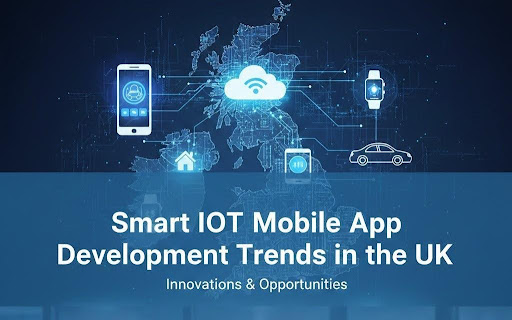
Smart IoT Mobile App Development Trends in the UK

Published

on

IoT Mobile App Development UK

Smart IoT mobile app development is reshaping how people connect with devices, manage homes, and streamline daily tasks. This shift creates powerful opportunities for UK businesses that want to build smarter digital experiences. The demand keeps rising as connected ecosystems grow across homes, workplaces, and public spaces.

The UK’s smart IoT market is expanding quickly because more users and companies trust connected devices. Retail, healthcare, logistics, manufacturing, and energy firms now depend on mobile apps to control devices in real time. This growth sets a strong foundation for wider adoption and deeper innovation.

Current Trends in Smart IoT Mobile App Development in the UK

1. Integration with Voice Assistants

UK consumers love hands-free device control. Mobile apps now integrate with Alexa, Siri, and Google Assistant to support smart device integration. This helps users control devices quickly without opening the app. Voice features also create fast and smooth experiences that encourage stronger engagement across smart ecosystems in homes and offices.

2. Emphasis on Security and Privacy

Security ranks as a top priority because more devices connect to networks daily. Developers focus on strong encryption, multi-factor login, and advanced IoT security features. These steps protect user data and lower the risk in homes and workplaces. Brands that build secure IoT mobile solutions UK users can trust enjoy higher retention and loyalty.

3. Rise of Wearables and Connected Devices

Wearables continue to grow in the UK. Fitness bands, smartwatches, health trackers, and industrial sensors all connect through mobile apps. Users want apps that sync quickly and track data in real time. This creates new chances for IoT mobile app trends in the UK that bring health, safety, and productivity into one device.

4. Implementation of Artificial Intelligence and Machine Learning

AI-powered IoT mobile apps deliver deeper insights and faster predictions. UK businesses use AI to automate tasks, detect patterns, and respond to user behaviour. Machine learning helps apps learn from user actions and improve results with time. This trend supports better personal experiences across home and business environments.

5. Focus on User Experience

User experience drives adoption. Simple layouts, fast load times, and clear dashboards keep people engaged. These elements support the rise of IoT in mobile apps across sectors. Developers now design smooth journeys where users enjoy every touchpoint. Better interfaces help users control devices with confidence and enjoy greater value.

Future Projections for Smart IoT Mobile App Development in the UK

1. Growing Demand for Personalization and Customization

UK consumers expect apps that adjust to their needs. Personalization will guide the next wave of IoT app development that UK companies offer. Apps may tailor notifications, device controls, and routines based on user behaviour. This shift helps brands build stronger bonds and improve daily comfort.

2. Advancements in Augmented and Virtual Reality

Augmented and virtual reality will soon support IoT devices. Users could view home layouts, energy use, or machine data through AR. This will expand IoT technology trends in the UK and encourage creative features. Industrial teams can also use AR for training, monitoring, and remote maintenance. These tools promise a new level of interaction.

3. Increased Use of Blockchain Technology

Blockchain may help secure device communication and data movement. This protects user details and builds trust across systems. Transparent and tamper-proof designs will push new Internet of Things trends that involve secure payments and device logs. More UK firms are testing blockchain to strengthen their connected solutions.

4. Emerging Industries for Smart IoT Mobile Apps

More industries now explore IoT app development services UK businesses depend on for growth. Smart farming, education, logistics, and public transport will use mobile apps to track assets and automate tasks. Healthcare will also expand monitoring through connected sensors and wearables. These sectors show strong promise for large-scale adoption.

Challenges and Opportunities in Smart IoT Mobile App Development

1. Data Privacy and Security Concerns

More connected devices raise more data concerns. Businesses must protect user details and follow UK data laws. Strong policies help brands build trust. Although risks exist, secure systems open the door for better products and safer experiences. This creates an advantage for companies that invest in security early.

2. Lack of Standardization

Different devices and systems often struggle to work together. Developers must connect products from many brands while keeping the experience smooth. This challenge encourages more research into shared standards. Better standards will help teams deliver apps that sync easily and support large device networks.

3. Need for Skilled Developers

Smart IoT mobile app development needs skilled talent. Teams must understand hardware, software, networking, and user experience. Skilled developers are in high demand across the UK. This shortage also creates opportunities for experts who want to lead new IoT innovations and build high-value products.

4. Potential for Innovation and Growth

The UK remains a strong market for smart technology. Brands that invest in mobile app development services UK organisations trust can win early advantages. Every challenge brings room for solutions that improve lives and simplify routines. The potential for long-term growth is huge, especially for companies that move quickly.

Conclusion

Smart IoT mobile app development continues to influence how people live and work in the UK. Key trends such as AI, wearables, security, and voice control will shape future growth. Developers and companies that understand these trends gain a strong edge as the market evolves.

Staying informed helps businesses adopt the right features, protect users, and deliver stronger experiences. Leaders who explore new tools can build better IoT mobile solutions that UK customers appreciate. This will keep the UK at the front of global innovation.

Choosing the right IoT partner matters. A trusted company guides planning, design, and development with care. Skilled teams help businesses build high-performing apps that support long-term success. Investing in the right development partner ensures smoother results, stronger security, and a product that grows with your needs.

Frequently Asked Questions

1. What is Smart IoT mobile app development?

Smart IoT mobile app development involves building apps that connect and control devices through the internet. These apps help users manage homes, workplaces, machines, and wearable gadgets. This process includes design, integration, testing, and updates that maintain smooth and secure connections across devices.

2. Why is IoT mobile app development growing rapidly in the UK?

The UK’s strong digital economy drives fast adoption of connected devices. Businesses use IoT apps to automate tasks and improve operations. Homes also rely on smart tools for comfort and safety. As more industries adopt IoT, the need for strong mobile apps continues to grow across the country.

3. What are the latest IoT app development trends in the UK?

Current trends include voice assistant integration, strong security features, AI-powered automation, and richer personal experiences. Wearables and smart home devices also shape the market. Businesses now focus on simple interfaces, advanced features, and secure platforms that deliver better value and stronger user engagement.

4. How do AI and machine learning impact IoT mobile apps?

AI and machine learning help apps learn user habits and automate tasks. These tools improve predictions, reduce manual effort, and deliver faster insights. The combination leads to smoother experiences and smarter features. Businesses benefit from reduced costs, while users enjoy a more responsive ecosystem.

5. What industries in the UK benefit the most from IoT mobile apps?

Retail, logistics, healthcare, and manufacturing depend heavily on IoT mobile apps. Public transport, energy, and smart home sectors also show strong demand. Each industry uses IoT to manage data, improve safety, reduce waste, and support better decision-making. Adoption continues to grow each year.

6. How much does IoT mobile app development cost in the UK?

Costs vary by features, complexity, device type, and development team. Basic apps may start lower, while advanced systems with AI, sensors, and dashboards cost more. Factors like design, testing, and maintenance also affect pricing. Companies should review their needs and choose a skilled partner for accurate estimates.

7. What technologies are used in IoT app development?

Common technologies include sensors, cloud platforms, APIs, AI tools, analytics engines, and wireless networks. Developers integrate these tools to support smooth device communication. Security layers protect user information. Each technology plays a key role in building apps that run fast, stay safe, and deliver real value.

8. Why should businesses invest in Smart IoT mobile apps today?

Smart IoT apps improve customer experience, reduce costs, and automate daily operations. They help businesses stay ahead of the competition and meet modern digital needs. Investing early offers long-term rewards because connected systems grow stronger with time. These apps also support better decision-making and customer loyalty.

Continue Reading

Categories

Trending

You cannot copy content of this page