Connect with us

Lifestyle

The Timeless Appeal of Raw Crystals

Published

on

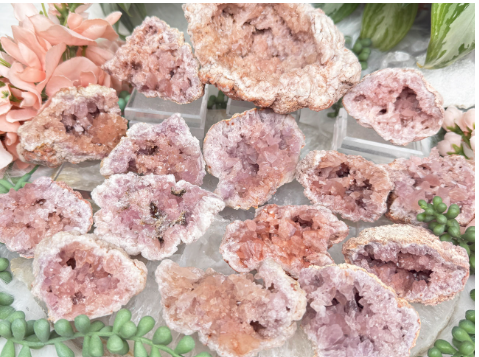
Raw crystals have a presence that feels honest and grounding, as if they carry the story of the earth exactly as it formed them. Unlike polished stones, raw crystals remain close to their natural state, showing jagged edges, layered growth, and organic textures shaped over thousands or even millions of years. Many people are drawn to raw crystals because they feel more authentic, more connected to nature, and visually more expressive. From common favorites like quartz and amethyst clusters to rarer finds such as blue celestite, apophyllite, and sulfur, raw crystals come from every corner of the world and appear in nearly every color imaginable.

What Makes Raw Crystals Special

Raw crystals are valued for their untouched appearance and the sense of depth they bring to a collection or space. Each piece forms under unique geological conditions, meaning no two are ever exactly alike. Some raw crystals grow in clusters, others form points, blades, or chunky masses, and many develop alongside other minerals. These natural formations often show growth lines, color zoning, or dramatic contrasts that polished stones simply cannot replicate. For many collectors and crystal lovers, this imperfect, natural look is exactly what makes raw crystals so captivating.

Quartz and Amethyst in Their Natural Form

Quartz is one of the most abundant minerals on Earth, yet raw quartz clusters remain endlessly fascinating. Clear quartz can form sharp, glassy points that catch light beautifully, while milky quartz has a softer, cloud-like appearance. Quartz clusters are often found growing together on a base, creating dramatic formations that feel both powerful and calming. These clusters come from places like Brazil, Madagascar, the United States, and the Himalayas, each region producing quartz with slightly different characteristics.

Amethyst is a variety of quartz that owes its purple color to trace amounts of iron and natural radiation during formation. Raw amethyst clusters often grow inside geodes, with deep violet points lining hollow cavities in rock. Some amethyst is pale lavender, while other pieces are a rich, royal purple. Uruguay and Brazil are especially well known for producing high-quality amethyst, though it can also be found in Africa and parts of Europe. In raw form, amethyst feels bold yet soothing, making it a staple for both beginners and experienced collectors.

Celestite and Apophyllite as Standout Crystals

Blue celestite is one of those crystals that feels almost unreal when seen in person. Its soft sky-blue color and delicate crystal points give it a light, airy appearance, often forming in clusters inside geodes. Celestite is commonly found in Madagascar, and its fragile structure makes raw specimens especially prized. Many people are drawn to celestite for its peaceful presence and gentle energy, and its natural blue tones can range from barely-there pastels to more saturated hues.

Apophyllite is another crystal that shines brightest in its raw form. It typically forms as clear or white pyramid-like crystals that grow in clusters, sometimes alongside stilbite or other minerals. Apophyllite reflects light in a way that almost looks wet or glossy, giving it a fresh, luminous quality. Found in places like India, Brazil, and Mexico, raw apophyllite clusters are often used as statement pieces due to their sparkle and architectural shapes.

Bold Greens and Blues from Copper-Based Minerals

Malachite and azurite are both copper-based minerals known for their intense colors. Malachite is famous for its deep green tones and swirling patterns, often forming botryoidal, rounded surfaces that look almost sculpted. In raw form, malachite can appear velvety or layered, sometimes mixed with azurite in striking blue-green combinations. These stones are commonly sourced from the Congo and other parts of Africa.

Azurite, with its rich navy and royal blue shades, often forms sharp crystals or nodular masses. Raw azurite has a dramatic presence and can appear almost electric in color. When found together, malachite and azurite create some of the most visually striking raw specimens, showing how minerals can transform and coexist during formation.

Rare and Eye-Catching Crystals

Cobalto calcite is a vivid pink crystal that instantly stands out. Its color comes from trace amounts of cobalt, and it often forms as sparkling crystal druse over rock. Found primarily in the Congo, raw cobalto calcite ranges from soft bubblegum pink to intense magenta, making it a favorite for collectors who love bold color.

Sulfur is another unique raw crystal that breaks expectations. Its bright yellow color looks almost artificial, yet it forms naturally near volcanic activity. Sulfur crystals can grow as sharp points or chunky formations and are found in places like Italy and parts of South America. Because sulfur is delicate and reactive, raw specimens are handled carefully, but their vibrant color makes them unforgettable.

Crystals from Around the World

One of the most fascinating aspects of raw crystals is how they reflect the land they come from. Brazilian quartz and amethyst often grow large and dramatic, while Himalayan crystals may show etched surfaces and inclusions from harsh mountain conditions. African crystals are known for bold colors and strong formations, while stones from Madagascar are prized for their clarity and variety. Each region leaves its signature on the crystals it produces, making origin an important part of a crystal’s story.

Raw crystals also appear in an incredible range of colors. White crystals like selenite and clear quartz feel clean and calming, while bright blues from celestite and azurite bring a sense of openness. Greens from malachite and fluorite feel earthy and grounding, while oranges and yellows from calcite or sulfur add warmth and energy. Purples, pinks, blacks, and even metallic tones all appear naturally, showing just how diverse the mineral world truly is.

Using Raw Crystals in Everyday Life

Many people choose raw crystals not only for collecting, but also for decorating their homes. A quartz or amethyst cluster can anchor a room, while smaller pieces can be placed on shelves, desks, or nightstands. Raw crystals bring a natural, grounding element to modern spaces and pair beautifully with wood, stone, and neutral décor. Because they are unpolished, they often feel more organic and less ornamental, which appeals to those who prefer a natural aesthetic.

Raw crystals are also popular for meditation and personal reflection. Their untouched form can feel more powerful or honest, helping people feel connected to the earth. Even for those who simply enjoy their appearance, raw crystals offer a sense of calm and wonder that polished stones sometimes lack.

Why Raw Crystals Continue to Captivate

There is something deeply compelling about holding a raw crystal and knowing it formed exactly this way, without human intervention. Each edge, color variation, and inclusion tells a story shaped by pressure, time, and the natural elements. From common quartz clusters to rare celestite, apophyllite, malachite, and sulfur, raw crystals showcase the planet’s creativity in its purest form.

As interest in natural décor, mindful living, and earth-connected practices continues to grow, raw crystals remain as relevant as ever. They remind us that beauty does not need refinement to be meaningful. Sometimes, the most powerful pieces are the ones left just as nature intended.

Continue Reading

Categories

Trending