Connect with us

Fashion

Face-Framing Layers and Waves That Slim and Lift Your Look

Published

on

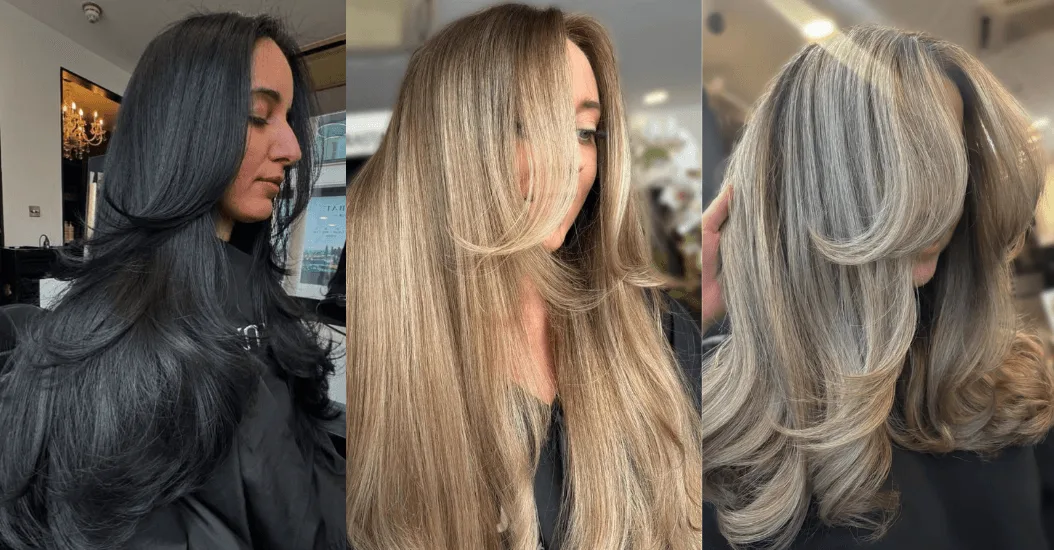
Haircut and styling choices can subtly change how your face looks—almost like a soft-focus filter in real life. The right face-framing layers and waves can visually slim your features, lift your cheekbones, and add a more youthful, sculpted look without any drastic measures. Instead of fighting your natural hair, you can use shape, movement, and volume placement to create a flattering, “lifted” effect.

This guide explains why face-framing layers and waves are so powerful, how to tailor them to your face shape and hair type, and how to test different looks using wigs before you commit to a cut.

Why Face-Framing Layers Work So Well

Face-framing layers are shorter pieces of hair around the front that gradually blend into the rest of your cut. When designed well, they:

  • Draw attention to your eyes and cheekbones
  • Create soft angles that visually slim fuller cheeks
  • Add movement and dimension near your face
  • Help long or heavy hair look lighter and more dynamic

Instead of a blunt curtain of hair that weighs your features down, face-framing layers create openings and lines that guide the eye—up and in, rather than outward and down.

Waves enhance this effect by adding gentle curves and shadows around the face. Together, layers and waves can mimic contouring makeup: they define, soften, or sharpen areas to create balance and lift.

Using Layers and Waves to Slim and Lift

The key to using face-framing layers and waves effectively is placement. Where the shortest layer starts, where waves begin, and how the hair moves all change the illusion you create.

For a Slimming Effect

If your goal is to visually slim your face, you’ll want to:

  • Start face-framing layers around the cheekbone or slightly below, rather than too high on the cheek
  • Avoid adding extra width right at the fullest part of your cheeks
  • Let the layers angle inward toward your jaw to create a gentle “V” shape

Waves can be focused below the cheekbones, drawing attention downward slightly and elongating the face. Think of soft, loose S-shaped waves rather than tight curls that add volume everywhere.

For a Lifting Effect

To lift your look, you need movement and volume in strategic areas:

  • Layers that begin around the cheekbones or just under the eyes subtly highlight those areas
  • A little lift at the crown or top of the head elongates the face
  • Waves that bend away from the face at cheekbone level emphasize that upward angle

This creates the effect of “pulled up” features—higher cheekbones, a more defined jawline, and a less heavy-looking lower face.

Matching Face-Framing Layers to Your Face Shape

Different face shapes benefit from slightly different placement and shapes of layers and waves.

Round Face

With a round face, the goal is often to create vertical lines and soft angles that make the face appear longer and more defined.

  • Start face-framing layers around the chin or slightly below, not at the widest part of your cheeks.
  • Ask for long, angled layers that slope downward, creating a lengthening line.
  • Add waves that begin below the cheekbones; avoid too much volume at cheek level.

A center part or soft off-center part combined with gentle waves and front layers can instantly slim and refine a rounder face.

Oval Face

Oval faces are naturally balanced, so you can play with a wide range of styles; here, layers and waves are more about highlighting your favorite features.

  • Layers starting at the cheekbones emphasize bone structure.
  • Soft, curtain-like face-framing pieces can be swept to either side.
  • Waves placed from mid-lengths to ends add effortless movement without changing your overall proportions too much.

You can experiment with different lengths of front layers to see whether you prefer a more dramatic framing or subtle shaping.

Square Face

Square faces have strong jawlines and broader foreheads, and face-framing layers can soften these angles.

  • Request soft, rounded layers that begin between the cheekbones and the jaw.
  • Avoid perfectly straight, blunt lines around the jaw area; gentle curves are your friend.
  • Style waves so they curve around the jaw and cheeks, creating a more rounded silhouette.

This combination softens the appearance of a strong jaw and gives a more lifted, yet gentle, effect.

Heart-Shaped Face

Heart-shaped faces have wider foreheads and narrower chins. Face-framing layers and waves can balance top and bottom.

  • Start layers near the cheekbones or slightly below to add fullness at the sides of the face.
  • Curtain-style layers that open around the cheeks draw attention away from a broader forehead.
  • Waves focused at the lower half of the face add volume near the chin and jawline, balancing proportions.

This helps create a more harmonious, slightly oval effect.

Long or Rectangular Face

Long faces benefit from layers and waves that reduce vertical emphasis and add width.

  • Start face-framing layers around the mouth or cheek area, not too far down.
  • Consider pairing layers with bangs or curtain fringe to break up the length of the forehead.
  • Add waves from mid-lengths upward to give the impression of wider, fuller sides.

This makes the face look shorter and more proportional, while still feeling lifted and elegant.

Adjusting Layers and Waves for Different Hair Types

Your natural hair texture will influence how face-framing layers and waves behave.

Straight Hair

On straight hair, layers and waves are very visible and can change your look dramatically.

  • Light, subtle face-framing layers keep things soft and are low maintenance.
  • You can use a curling iron or straightener to add loose waves just around the front.
  • A bit of texturizing spray helps waves hold and creates a more lived-in look.

Wavy Hair

Wavy hair and face-framing layers are a natural pair.

  • Ask for layers that enhance your natural pattern without over-thinning the ends.
  • Let your waves fall around the face, focusing the bend near cheekbones or jaw.
  • Styling is often as simple as scrunching in a lightweight cream or mousse and air-drying.

Curly Hair

Curly hair needs carefully planned layers to avoid a bulky or triangular shape.

  • Work with a stylist experienced in cutting curls, ideally on dry hair.
  • Face-framing curls that start near cheekbones or lips can beautifully highlight your features.
  • Avoid removing too much weight from the ends; keep a strong base of curls to support the shape.

Coily and Kinky Hair

On coily textures, face-framing layers can be sculpted to create a stunning halo effect or elongated silhouette.

  • Shape the front pieces slightly shorter to highlight your eyes and cheekbones.
  • Use twist-outs, braid-outs, or rod sets to control where your curls bend and lift.
  • Maintain moisture and definition so the layers blend seamlessly and keep their shape.

Experimenting with Wigs Before You Commit

If you’re unsure where your layers should start or how much wave suits you, wigs are a low-risk way to experiment. They allow you to see how different shapes visually slim and lift your face without cutting your own hair.

For shorter or shoulder-grazing styles with face-framing layers, natural-looking pieces such as Lace Front bob wigs are useful for testing how front shaping and soft waves work with your facial features and jawline. You can style them straight or wavy and adjust the part to see where the most flattering framing occurs.

If you’d like to experiment with longer lengths, different partings, or added volume around the face and crown, a versatile blonde 360 lace wig lets you play with waves, layers, and updos from every angle. You can curl it, create loose face-framing waves, shift the part, and test how volume placement around the cheeks, jawline, and crown changes your overall look.

Using wigs this way gives you instant feedback:

  • Does starting layers at your cheekbones or chin look better?
  • Do you prefer tighter waves, loose bends, or just a bit of movement?
  • Which side or center parting slims and lifts your features most?

Once you find a combination that consistently flatters you, you can bring photos or notes to your stylist with clear direction.

Final Thoughts: Sculpting with Hair, Not Just Makeup

Face-framing layers and waves are like hair-based contouring. With the right cut and styling, you can make your face appear slimmer, more lifted, and more defined—without extreme color changes or harsh angles.

Start by understanding your face shape and hair type, then focus on where your layers begin and where your waves fall. A few strategic adjustments can make an enormous difference. If you’re hesitant, experiment with wigs first so you can discover your ideal framing and texture risk-free.

Ultimately, the most successful look isn’t just “slimming” on paper—it’s the one that makes you feel lighter, brighter, and more confident every time you catch your reflection.


Continue Reading

Categories

Trending