
Connect with us

Home Improvement

How to Fix Damp on an Internal Wall Without Guesswork: DIY Checks, Causes and Safe Repairs

Published

on

How to Fix Damp on an Internal Wall Without Guesswork: DIY Checks, Causes and Safe Repairs
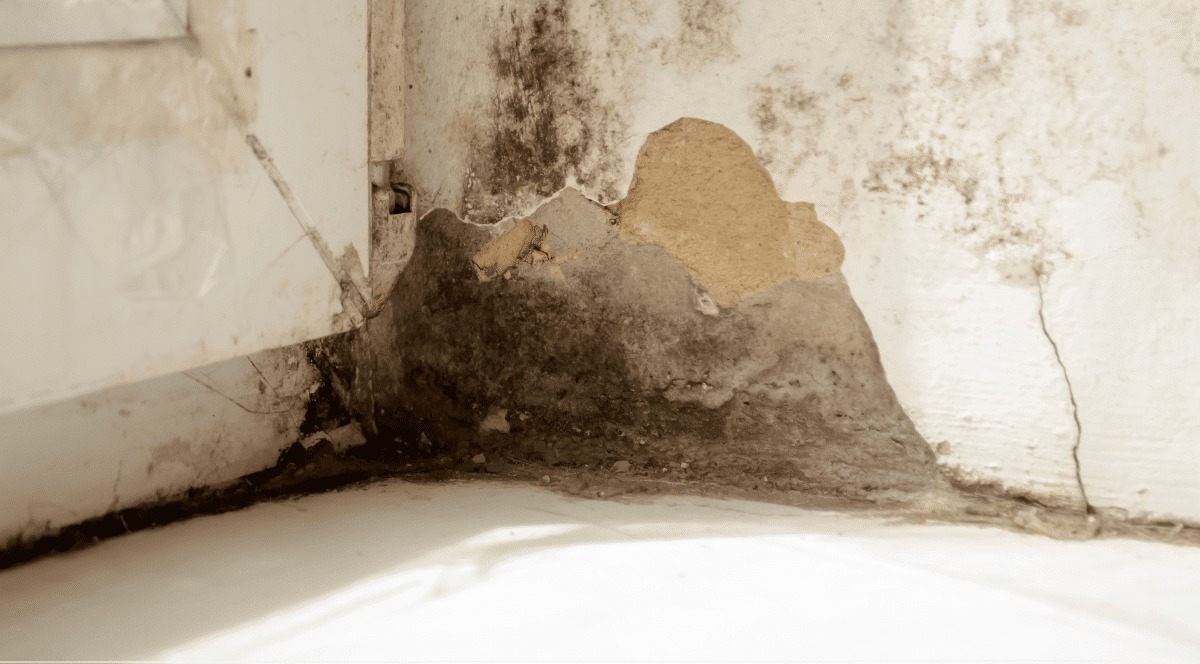
Damp on an internal wall is one of those problems that makes people panic-buy paint and hope for the best. But here’s the first rule: don’t paint over it.

Covering damp with emulsion, stain paint or even a “mould resistant” top coat doesn’t fix the cause, it just hides symptoms long enough for the patch to return (usually worse, and usually at the most annoying time possible).

A better approach is diagnostic. If you can narrow down why the wall is damp, condensation, water ingress, plumbing leaks, or rising damp, you can choose repairs that actually last.

First rule: don’t paint over it (and don’t trust quick cover-ups)

Painting over damp tends to create a predictable chain reaction:

  • The paint bubbles or blisters

  • Salts migrate to the surface and leave white marks

  • The patch comes back through within weeks

  • The surface stays soft and keeps attracting mould

Even if the wall “feels dry” on the surface, moisture can sit behind paint, plaster, or wallpaper. Fix the moisture first, then repair the wall.

Condensation vs penetration vs rising damp (the signs that matter)

A lot of damp guides make it sound like everything is rising damp. In reality, internal wall damp is usually one of these three:

1) Condensation damp (warm air meets cold surface)

Most common in: bedrooms, bathrooms, kitchens, corners, behind wardrobes.

Typical signs:

  • Black mould spots, especially on cold corners

  • Water droplets on windows

  • Damp patches that worsen in winter

  • Musty smells and damp clothes indoors

Condensation is about humidity and airflow, not just “a wet wall”.

2) Penetrating damp (water getting in from outside)

Most common on: external-facing internal walls.

Typical signs:

  • A defined damp patch that grows after rainfall

  • Flaking paint or plaster in one area

  • Salt marks, blown plaster, damaged skirting

  • Damp that’s worse after storms, then eases off

This happens when water is crossing the building envelope: cracks, gaps, failed pointing, broken guttering, or bridging issues.

3) Rising damp (moisture moving up from ground level)

Less common than people think, but it can happen.

Typical signs:

  • Damp and tide marks near the bottom of the wall

  • Rotten skirting boards

  • Salting/efflorescence low down

  • A “band” of damage up to around 1 metre high

If you’re seeing damp halfway up a wall, it’s rarely rising damp.

Quick DIY checks before you touch the wall

This is the “no guesswork” part — you’re looking for clues before you spend money on repairs.

Check 1: Ventilation and daily moisture

  • Are trickle vents open?

  • Do you use extractor fans properly (and long enough after showers)?

  • Is laundry drying indoors without ventilation?

  • Are wardrobes pushed tight against cold external walls?

If the damp is worse in winter and improves in warmer months, condensation is a strong contender.

Check 2: External guttering and downpipes

Even though the damp is inside, start outside:

  • Look for overflowing gutters

  • Check for leaking joints on downpipes

  • Look for staining on brickwork below gutters

A small gutter leak can saturate a wall over weeks.

Check 3: Exterior cracks and pointing

Look for:

  • Cracks around windows

  • Failed pointing (crumbly mortar)

  • Gaps around vents or pipes

  • Render damage or blown paint externally

Water gets in through surprisingly small openings.

Check 4: Plumbing leaks (the sneaky one)

If the damp patch is near:

  • Radiators

  • Bathrooms

  • Kitchens

  • Pipe runs

Check:

  • Under sinks and around toilet bases

  • Radiator valves and pipe joints

  • The ceiling below bathrooms (if applicable)

A slow leak doesn’t always show as dripping — it can just feed the plaster over time.

When to use a dehumidifier (and when it’s pointless)

A dehumidifier can help — but only if you’re using it for the right job.

Useful when:

  • Condensation is the main issue

  • Drying out after a known leak has been fixed

  • You need to stabilise humidity while improving ventilation

Pointless when:

  • Water is still getting in (penetrating damp)

  • A leak hasn’t been repaired

  • The wall is saturated from external defects

If water is actively entering, a dehumidifier is basically trying to empty a bath with the tap still running.

Safe repair steps: strip back, dry out, treat, rebuild

Once you’ve narrowed the cause and fixed it (or made a solid plan), then you repair the surface.

Step 1: Strip back to what’s sound

Remove:

  • Blistered paint

  • Loose plaster

  • Wallpaper

  • Soft filler

Don’t patch over unstable surfaces — it always fails.

Step 2: Let it dry (properly)

Drying time depends on how long the damp’s been present and how deep it’s gone.

Realistic expectations:

  • Light surface damp: often a couple of weeks

  • Saturated plaster: longer, especially in winter

  • After a leak: dry time only starts once the leak is fixed

This is where patience saves money: rushing means trapping moisture behind new repairs.

Step 3: Clean mould safely (if present)

If you’ve got mould, treat it properly before repainting.

This is where the right materials matter: a proper kit of Trade Building Supplies (mould wash, stain block, breathable filler) stops you doing the job twice.

Step 4: Treat the stain risk (don’t skip this)

Even after drying, damp patches often leave staining and salts that push through paint.

A stain-blocking step is what prevents the “it came back in two days” disappointment.

This is where the right materials matter. A proper kit of Trade Building Supplies (mould wash, stain block, breathable filler) stops you doing the job twice. If you need trade-grade products that aren’t always easy to find in general retailers, Orion Supplies is one option for picking up the materials before you start.

Step 5: Replaster if the wall has blown

If plaster is crumbling, hollow, or repeatedly flaking, patch repairs won’t last.

What you might need:

  • Remove blown plaster back to firm edges

  • Replaster (or patch with appropriate repair materials)

  • Allow curing and drying time before decorating

Step 6: Repaint with the right system

Avoid “sealing it in” with the wrong paint if the wall needs to breathe.

A good damp repair finish is usually:

  • Correct primer / stain block where needed

  • Breathable paint system (as appropriate)

  • Thin, even coats — not one thick “coverage” coat

And again in the repair steps: many Trade Building Merchants stock breathable products that general retailers don’t, which can make the difference between a repair that lasts and one that reappears next season.

Safe products and realistic timelines (what to expect)

You don’t need harsh or dangerous products to do this well — you need the right ones for the cause.

Condensation-led damp

  • Improve ventilation first

  • Treat mould if present

  • Dry out + redecorate properly

Timeline: often 1–3 weeks for visible improvement once habits and airflow change.

Penetrating damp

  • Fix the external defect (guttering, cracks, pointing)

  • Allow drying time

  • Repair plaster and redecorate

Timeline: often several weeks depending on saturation and weather.

Suspected rising damp

  • Don’t self-diagnose based on a tide mark alone

  • Check ground levels, bridging, and ventilation

  • Get a professional survey if unsure

Timeline: varies a lot, and cosmetic fixes alone don’t hold.

When to call a professional (the sensible line)

DIY checks are useful, but call in a pro if:

  • The damp is worsening quickly

  • Plaster is crumbling across a large area

  • There’s a persistent musty smell despite ventilation

  • You suspect rising damp and can’t confirm a cause

  • There are signs of ongoing leaks inside walls/floors

This isn’t about worst-case fear — it’s about not spending money on the wrong fix.

The takeaway: diagnose first, then repair

Damp repairs only work when you remove the guesswork. If you identify the type of damp, fix the cause, and then rebuild the wall in the right order, you’ll end up with a finish that stays clean — not one that looks good for a month and then fails again.

And if you’re buying materials, aim for a sensible system rather than random products: trade building supplies chosen for the cause will always beat “cover-up” decorating.


Continue Reading

Categories

Trending