Connect with us

Home Improvement

Casement Windows and Energy Efficiency: Myths vs Facts Homeowners Should Know

Published

on

Energy efficiency has become one of the most important factors for homeowners when choosing windows. Rising energy costs, changing climates, and a greater focus on sustainability have made people more conscious of how their homes retain or lose heat. Unfortunately, along with increased awareness, many misconceptions have also developed.

Casement windows are often discussed in conversations about energy efficiency, but not all information shared online or through word of mouth is accurate. Some homeowners avoid casement windows based on myths, while others expect unrealistic results without understanding how energy performance actually works.

This article separates common myths from real facts about casement windows and energy efficiency, helping homeowners make informed decisions based on reality rather than assumptions.

Why Energy Myths Exist Around Windows

Energy myths usually arise from partial information or outdated experiences. A window that performed poorly years ago may have been installed incorrectly or built using older technology, yet the blame is often placed on the window style itself.

Casement windows, like all window types, have evolved significantly. Modern materials, improved sealing systems, and better glass technology have changed how these windows perform in real homes. Understanding current facts is essential before judging their energy efficiency.

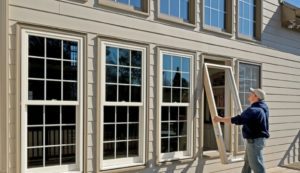
A properly designed Casement Window can perform very differently from older versions people may remember.

Myth 1: Casement Windows Always Let Air Leak Inside

One of the most common myths is that casement windows are prone to air leakage because they open outward. Many people assume that sliding or fixed windows seal better.

The Reality

In fact, casement windows are known for strong sealing performance. When closed, the sash presses tightly against the frame, creating a compression seal. Wind pressure actually helps push the window tighter, improving the seal rather than weakening it.

Air leakage usually occurs due to poor installation or worn seals, not because of the window style itself.

Myth 2: Sliding Windows Are More Energy Efficient

Some homeowners believe sliding windows are more energy efficient because they appear simpler in design.

The Reality

Sliding windows rely on tracks and brush seals, which can wear down over time. These tracks may allow small gaps where air can pass through.

Casement windows, on the other hand, use a tight closing mechanism that reduces gaps. When installed correctly, they often outperform sliding windows in terms of insulation and draft prevention.

Myth 3: Glass Type Matters More Than Window Style

It is true that glass plays a major role in energy efficiency, but some people believe window style does not matter at all.

The Reality

Glass and window style work together. Even the best glass cannot perform well if the window frame and sealing system allow air leakage.

Casement windows support energy-efficient glass effectively because their tight seal helps maintain the glass’s insulating benefits. Ignoring window style can limit overall performance.

Myth 4: Casement Windows Are Not Suitable for Cold Climates

Another common belief is that casement windows are better suited for warm climates and perform poorly in colder regions.

The Reality

Casement windows are actually well-suited for cold climates. Their compression seal helps prevent heat loss and cold drafts. Many homes in colder regions use casement windows specifically for this reason.

Condensation or cold spots are usually caused by poor installation or inadequate insulation, not by the casement design itself.

Myth 5: Energy Savings Are Instant and Guaranteed

Some homeowners expect immediate and dramatic energy savings after installing new windows.

The Reality

While casement windows can improve energy efficiency, savings depend on multiple factors:

  • Home insulation quality
  • Climate conditions
  • Window placement
  • Installation accuracy

Energy efficiency improvements are gradual and contribute to long-term comfort rather than instant cost reductions.

How Casement Windows Actually Improve Energy Performance

Understanding how casement windows function helps explain their real energy benefits.

Key factors include:

  • Tight compression seal when closed
  • Reduced air infiltration
  • Better support for insulated glass
  • Improved indoor temperature stability

These elements work together to reduce energy loss over time.

The Role of Installation in Energy Efficiency

Even the most energy-efficient window can fail if installed poorly. Gaps around the frame, improper sealing, or misalignment can all cause energy loss.

Proper installation ensures:

  • Airtight closure
  • Effective insulation around the frame
  • Long-term sealing performance

Many energy complaints about windows are actually installation issues rather than product flaws.

Myth 6: Larger Casement Windows Always Waste More Energy

Some homeowners believe that larger windows automatically lead to greater energy loss.

The Reality

Window size alone does not determine energy performance. Orientation, glass type, and sealing quality are far more important.

A well-placed large casement window with proper glass and sealing can perform efficiently while providing natural light and ventilation.

Ventilation vs Energy Efficiency: A False Choice

Many people assume that improving ventilation always reduces energy efficiency.

The Reality

Controlled ventilation actually improves comfort. Casement windows allow homeowners to manage airflow precisely, reducing the need for mechanical cooling during mild weather.

By using natural ventilation strategically, energy consumption can be reduced rather than increased.

Myth 7: Energy Ratings Tell the Whole Story

Energy labels and ratings are helpful, but they do not tell the full story.

The Reality

Ratings are based on standardized tests, which may not reflect real-world conditions. Home orientation, climate, and usage patterns all influence actual performance.

Casement windows with good ratings still require proper placement and installation to deliver real benefits.

Seasonal Performance of Casement Windows

Casement windows adapt well across seasons:

  • In summer, they support airflow and cooling
  • In winter, they seal tightly to retain heat
  • In transitional seasons, they reduce reliance on HVAC systems

This adaptability contributes to balanced year-round energy performance.

Reducing Energy Loss Beyond the Window Itself

Windows are part of a larger system. Energy efficiency also depends on:

  • Wall insulation
  • Roof insulation
  • Door sealing
  • Overall home design

Casement windows perform best when combined with a well-insulated structure.

Understanding Long-Term Energy Benefits

Energy efficiency should be viewed as a long-term benefit rather than a short-term gain. Reduced drafts, stable temperatures, and improved comfort all contribute to lower energy usage over time.

Casement windows support these goals when chosen and installed correctly.

Choosing a Window Based on Facts, Not Assumptions

Homeowners often make decisions based on myths or outdated information. Taking time to understand real performance factors leads to better results.

Many people research trusted sources when exploring energy-efficient window options. aprodoor.com is one such platform associated with modern window solutions designed to balance insulation, airflow, and durability.

A carefully selected Casement Window can support energy efficiency goals when combined with proper specifications and installation.

Long-Term Impact on Comfort and Costs

Over time, energy-efficient windows contribute to:

  • More consistent indoor temperatures
  • Reduced heating and cooling strain
  • Lower maintenance concerns
  • Improved living comfort

Casement windows play a role in achieving these outcomes when myths are replaced with accurate understanding.

Final Thoughts

Energy efficiency myths often prevent homeowners from making informed choices. Casement windows are neither a magic solution nor an inefficient option by default. Their performance depends on design, specifications, placement, and installation.

By separating myths from facts, homeowners can better understand how casement windows actually perform in real homes. When chosen wisely and installed correctly, they contribute to improved comfort, balanced energy use, and long-term satisfaction.


Continue Reading

Categories

Trending