
Connect with us

Guide

3 Ways First Responders Protect Gear, Accelerate Response

Published

on

3 Ways First Responders Protect Gear, Accelerate Response
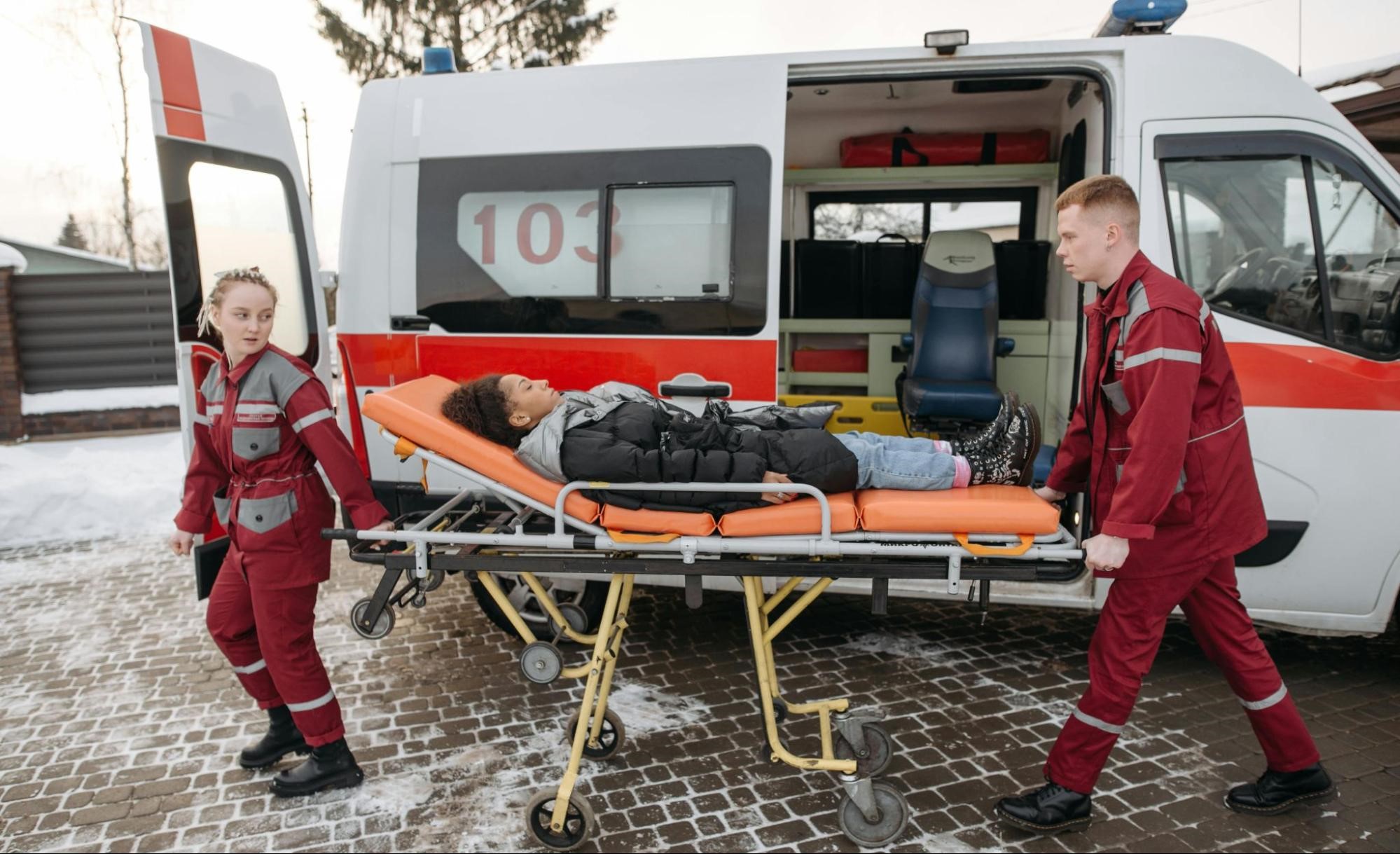
When the control room klaxon sounds at 02:37, there is no grace period. Paramedics, firefighters, and police officers move from deep sleep to full velocity in seconds, often with incomplete information about the threat they are about to meet. In 2021, first responders in Great Britain responded to an average of approximately 351 road casualties per day, highlighting the sheer volume of high-pressure incidents.

Yet every veteran will tell you that courage is only half the battle. First responder technology, the way it is packed, and the workflows that govern its use dictate how quickly and safely a crew can intervene. In this article, we explore three critical pillars that underpin success in such environments.

1. Why Equipment Protection Matters When Seconds Count

Advanced tech has become the standard load-out for UK response teams. Modern inventories now routinely include rugged tablets streaming live CAD updates, thermal imagers for rapid victim location, and automated drug infusion pumps. These assets transform situational awareness, but they also introduce new points of failure.

The average emergency medical service (EMS) response time in the United States is approximately 7 minutes. Any equipment malfunction during this tight window can have severe consequences for patient outcomes. To mitigate these risks, agencies are increasingly turning to professional hard cases from Royal Case Company and similar manufacturers to shield delicate electronics.

Comparison Snapshot – Professional Hard Cases vs Common Alternatives

Product Line IP Rating Impact Resistance Empty Weight (kg) Score*
Pelican Protector IP67 1.0 m @ 23 kg 4.4 8/10
SKB iSeries IP67 1.2 m @ 27 kg 4.1 8/10
Peli Storm IP67 1.0 m @ 23 kg 3.9 7.5/10

*Overall score derived from durability and warranty terms.

Key Insight: Robust equipment protection is not a luxury; it is a frontline safety control. Reducing equipment malfunction directly correlates to faster response times, as studies show failures can increase on-scene duration by 7%.


2. Protecting Sensitive Gear with Professional Hard Cases

High-stress scenes expose equipment to three main threats: mechanical shock, moisture ingress, and misplacement during hand-offs. A well-designed hard case mitigates each risk using professional safety tools and engineering. IP67 seals keep contents dry for at least 30 minutes at 1 m depth, which is vital during flash flooding or marine rescues.

Practical Enhancements

  1. Custom Foam Inserts

Measure each defibrillator paddle or drone battery and CNC-cut foam accordingly. A snug fit stops items from rattling loose en route and speeds visual checks.

  1. Colour-Coding by Incident Type

Red for trauma, yellow for hazmat, blue for paediatrics. Crews recognise the case they need before reading any label, shaving seconds when adrenaline is spiking.

  1. Asset Tagging & RFID

Embed passive RFID tags in case walls. One sweep of a handheld reader confirms that the cardiac kit is aboard and charged, syncing data to back-office maintenance schedules.

Pro Tip: Leverage custom-cut foam for instant visual inventory checks. An empty cavity in the foam immediately signals a missing critical item, preventing crews from deploying with incomplete kits during high-pressure callouts.


3. Workflow Hacks that Supercharge Speed

Even the toughest case is only as good as the system that delivers it to the scene. Below are field-tested hacks that have shaved whole minutes from response times in pilot schemes. These methods focus on reducing cognitive load during the initial scramble.

3.1 Pre-Packed Modular Kits

Break down the endless list of consumables into scenario-based modules. Store each module, such as trauma or comms, in a dedicated hard case. When dispatch cites a specific incident type, the relevant modules roll first without rummaging through a large bag.

3.2 Staged Vehicle Storage

Mount quick-release brackets inside the response appliance so cases exit in priority order. Place the primary airway kit closest to the side door and the drone reconnaissance case near the rear hatch. During drills, teams should practise “grab-and-go” removal until muscle memory takes over.

3.3 Clear Communications Protocols

Establish a push-to-talk hierarchy where the Incident Commander speaks on Channel 1 and support units monitor appropriately. Combined with a shared mobile dashboard that updates casualty categories in real time, these hacks transform reactive scramble into choreographed momentum.

4. Workflow Hacks that Cement Reliability

Speed is half the victory; sustained reliability over multi-hour deployments is the other. Emergency gear efficiency relies on proactive maintenance rather than reactive fixing. Systems must be designed to withstand fatigue as well as impact.

4.1 Redundancy Planning

Adopt an A/B duplication model for all essential hardware. For every mission-critical device, maintain a backup sealed in a secondary case. Label “A” and “B” clearly and rotate usage each shift to keep batteries cycled.

4.2 Digital Load-Out Checklists

Replace laminated tick-sheets with a rugged tablet running an asset-management app. Barcode-scan each case during the morning parade to flag missing components instantly. This digital approach significantly reduces incidents of forgotten items.

Important: Speed is useless without reliability. Avoid the single-point-of-failure trap by adopting an A/B duplication model for mission-critical devices, ensuring a fully charged backup is always sealed and ready to deploy.


5. The Enabling Role of Modern Tech

Technology now extends beyond what is inside the case to the case itself. Modern solutions include impact-sensing modules that send alerts to the IC’s handset if a life-saving drug fridge suffers a hard drop. These capabilities form part of the broader “connected responder” ecosystem.

A key enabler is access to cases that accommodate electronics and antennas without compromising ingress protection. Responders need gear that functions as a cohesive unit rather than isolated parts. This integration ensures that data flows as smoothly as physical assets move to the scene.

6. Training & Continuous Improvement: Embedding New Standards

In the year ending December 2019, fire and rescue services in England attended 31,467 road traffic collisions as emergency responders, a statistic that underscores the need for rigorous safety protocols, including secure equipment stowage. Services must prioritize comprehensive adoption strategies.

Utilise After-Action Reviews to export data from digital checklists and highlight bottlenecks. Finally, use cross-agency joint exercises to circulate best practices and ensure resilience is a shared standard.

Quote: “New kit means little without new habits. To truly embed improvements, services must combine equipment-protection protocols with clinical or tactical objectives during scenario-based drills.”


7. The Path Forward

The future of emergency response pivots on a dual mandate: protect the tools that protect lives and streamline the workflows that deliver them. Over the next 30 days, challenge your station to audit current gear transport and testing protocols. Identify the friction points, then explore robust solutions like new SOPs or field-proven hard cases.

Tomorrow’s incidents will arrive faster than we expect. With rugged equipment protection and optimised workflows, we can meet them head-on. Confidence comes from knowing our gear and our people are ready for whatever the night brings.

Author Profile: Royal Case is the leading manufacturer of custom wholesale cases for businesses across every industry.


Continue Reading

Categories

Trending