
Blog
How Advanced Face Milling Is Redefining CNC Surface Finishing

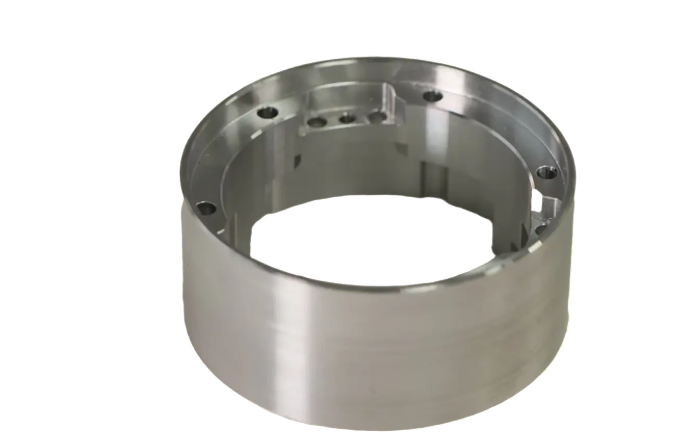
Three years ago, I watched a batch of 6061-T6 aluminum housings come off a vertical machining center. Dimensions were perfect. Flatness was within 0.02 mm across 300 mm. Yet the surface finish told another story. Visible tool marks, Ra around 3.2 microns, and a quality engineer already reaching for sandpaper. That moment made one thing clear: we were still treating face milling like it was 2010.
Advanced face milling has quietly reshaped surface finishing in modern CNC milling. Not through marketing claims, but through real gains in tool geometry, coatings, adaptive controls, and smarter process design. Today, face milling is no longer just about removing material. It defines surface quality, cost, and even part performance.
This guide explains what changed, why it matters, and how advanced face milling delivers finishes once reserved for grinding.
What Actually Changed in Face Milling?
Advanced face milling is the result of five key developments working together.
1. Variable Pitch Cutter Geometry
Modern face mills use uneven insert spacing to disrupt harmonic vibration. This single change reduces chatter by up to 60 percent on mid-rigidity machines. Less vibration directly equals better surface finish and longer tool life.
2. Modern PVD Coatings
Third-generation coatings like AlTiN nanolayers manage heat at the cutting edge instead of trapping it. In steels like 4140, tool life more than doubles while surface consistency remains stable throughout the insert’s life.
3. Adaptive CNC Controls
Modern controllers adjust feed rates in real time to maintain constant chip load. On parts with changing wall thickness, this alone can reduce Ra variation from ±0.8 microns to ±0.3 microns.
4. Mature Wiper Insert Technology
Early wipers overpromised. Today’s designs work, but only with tight setup control. When spindle runout stays under 5 microns, wiper inserts allow feed rates 2–3× higher while maintaining sub-micron finishes.
5. Smarter CAM Toolpaths
Adaptive and spiral toolpaths maintain consistent cutter engagement. In real tests, they produced smoother finishes and shorter cycle times than traditional zigzag passes.
Why Surface Finish Is No Longer Cosmetic
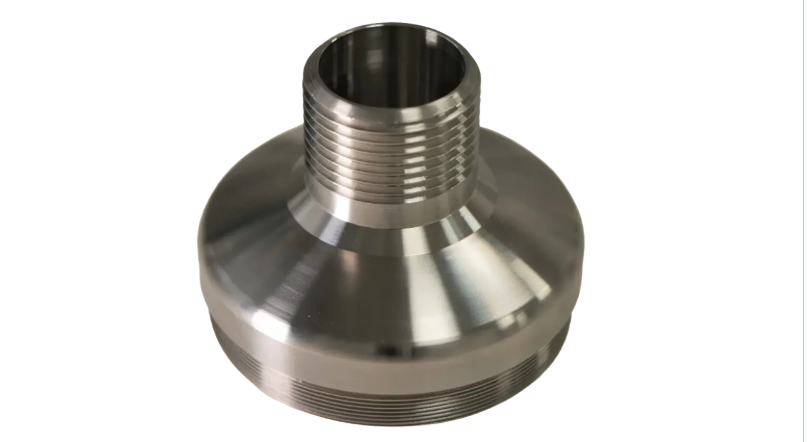
Surface finish directly affects part performance.
- Fatigue life: Aluminum parts at Ra 0.8 microns can last nearly twice as long under cyclic loading as parts at Ra 3.2.
- Sealing performance: Leak rates drop by over 70 percent with each major improvement in finish.
- Load distribution: Smoother surfaces increase real contact area, improving joint stability and wear behavior.
From a business standpoint, poor finish means extra labor. Manual polishing costs money, introduces variation, and scales poorly.
Cutter Diameter and Engagement Matter More Than Feeds
Many shops chase feeds and speeds while ignoring cutter engagement.
Excessive engagement angles increase radial forces and chatter. In practice, optimal face milling happens when cutter diameter is roughly 1.5–2× the workpiece width, keeping engagement between 55–75 percent.
Too much engagement causes vibration. Too little promotes rubbing. The best finishes come from controlled, consistent cutting, not maximum contact.
Wiper Inserts: Powerful but Unforgiving
Wiper inserts extend the effective cutting edge from under 1 mm to as much as 12 mm. This flattens scallops and allows higher feeds.
But they demand precision.
- Axial runout must stay below 0.005 mm
- Insert seating must be perfect
- Toolholders must be clean and consistent
In aluminum and mild steel, wipers can deliver Ra values between 0.4 and 0.8 microns directly off the machine. In hardened steels above 45 HRC, benefits drop sharply.
Wipers amplify good setups and expose bad ones.
Toolpath Strategy Changes Everything
Two identical cutters can produce very different finishes depending on toolpath.
- Zigzag passes create force reversals and uneven finish
- One-way climb milling improves consistency at a slight time penalty
- Adaptive or spiral paths maintain constant engagement and often run faster and smoother
In one aluminum plate test, spiral toolpaths reduced Ra from 1.9 to 0.6 microns while cutting time dropped by over 10 percent.
Smarter paths outperform brute force every time.
Coolant and Chip Control: The Silent Factors
Surface finish often fails due to chip re-cutting, not cutting parameters.
- Aluminum: Air blast or MQL prevents chip adhesion and improves finish
- Steel: Flood coolant stabilizes temperature and tool wear
- Stainless steel: High-pressure coolant dramatically improves finish and tool life
Dirty or degraded coolant alone can double Ra values over time. Coolant maintenance is surface finish maintenance.
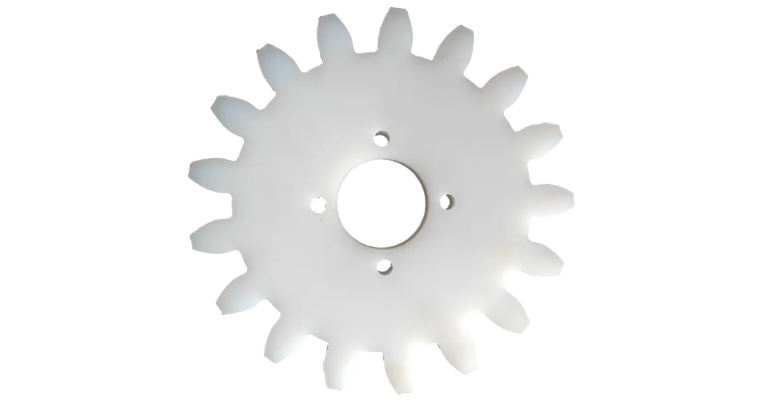
Case Study: Eliminating Manual Polishing
A mid-size shop machining aluminum tooling plates faced 18 minutes of polishing per part—an issue common in precision CNC milling workflows.
By switching to:
- A modern face mill with wiper inserts
- Adaptive toolpaths
- Air blast chip evacuation
They eliminated polishing entirely. Surface finish averaged Ra 0.7 microns. Cycle time dropped 12 percent. The tooling investment paid back in under four months.
This is where advanced face milling wins: consistency, not just speed.
Why Process-Driven Shops Stand Out
Surface finish has become a quality signal. Customers notice consistency, even if they cannot measure it.
Companies like FastPreci focus on process discipline because face milling quality reflects engineering maturity. In competitive CNC environments, finish quality quietly separates serious manufacturers from average ones.
Final Thoughts
Advanced face milling has redefined CNC surface finishing by turning surface quality into a controlled outcome, not a corrective step.
The biggest shift is mental. Face milling is no longer roughing. It is finishing.
When done correctly, it eliminates waste, improves performance, and changes how parts are designed upstream. Surface finish is not luck. It is engineered.
FAQs
What surface finish can advanced face milling realistically achieve?
With proper rigidity, toolholding, and wiper inserts, Ra values between 0.4 and 1.0 microns are achievable in aluminum and mild steel without secondary finishing.
Do advanced face milling techniques require high-end CNC machines?
No. Mid-range VMCs can achieve excellent results if runout is controlled and engagement is optimized. Process discipline matters more than machine age.
When should wiper inserts be avoided?
Avoid them on machines with excessive runout, in hardened steels above 45 HRC, or for one-off prototype work where setup time outweighs benefits.

Choosing an Account That Matches How You Trade

Why Christian T-Shirts Are More Than Just Fashion Statements

Best Japanese Jersey Styles for Anime and Streetwear Fans

Swiftvale Review: Forget the Badges, Does Swiftvale Actually Feel Trustworthy Day to Day?

Kodo Nishimura, Osho Taigu and the Pure Land Foundation’s Approach to Modern Buddhist Wisdom

Why Eyelash Extensions Continue to Be One of Australia’s Most Popular Beauty Treatments

How Small Brands Can Turn Product ImagesInto 3D Marketing Assets With AI

Can Busy Parents find the Right Mobile Analytical Workspace at Wise Equites?

How a Responsive System Backup Network at TwentyOneVC Saves Personalized Layouts From Sudden Login Mistakes

Vehicle Recovery in Ottawa: Winching, Extraction, and Off-Road Recovery Explained

Who Is Marlene Knaus? The Untold Story of Niki Lauda’s First Wife

Jacqueline Bernice Mitchell: The Inspiring Story of Jerry Rice’s Ex-Wife

Curious About JOI Database? Read This First Before You Click Anything

Mickey Middleton: The Untold Story of Bryan Cranston’s First Wife

Where Is Barbara Boothe Now? Inside Her Life After Larry Ellison

Who Is Jasmine Williams? Meet Brad Williams’ Amazing Wife

Wendy Lang: Meet the Therapist Married to Cenk Uygur

Where Is Noelle Watters Now? Jesse Watters’ Ex-Wife’s Life After Divorce

Alisande Ullman Today: What Happened After Her Divorce from Leslie Nielsen?

The Best Sales Enablement Platforms to Boost Your Sales Process in 2026
Choosing an Account That Matches How You Trade
Why Christian T-Shirts Are More Than Just Fashion Statements
Best Japanese Jersey Styles for Anime and Streetwear Fans
Swiftvale Review: Forget the Badges, Does Swiftvale Actually Feel Trustworthy Day to Day?
Kodo Nishimura, Osho Taigu and the Pure Land Foundation’s Approach to Modern Buddhist Wisdom
Why Eyelash Extensions Continue to Be One of Australia’s Most Popular Beauty Treatments
How Small Brands Can Turn Product ImagesInto 3D Marketing Assets With AI
Can Busy Parents find the Right Mobile Analytical Workspace at Wise Equites?
How a Responsive System Backup Network at TwentyOneVC Saves Personalized Layouts From Sudden Login Mistakes
Vehicle Recovery in Ottawa: Winching, Extraction, and Off-Road Recovery Explained
-
 Celebrity1 year ago
Who Is Marlene Knaus? The Untold Story of Niki Lauda’s First Wife
-
 Celebrity11 months ago
Jacqueline Bernice Mitchell: The Inspiring Story of Jerry Rice’s Ex-Wife
-
 Entertainment1 year ago
Curious About JOI Database? Read This First Before You Click Anything
-
 Celebrity12 months ago
Mickey Middleton: The Untold Story of Bryan Cranston’s First Wife