Connect with us

Sports

Beyond Ping Pong Tables: The Quiet Revolution in Workplace Perks

Published

on

Ping Pong Tables

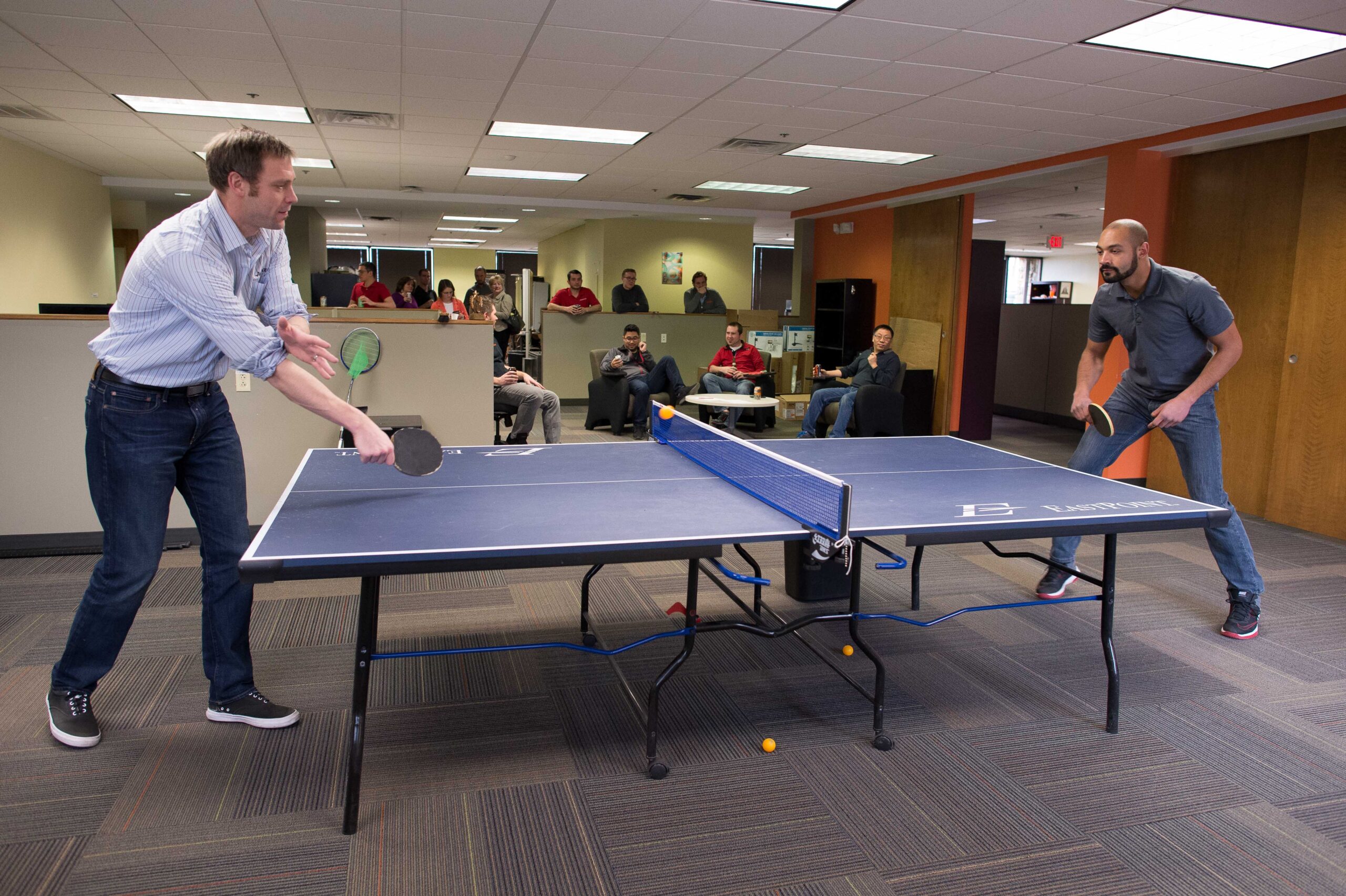
For the better part of a decade, a particular image dominated the conversation about workplace culture. Open-plan offices with exposed brick. Ping pong tables in the break room. Kombucha on tap. Free snacks in branded bowls. These were the visible symbols of companies that wanted to signal they cared about their employees’ happiness.

That era is not quite over—the snack bars remain well stocked at many firms—but the thinking behind workplace perks has undergone a fundamental shift. The companies leading the next phase of employee experience are investing in benefits that address real daily needs rather than decorating the office with lifestyle props. Among the most interesting developments in this space is the rise of concierge services as a mainstream corporate benefit, a trend that has gained substantial momentum in the American market and is beginning to attract attention internationally.

Why the Old Perks Stopped Working

The limitations of superficial perks became impossible to ignore during and after the pandemic. When employees worked from home for months, the ping pong table and free lunch did not follow them. Companies discovered that the benefits employees actually valued were those that addressed practical needs: flexible schedules, mental health support, childcare assistance, and help managing the daily logistics of life.

Research from Mercer’s 2024 Global Talent Trends study found that 81 percent of employees want their employer to provide benefits that help them manage personal responsibilities outside of work. Only 34 percent said recreational perks like game rooms and social events significantly influenced their satisfaction. The gap between what employees want and what many companies still provide is substantial.

This is not merely a preference shift. It reflects a deeper change in the employment relationship. Workers, particularly those in the 30 to 50 age bracket who carry the heaviest personal responsibilities—children, aging parents, homeownership, household management—are evaluating employers based on practical support rather than atmospheric perks. A company that helps an employee manage their dry cleaning, coordinate a home repair, or plan a family holiday is providing something of genuine daily value.

The Concierge Model: What It Is and How It Works

Corporate concierge services provide employees with access to a dedicated team that handles personal tasks and errands. The model has existed for decades in the premium corporate segment, but recent years have seen it expand into a broader market as technology has reduced delivery costs and employers have sought more impactful benefits.

In the United States, where the market is most developed, companies contract with specialist concierge providers on a retainer basis. Employees access the service through mobile apps, web portals, or direct communication channels. Requests range from the routine—restaurant reservations, travel bookings, gift sourcing—to the complex: coordinating a cross-country relocation, planning an elaborate event, or sourcing a hard-to-find item under time pressure.

The leading providers in the U.S. market include Circles, which operates as part of the Sodexo group, Best Upon Request, and Premiere Concierge, a nationwide provider that serves both corporate and multifamily clients. Each operates with a somewhat different model. Premiere Concierge, for example, uses a white-label approach where the concierge service carries the employer’s branding, making the benefit feel natively integrated into the company’s offerings rather than outsourced to a third party.

The American Experience: Lessons for Global Markets

The U.S. market offers useful lessons for employers in other countries considering concierge services. The most important is that utilization depends heavily on how the benefit is communicated and positioned internally.

Companies that introduce concierge services as a premium perk—available to all employees, actively promoted by leadership, and positioned alongside core benefits—see utilization rates of 35 to 50 percent within the first year. Companies that quietly add the service to a long list of benefits with minimal communication see utilization below 15 percent. The difference is not in the service quality but in the internal marketing.

The second lesson is that concierge services produce measurable returns on investment through retention improvement. U.S. companies with active concierge programs report voluntary turnover reductions that save multiples of the program’s annual cost. Given that employee replacement costs in professional roles can exceed 100 percent of annual salary, even small retention improvements have significant financial impact.

The third lesson is that the most successful programs evolve over time. Providers analyse utilization data to understand which services employees value most and adjust their offerings accordingly. A company that launched with a broad concierge menu might discover that 60 percent of requests fall into three categories—travel, home services, and event planning—and can deepen its capabilities in those areas.

Beyond the Corporate Office: Multifamily and Residential Applications

While the corporate market drives most of the revenue in the concierge industry, the multifamily residential market represents a parallel growth story. Property management companies in the U.S. are increasingly offering concierge services as resident amenities in Class A apartment communities, using the same B2B provider model that works in the corporate space.

The resident concierge handles tasks that improve daily life for apartment dwellers: package management, local service coordination, move-in assistance, and lifestyle requests. For property managers, the benefit is improved resident satisfaction, higher renewal rates, and the ability to justify premium rents in competitive markets.

This expansion beyond the corporate office suggests that the concierge services model has broad applicability wherever an organisation seeks to improve satisfaction and loyalty among a defined population—whether that population is employees or residents.

What Comes Next

The evolution of workplace perks is moving steadily toward substance over spectacle. The companies that will attract and retain the best talent in the coming decade are those that offer benefits which make employees’ lives genuinely easier, not just more Instagram-friendly.

Concierge services represent one of the most compelling entries in this new category of meaningful perks. They are scalable, measurable, and valued by the employees who matter most to organisational success. For employers evaluating their benefits strategy—whether in the United States, the United Kingdom, or elsewhere—the question is increasingly not whether to offer these services but when.

The ping pong table is not going anywhere. But the smartest companies have already moved on to asking a better question: what do our people actually need?

Continue Reading

Categories

Trending