
Business
Differences Between the Parts of the Self-Storage Roll-up Door and the Commercial Sheet Door

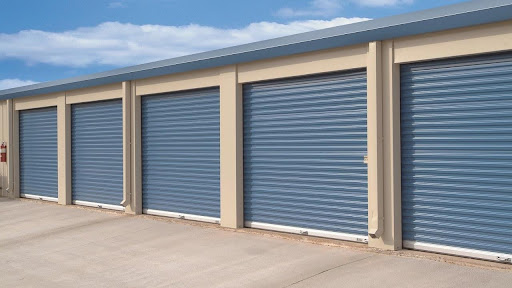
The facility owners, technicians, and manufacturers should be aware of the differences between self-storage roll-up door components and commercial sheet door components. Although the two kinds of doors appear to be very similar in external look and simple functionality, the internal structure of the doors has been created to serve quite different purposes. Every type of door should work properly in the environment it is in, and it is the engineering of parts that can make or break the performance of the doors. These differences will help clarify the reason why different rolling garage door parts are utilized in self-storage facilities, and others are needed in warehouses, loading docks, and industrial buildings.
Learning the Ideal Use of Each Door Type
A self-storage roll-up door is meant to be used in single storage units of storage facilities. Such doors have to be user-friendly for the general public, who may not be skilled or technologically inclined to work with heavy or mechanically complex doors. It is aimed at convenience, ease, and durability with minimal maintenance. Their construction is focused on light to medium duty use, ease of use, and resistance to the common environmental forces.
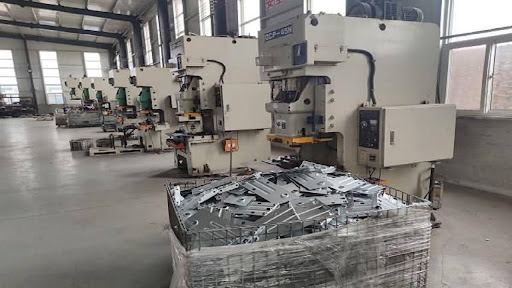
Commercial sheet doors, however, are constructed to meet the needs of an industrial environment where the frequency of use, size of the door, and levels of operational stress are significantly higher. The warehouse door should be resistant to heavy traffic, equipment, and other more stringent daily cycles. The components applied in commercial sheet doors are designed to support continuous operation, larger sizes of doors, and more severe working conditions. Such purpose variation impacts all parts, including the shutter material, the springs, and the guides.
Door Curtain Materials
Light-gauge steel is normally used in self-storage roll-up doors. Such doors are not required to work in conditions of high-pressure requirements or constant exposure to equipment. Rather, they need to be manually opened and closed by tenants. The use of lightweight materials enables the door to roll easily without using much force, making it accessible to people of all ages.
The commercial sheet doors tend to be made of heavier-gauge steel. An industrial door should be able to withstand dents, impacts, and a severe working environment from forklifts, pallet jacks, and transportation machinery. Its increased curtain material makes it more durable and secure, with structural rigidity being maintained even when the type of curtain is changed thousands of times. The complementary parts are also required to be of greater strength to carry an additional weight.
Spring Systems Differences
The spring mechanisms of the two types of doors vary considerably since there is a variation in weight and working cycles. Smaller springs with fewer turns are usually used in self-storage roll-up doors since the doors are smaller and used less frequently. The springs are designed to be used by a normal tenant and have a balance of lift and reliable movement.
Commercial sheet doors must have bigger torsion springs that have the capacity to take up significantly heavier curtain weights. They have to be a high-cycle operation where they open and close many times in a day. Commercial sheet door springs are crafted to withstand heavy use and have a stronger wire, engineered to last longer and operate in severe environments. These springs need a more precise production because even minor imbalances can undermine the performance.
Tracks and Guides Differences
Self-storage roll-up door tracks and guides are produced to run on more light-duty applications. These components are normally thinner and made in a way that they lead the door with no need for much reinforcement. The main concerns are weather resistance and easy operation since storage units are subjected to little mechanical pressure.
Commercial sheet door tracks are constructed in such a manner that they are wider, stronger, and durable. Doors in industrial facilities are subjected to vibration, equipment movement, and increased loads of force. This has caused commercial tracks to be constructed of heavier materials and with reinforced designs that can withstand lateral load and such repetitive stress. These components are required to offer the stability needed to ensure that the door aligns properly and wear is minimized in the long term.
Latching or Locking System Differences
The self-storage roll-up doors have simple latching systems that enable the tenants to lock up their units in a very easy way. The locks and latches are mostly lightweight, resistant to corrosion, and are made to allow standard padlocks. Their protection aim is also personal storage and not towards industrial security needs.
Latch locks and door latches on the commercial sheds are stronger. They are commonly related to facility-wide security systems or may need to be industrial-safe. Latching systems used in busy places are to be able to resist repeated interactions and possible influences. The reinforced mounting points and stronger steel components make it consistent in terms of security despite continuous use.
Hardware and Accessories Differences
The self-storage roll-up doors are usually installed with minimum hardware, as they are considered to be easy to use and inexpensive to maintain. Such elements as tensioners, pull straps, and handles are meant to be lightweight in nature but durable. The accessories are concerned with the convenience and the life of the tenant in the outdoor conditions.
More complex hardware solutions are found in commercial sheet doors. Chain hoists, motorized openers, and high-strength brackets can be used in industrial door operation. These accessories guarantee that the door runs well when it is loaded with heavy loads and high cycle requirements. All the components are designed to work reliably even under constant usage, vibration, or hostile working conditions.
Differences in Maintenance
Self-storage roll-up doors are also in need of regular maintenance, and the requirements are not very high. It is well lubricated, cleaned, and occasionally has its springs changed. Since such doors are not used as often, parts suffer fewer loads and wear.
Commercial sheet doors need better and regular maintenance. There should be regular inspection of high-cycle springs, heavy curtain materials, and industrial hardware to ensure that the machinery does not malfunction due to damage. The higher usage intensity of parts reduces their expected life, with a high level of demand for strong materials and the need for frequent changes of parts.
Conclusion
Choosing between the self-storage and the commercial sheet door parts is based on the surroundings, the level of utilization, and the expectations. Storage facility has lightweight and easy-to-install components, whereas industrial use has heavyweight parts that are able to withstand continuous use. The identification of the differences will ensure that the choice of door components by the facilities will fit their operational needs and safety requirements.

Premium Street Style Apparel at Tokyo Tiger

Opinioni-piattaforma-in-italia.it: A Complete and Trustworthy Guide for Italian Platform Reviews

The Future of Wearables: The Best Smart Ring from RingConn That Understands Your Body

Liposuction Abroad: Is the Cheaper Price Worth the Greater Risk?

Common Mistakes Traders Make With a Funded Account

Watching Amazon Prime on a Flight: Streaming vs Offline Viewing

What Are Double Wall Disposable Coffee Cups?

Roivenue: The Integrated Analytics Platform That Helps Brands Make Smarter Marketing Decisions

Where to Buy a Passport Online for Uninterrupted Global Travel

The Real Impact of Stress on Your Skin and How to Support Recovery

Who Is Marlene Knaus? The Untold Story of Niki Lauda’s First Wife

Jacqueline Bernice Mitchell: The Inspiring Story of Jerry Rice’s Ex-Wife

Curious About JOI Database? Read This First Before You Click Anything

Mickey Middleton: The Untold Story of Bryan Cranston’s First Wife

Where Is Barbara Boothe Now? Inside Her Life After Larry Ellison

Wendy Lang: Meet the Therapist Married to Cenk Uygur

Where Is Noelle Watters Now? Jesse Watters’ Ex-Wife’s Life After Divorce

Who Is Jasmine Williams? Meet Brad Williams’ Amazing Wife

Alisande Ullman Today: What Happened After Her Divorce from Leslie Nielsen?

Where Is Tanya Hijazi Now?: All About Rick James’ Former Wife
Premium Street Style Apparel at Tokyo Tiger
Opinioni-piattaforma-in-italia.it: A Complete and Trustworthy Guide for Italian Platform Reviews
The Future of Wearables: The Best Smart Ring from RingConn That Understands Your Body
Liposuction Abroad: Is the Cheaper Price Worth the Greater Risk?
Common Mistakes Traders Make With a Funded Account
Watching Amazon Prime on a Flight: Streaming vs Offline Viewing
What Are Double Wall Disposable Coffee Cups?
Roivenue: The Integrated Analytics Platform That Helps Brands Make Smarter Marketing Decisions
Where to Buy a Passport Online for Uninterrupted Global Travel
The Real Impact of Stress on Your Skin and How to Support Recovery
-
 Celebrity9 months ago
Who Is Marlene Knaus? The Untold Story of Niki Lauda’s First Wife
-
 Celebrity6 months ago
Jacqueline Bernice Mitchell: The Inspiring Story of Jerry Rice’s Ex-Wife
-
 Entertainment8 months ago
Curious About JOI Database? Read This First Before You Click Anything
-
 Celebrity7 months ago
Mickey Middleton: The Untold Story of Bryan Cranston’s First Wife