
Technology
DTF Printing on Polyester vs Cotton: Color & Durability Differences


DTF printing, also known as Direct-to-Film, is a process that prints designs on a special film and then uses heat to transfer them to the fabric. It can be used on a variety of materials, including cotton and polyester, which makes it widely used on custom t-shirts, sweatshirts, and other clothing.
Deciding between cotton and polyester can be a perplexing choice. You could think about which fabric makes the colors brighter, or which fabric gives them colors that last longer, or which fabric makes your design look fresh for a longer time. So I have sat down and put together the basics to help get you started again.
Polyester gives bright, long-lasting prints, while cotton is soft but may fade faster. Consider whether you want durability or comfort for your designs. Read more to learn the differences: DTF Printer VS White Toner Printer.
Fabric Feel and Texture
Cotton is a soft and natural fiber for the skin. It is breathable and comfortable, which is why it’s often considered the best natural fabric for everyday use. Cotton is the best along the line of comfort, and people prefer the cozy classic feel of cotton. But the texture can sometimes lead to uneven ink absorption, which could blur the print. Cotton wrinkles, and it can also shrink a bit when you wash it.
Polyester has a smooth-finish surface. The ink sits on the surface, resulting in sharper and more vibrant prints. Polyester is tougher and more pliable, and it keeps its form, even after ample washing. It won’t shrink or wrinkle as easily, so your prints will look clean for longer. But polyester is not as soft as cotton, especially to those accustomed to natural materials.
Color Brightness
One of the largest differences between these materials is how colors look after printing. Because the ink sits on top, polyester tends to make colors pop more. Reds, blues, and greens can be more vibrant when cotton is not the base fabric.
Cotton results in a softer, more downplayed look. The colors may not be as vibrant as polyester, but let’s face it, some designs look better on cotton, snip snip. If you are looking for bold and attention-grabbing patterns, polyester is more likely the winner, but there is certainly something to be said for the classic or vintage look that organic cotton fashions bring to the table.
Ink Adhesion
Cotton and polyester ink differently. When using cotton, the ink is absorbed into the fibers, which can make the print softer but may also cause it to fade slightly with time. You may simply require more ink to cover all the white.
On polyester, the ink bonds with the fabric, resulting in a vibrant print that is crisp and intricate. But if the ink-peeling or cracking DTF process is not the right process, peel or crack ink can appear. Most polyester adhesion problems are correctable with good pretreatment and curing.
Wash Durability
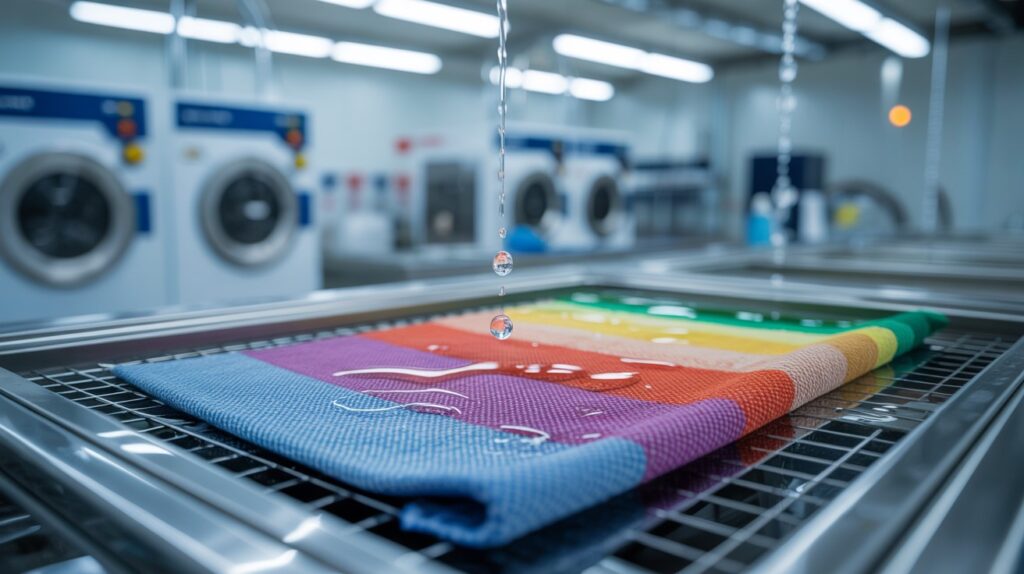
In terms of repeated washing, polyester performs better than cotton overall. Prints on polyester usually last longer and stay vibrant after many washes, so it’s a good choice for things that need to be tough.
Cotton designs may fade more quickly, particularly if washed in hot water or with strong detergents. Cotton prints can also last a long time with careful washing and handling, but polyester is more tolerant of abuse.
Flexibility and Stretch
Cotton is soft, but it stretches and shrinks over time. This may cause your clothing to be slightly shorter in size, along with the beading on prints. Cotton feels natural and comfortable, and without question, should be washed carefully, or it will lose its shape.
Polyester is more malleable and retains its form. It does stretch out a little, but snaps right back to its original shape. This can have an effect that keeps prints looking clean and clothes looking new after many washes. Due to its stretchability, polyester is a popular material for sportswear or tight-fitting clothing because it molds well to the body without losing its shape.
Cost and Ease of Printing
Cotton is usually easier to print on using standard DTF methods. You don’t need heavy pre-treatment, and it’s easy to find. The softer feel means more ink is needed to achieve vibrant colors, and that can add to the material expense.
Polyester is a bit more difficult to print on because it is a slick surface, but the prints are crisper and longer-lasting. Pre-treatment or special inks might be required, and this could add to the cost. But when it comes to designs requiring bright, enduring colours, polyester can be a good investment in the long term.
Conclusion
Choosing a DTF print on polyester or cotton is a personal decision. If you are looking for vibrant, long-lasting prints on fabric that hold their shape, then polyester is the right choice. If you want the shirt to have a soft feel, be natural, and look classic, cotton is definitely the way to go.
After understanding the differences between DTF printing on polyester and cotton, you’ll be able to apply the right techniques to your t-shirts, hoodies, or any other items you want to print on. The good news is that when you use the proper materials and methods, like those offered by DTF Linko, your creations will look amazing, last a long time, and deliver exactly the results you envisioned.
FAQs:
Can I use the same DTF printing process for both polyester and cotton?
Yes, the core process of DTF applies to both fabrics, but polyester usually needs some sort of pre-treatment or special ink for the design to adhere well and remain vibrant. Although cotton is easier to print on, it may take up the ink differently.
Which fabric gives brighter colors in DTF printing?
Polyester tends to produce brighter and more vibrant colors because the dye sits on the surface instead of soaking in. Cotton colors are softer and more subdued.
Which fabric is more durable after washing?
Polyester prints are more durable after multiple washings, while cotton prints tend to fade if not washed gently. The life of a cotton print can be prolonged with the right care.
Does cotton shrink after printing?
Cotton can shrink or stretch with time, and the print can get a little distorted. Polyester retains shape significantly better and will not shrink as much.
Is polyester more expensive to print on than cotton?
Polyester printing is a little on the higher end of the price scale, as it often requires pre-treatment or special inks. But for high-quality results, the brighter colors and more durable prints can be worth the cost.

Open House Viewings What Buyers Should Expect

How Concierge Amenities Are Driving Resident Retention in Multifamily Housing

Talking Photo Online Free AI: Step-by-Step Guide to Using Talking Photo AI Tools

Streamlining Information Retrieval with Disqover Connector Search

Discover Modern Streetwear Style with Guiding Cross

Guiding Cross: Premium Apparel Designed for Everyday Comfort

SD Card Recovery Tool Mac: Free Options to Recover Lost Files Easily

Why Aeration Is the Missing Step in Your Lawn Care Routine

Data Analytics Has Become a Core Pillar of Business Scaling in the UK’s Digital Economy

Why Education Around Consent Is Key in Preventing Misconduct

Who Is Marlene Knaus? The Untold Story of Niki Lauda’s First Wife

Jacqueline Bernice Mitchell: The Inspiring Story of Jerry Rice’s Ex-Wife

Curious About JOI Database? Read This First Before You Click Anything

Mickey Middleton: The Untold Story of Bryan Cranston’s First Wife

Where Is Barbara Boothe Now? Inside Her Life After Larry Ellison

Wendy Lang: Meet the Therapist Married to Cenk Uygur

Who Is Jasmine Williams? Meet Brad Williams’ Amazing Wife

Where Is Noelle Watters Now? Jesse Watters’ Ex-Wife’s Life After Divorce

Alisande Ullman Today: What Happened After Her Divorce from Leslie Nielsen?

Where Is Tanya Hijazi Now?: All About Rick James’ Former Wife
Open House Viewings What Buyers Should Expect
How Concierge Amenities Are Driving Resident Retention in Multifamily Housing
Talking Photo Online Free AI: Step-by-Step Guide to Using Talking Photo AI Tools
Streamlining Information Retrieval with Disqover Connector Search
Discover Modern Streetwear Style with Guiding Cross
Guiding Cross: Premium Apparel Designed for Everyday Comfort
SD Card Recovery Tool Mac: Free Options to Recover Lost Files Easily
Why Aeration Is the Missing Step in Your Lawn Care Routine
Data Analytics Has Become a Core Pillar of Business Scaling in the UK’s Digital Economy
Why Education Around Consent Is Key in Preventing Misconduct
-
 Celebrity9 months ago
Who Is Marlene Knaus? The Untold Story of Niki Lauda’s First Wife
-
 Celebrity6 months ago
Jacqueline Bernice Mitchell: The Inspiring Story of Jerry Rice’s Ex-Wife
-
 Entertainment8 months ago
Curious About JOI Database? Read This First Before You Click Anything
-
 Celebrity7 months ago
Mickey Middleton: The Untold Story of Bryan Cranston’s First Wife