
Connect with us

Guide

From Playlists to Perspective: Sharing How Streaming Music Helps People Through Hard Times

Published

on

From Playlists to Perspective: Sharing How Streaming Music Helps People Through Hard Times
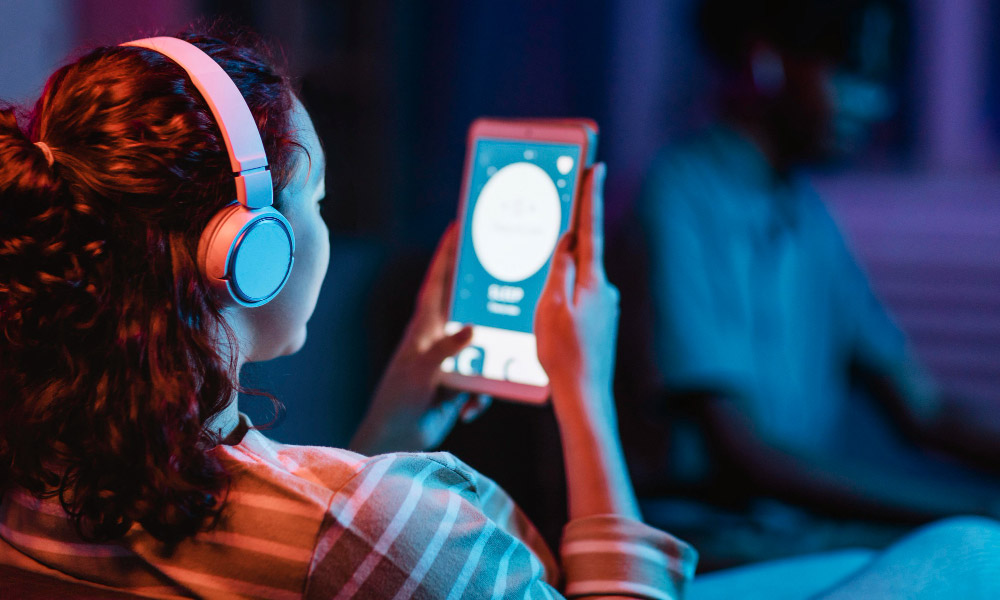
We all have those days where the world feels a bit too heavy, and the only thing that seems to fit the mood is a pair of noise-canceling headphones. It is in these moments of quiet desperation or overwhelming stress that we turn to our digital libraries for a sense of grounding and comfort. Within the evolving landscape of the modern music business, figures such as Benjy Grinberg have observed how the shift toward streaming has fundamentally changed our emotional relationship with sound. Music is no longer just a background noise for a commute but has become a vital tool for mental health and perspective.

The Digital Life Raft in a Sea of Stress

Think back to how we used to consume music just a couple of decades ago. If you wanted to hear a specific song to help you through a breakup or a tough day at work, you either had to hope the radio DJ played it or you had to physically own the CD or cassette. There was a barrier to entry that often left us alone with our thoughts when we most needed a distraction. Today, streaming has completely demolished those walls. We have millions of songs sitting in our pockets at all times. This instant accessibility acts as a digital life raft. When anxiety peaks or sadness sets in, the ability to find the exact frequency that matches your internal state within seconds is a modern luxury that we often take for granted. It provides an immediate sense of agency when the rest of life feels like it is spiraling out of control.

Curating the Calm Through Personal Playlists

There is something deeply therapeutic about the act of curation. When you sit down to build a playlist, you are essentially organizing your emotions. You might have a folder for “Rainy Day Reflections” or another for “Unstoppable Energy.” By categorizing these sounds, you are giving yourself a roadmap for how to navigate your feelings. Streaming platforms have made this process intuitive and deeply personal. We see people sharing these playlists not just as a collection of songs, but as a piece of their identity. During hard times, looking back at a playlist you made during a previous struggle can remind you that you have survived before and you will survive again. It is a tangible record of resilience.

The Psychology of the Shared Human Experience

One of the hardest parts of going through a rough patch is the feeling of isolation. You start to believe that no one else could possibly understand the specific weight you are carrying. Then, you hit play on a random track recommended by an algorithm and the lyrics hit you like a bolt of lightning. Someone else has felt this. Someone else put these exact words to a melody and shared them with the world. Streaming services facilitate this connection on a global scale. When you see that a song has millions of plays, it is a subtle reminder that you are part of a massive, silent community of people who are all feeling something similar. You are not an island; you are just one voice in a much larger, melodic conversation.

Finding New Perspectives Through Algorithmic Discovery

Sometimes, the best medicine for a bad mood is something we have never heard before. We can get stuck in “musical ruts” where we listen to the same three albums over and over, which can accidentally reinforce a negative headspace. The discovery features on streaming platforms act as a gentle nudge toward a new perspective. A new genre or a fresh artist can break the cycle of repetitive thoughts. It introduces a sense of novelty and wonder back into a life that might feel stagnant. There is a genuine thrill in finding a new favorite artist while you are in the middle of a personal storm. It represents growth and the possibility that there is still beauty left to find in the world, even when things look bleak.

The Science of Sound and Emotional Regulation

While we talk a lot about the soul of music, there is also a very real biological component to why streaming helps us cope. Listening to music we enjoy triggers the release of dopamine, the feel-good chemical in our brains. It can lower cortisol levels, which is the hormone responsible for stress. When we use streaming to find “Lo-fi beats” for studying or “Ambient soundscapes” for sleep, we are essentially hacking our own nervous systems. We are using frequency and rhythm to tell our bodies that it is okay to calm down. The fact that we can do this anywhere, whether we are on a crowded subway or sitting in a dark room, makes it one of the most portable and effective forms of self-care available to the modern human.

Music as a Time Machine for Better Days

Nostalgia is a powerful tool when the present feels unbearable. Streaming allows us to jump back into the soundtracks of our youth or better chapters of our lives with a single tap. If you are struggling with a difficult transition in adulthood, listening to the albums you loved in high school can provide a sense of safety and familiarity. It anchors you to your history. It reminds you of who you were before things got complicated. This ability to “time-travel” through audio helps bridge the gap between our current struggles and our past successes, providing the emotional fuel needed to keep moving forward.

Building a Community in the Comments and Feeds

Music has always been social, but streaming has moved that social element into the digital clouds. We share tracks on Instagram stories, send Spotify links in group chats, and discuss new releases on Reddit. During hard times, these small interactions can be a lifeline. Sending a song to a friend is a low-pressure way of saying, “I’m thinking of you,” or “I’m feeling this right now.” It creates a dialogue that doesn’t require a lot of words, which is perfect for those times when talking feels like too much effort. These digital breadcrumbs of shared melody help us stay connected to our social circles even when we feel like withdrawing.

Final Word

The way we listen to music has changed forever, but the reason we listen remains exactly the same as it has always been. We search for meaning, for comfort, and for a way to process the highs and lows of being alive. Looking at the industry today, the work of innovators like Benjy Grinberg highlights how important it is to keep the human element at the center of this digital revolution. As long as we have a way to hit play and lose ourselves in a song, we have a way to find our way back to our best selves.


Continue Reading

Categories

Trending