Connect with us

Guide

How Local Energy Markets Shape Utility Prices in Major U.S. Cities

Published

on

Local Energy

Energy costs are a constant concern for households and businesses across the United States, but what many people don’t realize is just how much local energy markets influence the price they pay for electricity and natural gas. Even cities that seem similar in size or climate can experience dramatically different utility prices because of regional regulations, supply conditions, infrastructure, and the competitive landscape of providers.

Understanding how local markets work helps consumers make smarter financial decisions, anticipate price changes, and choose the best utility plans for their needs. Below is a clear, people-first explanation of how local energy markets shape utility prices in major U.S. cities—and what this means for your wallet.

1. Deregulation vs. Regulation: The Biggest Influencer of Utility Prices

One of the most important factors shaping utility prices is whether a state operates under a regulated or deregulated energy market.

In regulated markets:

  • A single utility controls the generation, distribution, and supply of electricity or gas.

  • Consumers have no choice in who provides their power.

  • Prices are set by state regulators and tend to be more stable, but sometimes less competitive.

In deregulated markets:

  • Consumers can choose among multiple energy providers.

  • Utilities maintain the grid but suppliers compete for customers.

  • Prices often fluctuate with the market and can be higher or lower depending on competition.

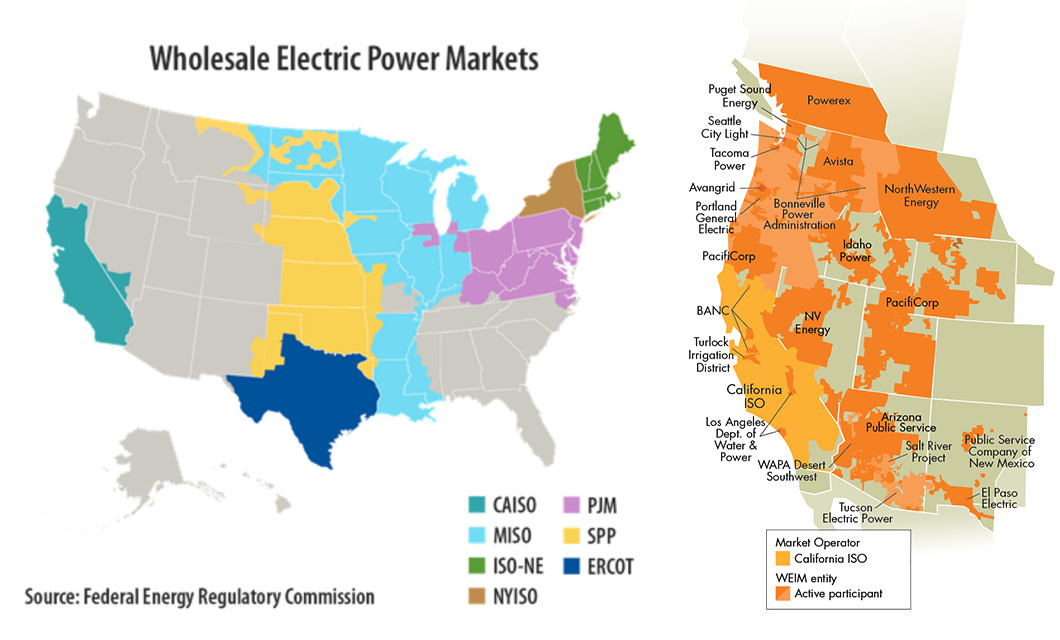
Cities in Texas, Illinois, and parts of the Northeast operate under deregulation. Meanwhile, many states in the South and West maintain regulated structures.

The presence or absence of competition directly shapes consumer pricing, plan options, available incentives, and long-term affordability.

2. Local Fuel Sources and Geography Influence What You Pay

Geography plays a surprising role in energy costs. Cities located near abundant natural gas reserves, solar-rich regions, or wind corridors often see lower prices than areas dependent on imported energy.

Factors include:

  • Proximity to natural gas pipelines

  • Availability of renewable energy resources

  • Weather patterns (extreme cold or heat raises demand)

  • Local infrastructure investments

For example:

  • Cities across the Midwest often benefit from strong wind energy capacity.

  • Southwestern cities enjoy more affordable solar energy programs.

  • Coastal cities sometimes face higher prices due to constrained pipeline access or aging grid systems.

The energy mix available near a city shapes both market prices and the stability of those prices over time.

3. Supply and Demand Trends Inside the City Matter

Beyond geography, local demand plays a major role in shaping utility prices.

High-demand cities—like New York, Houston, or Los Angeles—often experience:

  • Higher peak-time pricing

  • Seasonal rate increases

  • Congestion on the grid

However, they also tend to have:

  • More provider options

  • Larger infrastructure investments

  • Better access to innovative technologies

Meanwhile, mid-sized cities with lower demand may see more stable pricing but fewer competitive suppliers.

4. Market Competition Creates More Choices—But Also More Risk

In cities where competition thrives, consumers gain access to:

  • Fixed-rate energy plans

  • Variable or market-based plans

  • Green energy options

  • Introductory rate promotions

  • Customer loyalty incentives

This competition can significantly lower costs when consumers take the time to compare offers. For example, homeowners exploring choices among atlanta energy companies often benefit from a growing number of utility plans, rate structures, and renewable options.

But competition also introduces complexity. Not all plans are equal, and some come with hidden fees, short-term promotional rates, or complicated cancellation terms. Being informed—and comparing total costs rather than just introductory prices—helps consumers avoid surprises.

5. Local Policies and Incentives Shape the Cost Landscape

State and city governments have a massive influence on energy prices, thanks to policies that affect:

  • Renewable energy requirements

  • Utility rate approval processes

  • Infrastructure funding

  • Customer assistance programs

  • Energy efficiency incentives

  • Carbon emissions regulations

For example:

  • Cities in California often pay more due to aggressive renewable energy mandates and wildfire mitigation costs.

  • States in the Northeast may offer rebates for heat pumps and high-efficiency home upgrades to offset higher utility prices.

  • Some Southern states maintain low base rates due to natural gas abundance and regulated pricing structures.

Understanding your local policy environment helps predict upcoming rate changes and available financial benefits.

6. Infrastructure Age and Investment Levels Impact Pricing

Older cities often deal with aging energy infrastructure—old pipelines, outdated transformers, and insufficient grid capacity. Maintaining or replacing these systems is expensive, and those costs often get passed on to consumers through higher utility rates.

Cities with heavy investment in modernization usually offer:

  • Better reliability

  • Fewer outages

  • Smarter grids

  • More renewable integration

  • More stable pricing

Cities that underinvest often struggle with:

  • Power interruptions

  • Grid congestion

  • Sudden rate spikes

  • Higher maintenance fees

This is why utility costs can vary dramatically even between cities with similar energy resources.

7. Weather and Seasonal Extremes Drive Price Volatility

Extreme weather patterns—including heatwaves, cold snaps, hurricanes, and winter storms—create sudden spikes in energy demand. Local utilities must prepare for these swings by buying extra energy at wholesale prices or upgrading equipment to maintain grid reliability.

Cities prone to severe weather often experience:

  • Higher natural gas prices during winter

  • Peak electricity surcharges during summer

  • More emergency fuel purchases

  • Long-term rate increases after weather damage

Planning ahead becomes crucial for homeowners in these regions.

8. Consumer Behavior in Each City Shapes Market Trends

Energy companies analyze how consumers in each city use electricity and gas to set pricing strategies.

Factors include:

  • Peak usage times

  • Overall demand patterns

  • Adoption rate of smart home technology

  • Interest in renewables

  • Popularity of electric vehicles

  • Efficiency upgrades

As more people invest in energy-efficient appliances or rooftop solar, local demand shifts—sometimes lowering prices and sometimes creating new challenges for utilities.

Conclusion

Local energy markets shape utility prices far more than most consumers realize. From statewide regulations and provider competition to regional fuel access and seasonal weather extremes, each city has a unique energy personality—one that directly affects what you pay for power and gas.

By understanding these local influences, you can make smarter decisions about your energy plan, anticipate price changes, and take advantage of programs designed to help you save. Whether you’re choosing a new provider, upgrading your home, or planning for the future, knowledge of your local market empowers you to stay in control of your utility costs.

Staying informed—and proactive—remains the best way to keep your energy expenses manageable, no matter where you live.

Continue Reading

Categories

Trending

You cannot copy content of this page