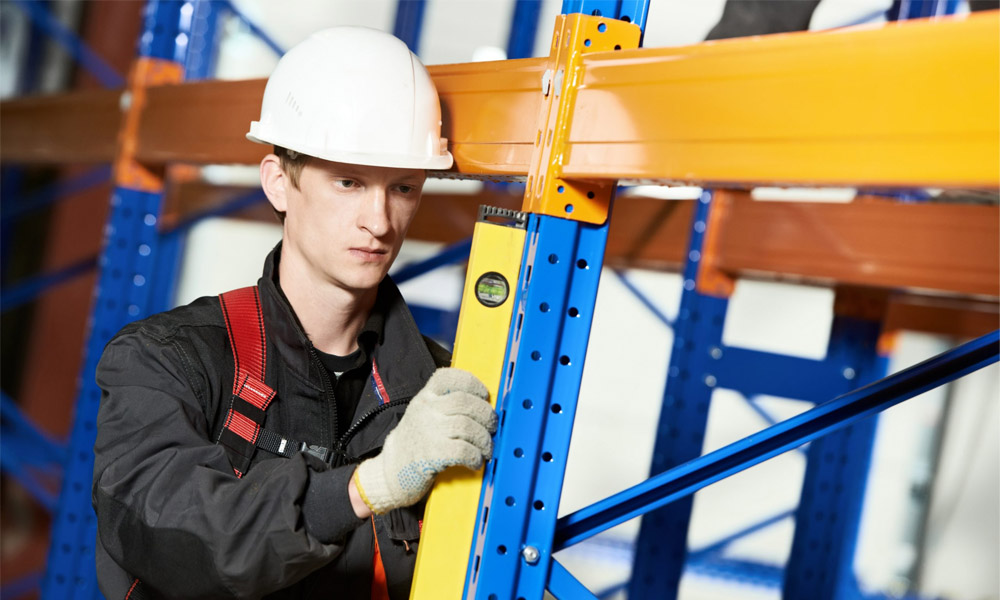
Racking safety is a core part of warehouse management, yet it is often overlooked until damage becomes visible or operations are disrupted. In busy UK warehouses, pallets, lift trucks and high-throughput activity create constant wear on storage systems. The question most warehouse managers ask is simple: how often should you arrange an expert review, and how do internal checks fit into the wider safety strategy?
One of the most recognised professional approaches is the SARI Racking Inspection, a structured assessment carried out by a qualified specialist. To plan inspection cycles effectively, teams need to understand the balance between weekly internal monitoring, annual expert visits, and the expectations held by insurers, auditors and health and safety teams.
Why Inspection Frequency Matters
Pallet racking systems are designed for long service life, but their performance depends on regular monitoring. Even small impacts can weaken uprights, distort beams or create misalignments that affect load stability. Damage often builds gradually, which means it may not be immediately obvious to operational staff.
Consistent inspections help warehouse teams:
- Identify issues early before they become serious
- Prevent sudden failures linked to unnoticed structural wear
- Reduce downtime caused by emergency repairs
- Support safer forklift operations within tight aisle spaces
- Maintain predictable load capacities across all bays
A planned schedule is easier and more cost effective than reactive repairs, and it reinforces a strong safety culture within day-to-day warehouse activity.
Internal Visual Checks: Weekly and Monthly Routines
Most UK warehouses benefit from a simple internal routine carried out by trained staff. These checks are visual and practical rather than technical, and they allow teams to identify early signs of wear between formal assessments.
What internal checks usually include
- Spotting dents or bends on uprights
- Checking for missing safety locks or beam clips
- Monitoring pallet condition, especially damaged boards
- Watching for overloading or uneven pallet placement
- Noting leaning frames or signs of impact
- Checking aisle clearance and forklift route conditions
Weekly inspections give operators a consistent record of racking condition. Many businesses also keep a monthly log that includes slightly more detailed observations, which can be reported before small issues grow into costlier problems.
Internal checks are not designed to replace a SARI Racking Inspection, but they help ensure that obvious hazards do not go unnoticed in between expert reviews.
Annual Expert Assessments: Why They Matter
Most UK warehouses schedule a professional inspection once a year. These assessments are more detailed than internal checks and provide an independent perspective on overall structural condition, safe working loads and long term performance.
What expert assessments look for
- Upright and frame alignment under load
- Beam deflection and fatigue signs
- Baseplate condition and floor fixings
- Damaged or incorrect components
- Risk categories relating to damage severity
- Recommendations for repair or reconfiguration
An annual SARI-style assessment helps warehouse managers document maintenance efforts and track structural changes that may occur over time. Expert reviewers also advise on long term planning, such as reconfiguring racking when stock profiles change or when automation is introduced.
In most UK operations, an annual SARI Racking Inspection strikes the right balance between safety, cost control and operational continuity.
HSE Expectations and Insurance Considerations
While the UK does not impose strict, prescriptive timetables for racking inspections, there is a clear expectation that employers keep equipment safe, well maintained and regularly assessed. Insurers take a similar view, often asking for evidence that a warehouse has a structured inspection routine.
This usually means:
- Documented internal inspection logs
- Clear records of annual expert reviews
- A process for recording, categorising and repairing damage
- Demonstrating that loads and equipment are used sensibly
In the event of a claim, insurers may ask for maintenance history to understand how well the racking system has been managed. Well-kept inspection records help demonstrate that the business takes safety seriously and manages its equipment responsibly.
How Professional Inspections Reduce Long Term Costs
Many warehouse managers initially view professional inspections as an added cost, but consistent expert oversight often reduces total maintenance spend over several years.
Long term financial benefits
- Early identification of damage prevents costly structural failures
- Repairs can be planned rather than rushed
- Reduced downtime improves throughput and labour efficiency
- Fewer emergency call-outs from repair teams
- Safer racking reduces the chance of product loss from collapses
Small dents or misalignments may seem harmless, but they often compound over time. A second pair of trained eyes provides the clarity needed to prevent major disruption or inventory damage.
Planning a Sensible UK Inspection Cycle
The most practical approach for UK warehouses combines:
- Weekly internal visual checks (simple, quick, and logged)
- Monthly supervisor checks to monitor developing issues
- Annual expert review, ideally through a structured SARI Racking Inspection
- Additional inspections after any major impact or layout change
This layered strategy ensures both operational awareness and expert oversight. It also keeps maintenance costs predictable and demonstrates responsible management to insurers and internal safety teams.
Final Thoughts
Safe and well-planned racking management is essential for any UK warehouse. A combination of weekly internal checks and annual expert assessments helps ensure that racking systems remain strong, stable and ready for daily use. A SARI Racking Inspection provides a comprehensive picture of system condition, supports insurer expectations and prevents small problems from escalating into expensive structural failures.
By planning inspections around business needs, operational volume and warehouse layout, managers can maintain safe working environments and extend the life of their storage systems without unnecessary cost or disruption.