
Blog
How to Reduce Oil Waste in Restaurants With Conditioners & Filters

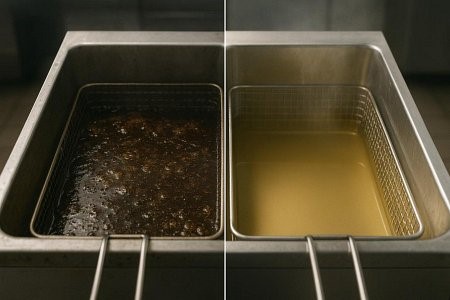
In busy commercial kitchens, where fryers run all day, managing cooking oil well is a steady challenge. So, how do restaurants cut oil waste? A big part of the answer is smart use of advanced fry-oil conditioners and filters.
These tools quietly extend oil life, keep food quality steady, and cut costs. Without them, kitchens dump oil earlier than needed, which hurts profits and the environment. By using these tools the right way, restaurants can turn a big expense into a more sustainable habit, keeping every dish crisp while saving resources.
Good oil management starts with knowing what breaks oil down. Daily frying and a steady build-up of contaminants both speed up decay. Modern solutions like those from fry-oil conditioners & filters give strong protection. They do more than strain oil; they also condition it, keeping flavor and quality longer. This wider approach saves money and also improves the dining experience with steady results while backing a cleaner path for foodservice.
What Causes Oil Waste in Restaurants?
Oil waste in restaurants comes from many sources. Some are part of frying itself; others come from poor kitchen habits. Knowing these causes is the first move toward better practices that turn a costly issue into a chance to run leaner and greener.
Deep fryers make the crispy foods people love. But steady high heat and contact with food bits and air break oil down. This isn’t only about looks; when oil degrades, food quality drops and costs rise.
Frying Practices That Lead to Premature Oil Discard
Many kitchens throw oil out too soon because certain habits speed up damage. Running fryers too hot breaks oil fast, causing smoke and bad odors. Uneven loads that heat and cool oil again and again also stress it. Skipping quick skims between batches lets crumbs burn and foul the oil, cutting its usable life.
Busy owners often drain oil before they need to. That waste is lost profit. Oil is expensive, and frequent changes add up for any operation. Ignoring simple steps that extend oil life leads straight to higher costs and lower margins.
Contaminants and Debris Accumulation in Fryer Oil
Inside the fryer, debris builds up. As food cooks, crumbs, batter, juices, and tiny bone bits drop into the oil. These particles burn, darken the oil, make it smoke, and add off flavors — problems that Save Fry-Oil helps reduce through better filtering and conditioning practices. Dirty oil makes food taste greasy or burnt, which upsets customers and hurts the dining experience.
These impurities speed up breakdown. Signs include dark or cloudy oil, heavy foaming or smoking, and a lingering burnt smell. Overheated or overused oil can also form harmful byproducts. Effective filtering and conditioning help limit this build-up.
How Do Oil Conditioners and Filters Reduce Oil Waste?
Oil conditioners and filters are key tools for cutting oil waste. Together they remove impurities and help keep the oil’s chemistry in balance, which cuts the number of oil changes and lowers costs.
They do more than slow decline. They refresh the oil so it stays usable longer. By attacking contamination and breakdown at the source, kitchens get more value from each batch of oil while serving steady, high-quality fried foods.
Mechanisms of Oil Filtration Systems
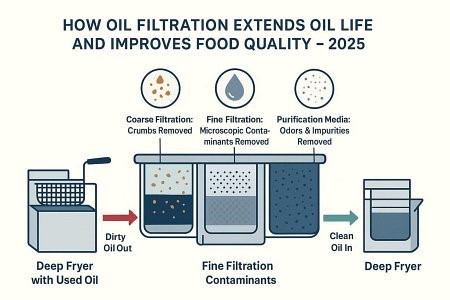
Oil filtration follows a simple idea: take out the junk so the oil lasts longer. The system pulls oil from the fryer, passes it through a filter, and returns it. Physical filtering uses screens, paper, or mesh to catch crumbs and debris.
Newer systems can trap particles down to about 5 microns, which clears the oil and extends life. Some use centrifugal force to spin out fine solids, cutting filter waste. Multi-stage setups remove both visible bits and tiny particles that speed up breakdown.
Conditioner Technologies for Oil Preservation
Conditioners go past simple filtering and help keep the oil’s chemistry in good shape. Chemical filtering uses special powders like magnesium silicate. These powders bind with free fatty acids and polar materials that make oil smell rancid and fall apart.
When used with physical filtering, chemical conditioning can add 25-30% to oil life. It removes particles and also neutralizes chemical troublemakers, bringing back lighter color and clearer look. The result is oil that works better for longer and produces steady, tasty fried food.
Frequency and Process of Filtering Cooking Oil
To get real gains from conditioners and filters, use them often and the right way. Many advisors suggest filtering daily, especially after busy rushes. Regular filtering stops debris and harmful compounds from building up.
You can filter by hand or use automated systems. Automated oil systems make the job simple: staff can add fresh oil, filter, and send used oil to storage with one button, without lifting hot oil. This keeps filtering consistent and improves kitchen safety by lowering risks from spills and burns. Making filtering a normal, smooth step in prep helps keep oil quality high and extends life.
What Are the Benefits of Using Oil Conditioners and Filters in Restaurants?
Buying oil conditioners and filters is a smart move with many gains beyond saving money. These tools boost day-to-day efficiency, food quality, and greener operations, helping restaurants compete and thrive.
Benefits range from better taste and texture to a smaller footprint. They help teams run smarter, cut waste, and build a reputation for quality and responsibility.
Improves Oil Life and Reduces Replacement Costs
A big payoff is longer oil life and fewer purchases. Fryer oil is costly. A 5-gallon jug can run $40-$60. One fryer may use 10-20 jugs per month, or $400-$1,200. Routine filtering can add 25-50% to oil life, saving $100-$600 per month per fryer. With good temperature control, some kitchens even double oil life, cutting cost in half.
Longer life means buying less oil and better margins. A site using 40 gallons a week could save $2,000-$3,000 per year with steady filtering. That frees cash for other needs and supports growth and stability.
Improves Food Flavor, Texture, and Consistency
Dirty oil breaks down fast, smokes, smells bad, and ruins fried foods, making them greasy or burnt. Clean oil cooks evenly and gives fried foods a crisp, golden finish.
Filtering pulls out burnt bits, carbon, and other trouble that cause bitterness and off flavors. That keeps taste steady plate after plate. Automated filtration helps keep oil quality in the right range, giving maximum flavor, texture, and color in every fried item.
Decreases Environmental Impact From Oil Disposal
Poor oil handling harms the environment. If used oil is dumped the wrong way, it can reach landfills or waterways, forming a film that hurts aquatic life and blocks light. Filtering lowers oil waste, so less oil needs pickup and disposal.
Also, filtered used oil is worth more and is easier to recycle into biodiesel, renewable diesel, or sustainable aviation fuel (SAF). Turning waste into cleaner fuel lets restaurants make a positive impact and cut pollution.
Supports Sustainability and Eco-Friendly Operations
Customers care about the environment and are more likely to support businesses that act on it. Using oil conditioners and filters is a clear step that cuts landfill waste and supports biofuel production, which lowers harmful emissions.
Taking these steps can lift your public image, attract green-minded guests, and help you stand out. Oil management from purchase to disposal affects a kitchen’s footprint. With active filtering, restaurants save money and also play a part in a cleaner future for the industry.
What Types of Oil Conditioners and Filters Are Available?
There are many types of oil care and filtering systems, built for different kitchen sizes and workloads. From simple manual tools to fully automated setups, knowing the options helps you pick what fits your operation.
This range means small diners and high-volume chains can both find a setup that improves oil use, food quality, and sustainability goals.
Portable vs. Integrated Oil Filtration Units
Your choice between portable and built-in units depends on layout, fryer type, and volume. Portable carts move from fryer to fryer. A pump pulls oil out, runs it through a filter, and sends it back. These suit smaller sites or a few fryers and offer a low-cost start.
Built-in systems connect directly to fryers or a wider oil network. They tend to be more automated, with push-button filtering, and fit busy kitchens that want steady results with little manual work. They raise efficiency and safety by cutting direct contact with hot oil.
Micro and Particulate Filters
Filtering power starts with how well a system captures particles. Micro and particulate filters remove solids from oil. Manual methods use mesh screens, cones, or paper to catch larger bits. They’re cheap and simple but labor-heavy and weak at catching very fine particles.
Powered filter machines use better media that can trap particles down to about 5 microns. This helps keep oil clear and slows the damage caused by tiny debris. The finer the capture, the cleaner the oil and the longer it lasts, which supports food quality.
Active Carbon and Chemical Filtration Options
To address chemical breakdown, some systems add active carbon or chemical media. Powders like magnesium silicate bond with free fatty acids and polar compounds that cause rancid smells and quick decay, which hurt flavor.
Active carbon can absorb bad odors and tastes. Paired with physical filters, these methods can extend oil life by 25-30% and bring back a lighter color and clearer look. That means oil that is both cleaner and more stable for consistent frying.
Automated Oil Management Systems
Automated oil systems offer high efficiency, safety, and sustainability. Options like Restaurant Technologies’ Total Oil Management handle fresh oil delivery and used oil collection and recycling. The setup removes manual lifting by linking fresh and waste tanks to fryers through an outdoor fill box, creating a closed loop.
Simple controls let staff add fresh oil, filter, and send used oil to storage with one button. This cuts labor, lowers burn risk, and keeps food quality steady with regular automated filtering. Many locations see up to a 50% drop in oil use after adoption. Some systems also include web dashboards to track oil use, filtering activity, and key metrics for better planning and cost control.
How to Choose the Right Oil Conditioner and Filter for Your Restaurant
Picking the right conditioner and filter is not the same for every kitchen. Look at the factors that matter for your operation. The right pick can lift efficiency, profits, and sustainability, so spend time matching the system to your needs.
Balance upfront price with long-term savings, ease of use with extra features, and food safety rules you must follow. Choose a setup that fits your current workflow and delivers steady, measurable gains.
Factors: Kitchen Size, Fryer Type, and Menu Requirements
The size of your kitchen shapes the choice. Small spaces may do better with compact portable units, while large kitchens with many fryers can justify built-in systems. Fryer model matters too; some filters work best with certain brands or have built-in support.
Menu drives oil use. Heavy frying means higher turnover and a stronger need for frequent filtering. If you fry delicate items that tint or flavor oil, look for advanced chemical conditioning to keep neutrality. If you fry less, a simple manual setup may be enough. Match capacity and filter strength to your daily volume and food types.
Cost Considerations and Return on Investment
While the purchase price can seem high, check the return on investment (ROI) over time. Many mechanical systems pay for themselves in 6-12 months from oil savings alone. Look at your current oil price, change frequency, and the gains from adding 25-50% to oil life-or even doubling it.
Also include lower labor from automation, fewer injuries, and smaller waste fees. A system that cuts oil buys by 50% or more can deliver large yearly savings. Ask vendors for clear cost breakdowns covering purchase, maintenance, filter media, and multi-year savings.
Ease of Use and Maintenance Needs
The best system is one your team can run safely and correctly. Look for clear controls and a simple process. Automated setups cost more at the start but turn oil work into a one-button task, reduce mistakes, and make training easier so staff can focus on cooking and guests.
Check upkeep needs: filter change frequency, part availability, and cleaning steps. Simple, low-maintenance designs keep performance steady and last longer. Micro Filter King offers machines built for easy operation with little upkeep and strong warranties, which signals durability and reliability.
Compliance With Food Safety Standards
Food safety comes first. Your conditioner and filter should help keep oil from turning rancid or supporting bacteria. The system must remove impurities that could risk food safety.
Some health codes set limits on oil breakdown markers like Total Polar Material (TPM). Use TPM test strips or electronic meters to know when oil truly needs changing. Pick a system that supports these checks by keeping oil within safe levels as long as possible. Make sure any equipment you buy is certified and meets local health and safety standards.
Best Practices for Maximizing Oil Longevity and Minimizing Waste
Buying good conditioners and filters is only half the job. To get the most out of them, pair the tools with steady daily habits. Combine technology with clear routines and trained staff so every drop of oil does more work.
These habits extend oil life, raise efficiency and safety, and support better food while protecting your bottom line.
Daily Filtration Schedules and Staff Training
Set a consistent daily filtering plan. Filter oil every day, or at least after each busy service. This keeps crumbs and carbon from building up, which are key drivers of breakdown. Simple Standard Operating Procedures (SOPs) help keep quality and extend life.
Staff training matters. Teach the team not only how to use the filter gear, but also why it matters. Cover safe hot-oil handling, correct operation, and signs of worn oil: dark color, foaming, smoking, or burnt smell. When staff have this knowledge, they follow the process, make fewer mistakes, and share the responsibility for saving oil and keeping the kitchen safe.
Monitoring Filtration Effectiveness and Oil Quality
Check your system and oil regularly to get full value. Start with a quick look: clean oil is light in color and not foaming or smoking. Visual checks help, but they don’t tell the full chemical story.
Use Total Polar Material (TPM) test strips or electronic testers for objective readings. These tools tell you when oil has hit its chemical limit and really needs to be changed, instead of guessing. Tracking TPM supports food safety, avoids early disposal, and helps meet local health rules. Use these numbers to fine-tune your filter schedule and upkeep so oil performance stays high and life is extended.
Cost Savings and Environmental Impact of Reducing Oil Waste
Adding conditioners and filters pays off in savings and cleaner operations. The effects reach beyond the fryer and touch labor, waste, and your standing in the community.
This move brings clear financial gains and real environmental benefits, showing your business is ready for smarter, cleaner ways to run.
Calculating Oil Usage Reduction and Savings
The money side is easy to measure. With solid filtering and conditioning, many kitchens add 25-50% to oil life, and sometimes double it. If one fryer uses 10-20 jugs a month at $400-$1,200, stretching oil can save $100-$600 per month per fryer. A site using 40 gallons weekly could keep $2,000-$3,000 per year.
Automation can lift savings further, and many places report up to a 50% cut in oil use. These systems also reduce handling time and lower the chance of costly accidents. By tracking oil use and filtering activity closely, you get a clear view of savings and can tune operations for the best results.
Comparing Waste Disposal Costs vs. Filtration Investments
Used oil disposal also costs money. Fewer changes mean less waste oil, lower fees, and fewer pickups. While a quality filter system has an upfront price, it offsets these ongoing costs quickly.
Plus, filtered waste oil is cleaner and often earns better rebates from recyclers. That turns a cost into income. When you compare years of frequent disposal to buying a filter system, the math favors filtration.
Reduction of Restaurant Carbon Footprint
Cleaner oil habits help the planet. Dumped oil adds to landfill load and water pollution. Extending oil life and recycling used oil lowers your carbon footprint. With filtering, less oil is thrown away and more becomes biodiesel, renewable diesel, or SAF.
This path turns waste into cleaner energy, cuts fossil fuel use, and reduces emissions. Better oil care also lowers emissions tied to making and shipping new oil. Many guests pay attention to sustainability, so smart oil practices help both the planet and your brand.
Frequently Asked Questions About Oil Waste Reduction Technologies
Questions about oil waste reduction systems are common for owners and managers. Clear answers help you pick and run the right setup in a busy kitchen. Here are direct replies to the most asked points.
Topics include how often to filter and which safety marks to look for. These basics make the process clear and spotlight the key points for success.
How Often Should Oil Be Filtered?
Many experts suggest filtering daily, or at least after each heavy rush. Food bits build up fast and speed decay. Regular daily filtering stops that breakdown and keeps both oil and food quality on track.
High-volume kitchens may filter multiple times a day or run continuous filtering with automated gear. The goal is to keep oil as clean and stable as you can during its life. Skipping a day can shorten oil life and hurt performance.
Are Oil Conditioners Safe for All Fryers?
Most modern conditioners and filter systems work with a wide range of commercial fryers, but always check your fryer model and the maker’s guidance. Reputable suppliers build to industry safety standards.
For built-in or automated setups, installers usually check fryer fit as part of the service. Portable units also include heat-resistant parts and safe handling features. The main safety risk is hot oil, and good systems reduce lift-and-carry to lower spill and burn risks.
What Certifications Should Oil Filtration Equipment Have?
When buying oil filtration gear, check for key certifications that signal safety and quality. Common marks include:
- NSF International Certification: Shows the product meets strict public health and safety standards for commercial food service.
- UL (Underwriters Laboratories) Listing: Confirms testing to recognized safety standards for fire, electric shock, and other hazards.
- CE Marking: For Europe, indicates compliance with health, safety, and environmental protections.
- Manufacturer Warranties: A long warranty, such as the 10-year warranty from Micro Filter King on their microscopic cooking oil filter, shows confidence in durability and performance.
Also ask your local health department about any extra marks or rules in your area for commercial kitchen gear. Picking certified equipment brings peace of mind and helps you stay within food safety regulations.
Taking the Next Step: Implementing Oil Conditioners and Filters in Your Restaurant
Ready to cut oil waste and run a greener kitchen? Put conditioners and filters in place with a clear plan. This is more than a purchase; it’s a shift in daily habits for efficiency and environmental care. Taking this step points to better food, big savings, and a cleaner future for your business.
Making the switch works best with expert help and steady training so your team can lock in the gains over time.
Getting a Professional Consultation
Before you buy, get advice from a pro. Oil management specialists can review your layout, fryer types, menu, and current oil use. They can point you to the right option-portable, built-in, or fully automated-that matches your needs and budget.
The consult should include a clear ROI picture with projected savings on oil, labor, and waste. Companies that focus on these systems often provide custom recommendations, so the setup fits your workflow with little disruption and strong long-term results.
Staff Training and Ongoing Support
People make the system work. Give full training on saving oil, safe handling of hot oil, and correct use and upkeep of the filter gear. Cover daily steps, common fixes, and how to check oil quality.
Keep support going with refreshers, clear manuals, and easy access to tech help. When staff feel confident, they stick with best practices, and the equipment becomes a real asset-extending oil life, raising food quality, and supporting a more sustainable kitchen.

How to Choose Off-Grid Solar Power Solutions

How Cleaning and Decluttering Can Be Forms of Self-Care

The Story of Sheth Jeebun’s Life and Professional Journey

How SaaS Companies Use Referral and Affiliate Programs to Grow Faster

Long-term rental or property purchase – which is more profitable during a multi-year contract in Poland?

How Implementing a Customer Service Knowledge Base Boosts Efficiency?

Lewisham Is Still Priced Well Below Neighbouring Greenwich – Here’s Why That Gap Won’t Last

How to Prepare for the PMI-PBA Certification: Business Analysis Practice Exams and Study Strategy

How to Help Your Pet Thrive Through Summer Heat and Winter Chills

Open House Viewings What Buyers Should Expect

Who Is Marlene Knaus? The Untold Story of Niki Lauda’s First Wife

Jacqueline Bernice Mitchell: The Inspiring Story of Jerry Rice’s Ex-Wife

Curious About JOI Database? Read This First Before You Click Anything

Mickey Middleton: The Untold Story of Bryan Cranston’s First Wife

Where Is Barbara Boothe Now? Inside Her Life After Larry Ellison

Wendy Lang: Meet the Therapist Married to Cenk Uygur

Who Is Jasmine Williams? Meet Brad Williams’ Amazing Wife

Where Is Noelle Watters Now? Jesse Watters’ Ex-Wife’s Life After Divorce

Alisande Ullman Today: What Happened After Her Divorce from Leslie Nielsen?

Where Is Tanya Hijazi Now?: All About Rick James’ Former Wife
How to Choose Off-Grid Solar Power Solutions
How Cleaning and Decluttering Can Be Forms of Self-Care
The Story of Sheth Jeebun’s Life and Professional Journey
How SaaS Companies Use Referral and Affiliate Programs to Grow Faster
Long-term rental or property purchase – which is more profitable during a multi-year contract in Poland?
How Implementing a Customer Service Knowledge Base Boosts Efficiency?
Lewisham Is Still Priced Well Below Neighbouring Greenwich – Here’s Why That Gap Won’t Last
How to Prepare for the PMI-PBA Certification: Business Analysis Practice Exams and Study Strategy
How to Help Your Pet Thrive Through Summer Heat and Winter Chills
Open House Viewings What Buyers Should Expect
-
 Celebrity9 months ago
Who Is Marlene Knaus? The Untold Story of Niki Lauda’s First Wife
-
 Celebrity7 months ago
Jacqueline Bernice Mitchell: The Inspiring Story of Jerry Rice’s Ex-Wife
-
 Entertainment8 months ago
Curious About JOI Database? Read This First Before You Click Anything
-
 Celebrity8 months ago
Mickey Middleton: The Untold Story of Bryan Cranston’s First Wife