
Real Estate
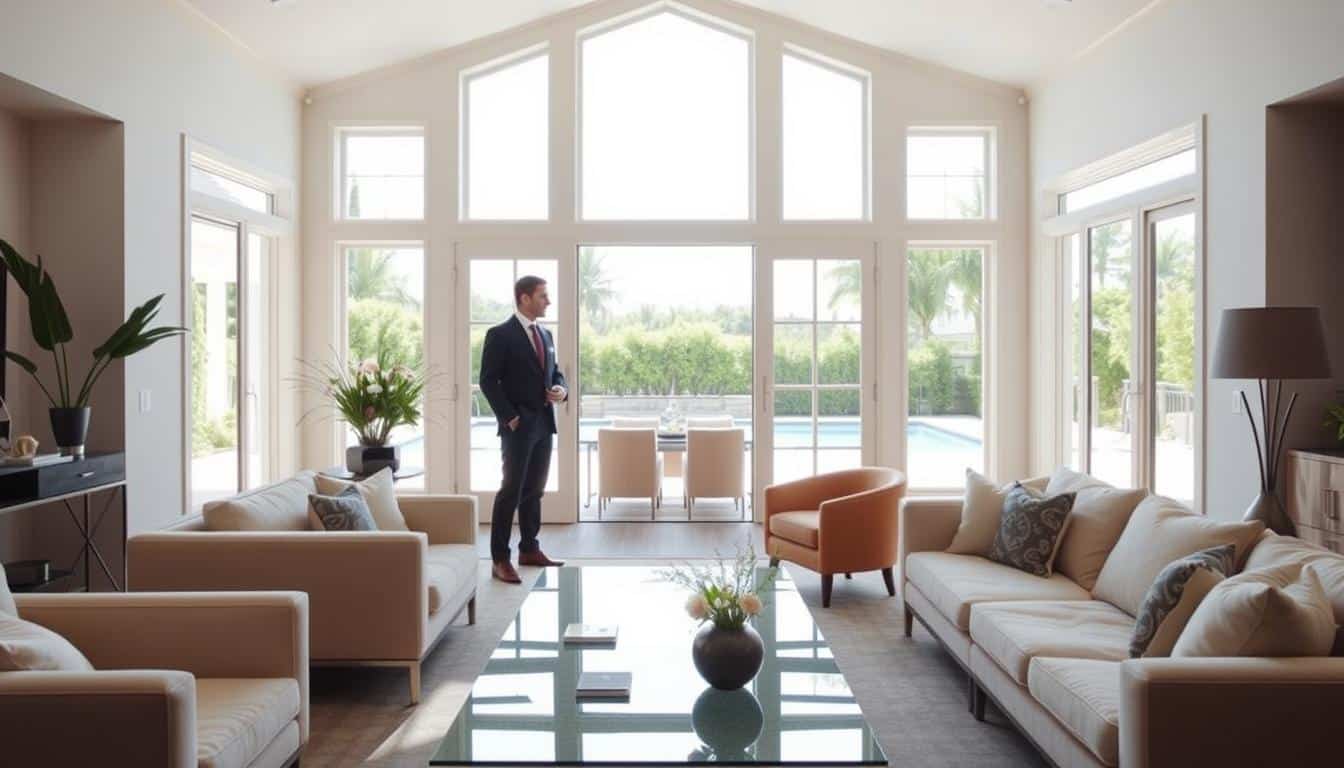
Open House Viewings What Buyers Should Expect
Published
18 seconds agoon
By
IQnewswire
Open house viewings are designed to create an accessible and efficient opportunity for buyers to explore a property. Rather than scheduling multiple individual appointments, sellers open their doors for a set period of time, allowing several prospective buyers to visit in one session.
This format benefits everyone involved. Sellers gain wider exposure for their property. Buyers can view the home without delay. Estate agents streamline the viewing process while observing genuine buyer interest.
Experienced local agencies, such as Hunters easton, often use open house events to generate early momentum for new listings, creating an environment where buyers can assess the property while also understanding the level of demand.
What an open house viewing typically involves
An open house usually runs for a defined window, often one to two hours. Buyers arrive during that period and are greeted by an estate agent who may provide an overview of the property and answer initial questions.
Visitors typically move through the property at their own pace, exploring rooms, outdoor areas, and communal spaces. In some cases, the agent will guide buyers sequentially through the home to ensure a steady flow of visitors and allow time for questions.
Open houses tend to feel more relaxed than private viewings, yet they still provide a structured opportunity to evaluate the property carefully.
Preparing before attending an open house
Preparation significantly improves the value of any property viewing. Buyers who arrive informed are better positioned to evaluate whether the home truly meets their needs.
Before attending, it is useful to review the property listing, photographs, and floor plan. This allows buyers to focus on verifying details rather than discovering them for the first time.
Researching the surrounding area is equally important. Transport links, schools, shops, and green spaces all influence long-term suitability. Preparing a short list of questions can ensure that no important detail is overlooked during the visit.
First impressions and property presentation
First impressions often shape perception. As buyers approach the property, the exterior condition, landscaping, and general presentation create an immediate sense of the home’s character.
Inside, staging plays an influential role. Clean spaces, thoughtful lighting, and carefully arranged furniture can make rooms feel welcoming and spacious. However, buyers should remember that presentation is designed to highlight potential.
Looking beyond decorative elements is essential. Structural condition, natural light, and layout matter far more than temporary styling choices.
Exploring the layout and flow of the home
One of the most valuable aspects of an open house is the opportunity to understand how the property feels in person. Photographs rarely convey spatial relationships accurately.
Buyers should consider how rooms connect and whether the layout suits their daily routines. Kitchens that open into living spaces may appeal to some households, while others may prefer more defined separation.
Walking through the property slowly allows buyers to visualise how they might live there. Is there sufficient storage? Do bedrooms feel private? Does the layout support both social gatherings and quiet moments?
Observing the condition of the property
Presentation can sometimes obscure underlying issues, so careful observation is essential. Buyers should look for signs of maintenance or neglect.
Key indicators include:
· condition of windows and doors
· signs of damp or discolouration on walls
· the age and condition of fixtures and fittings
· roofline visibility and external maintenance
Not every imperfection is a problem. Minor cosmetic issues are common. The objective is to distinguish between superficial wear and more significant structural concerns that may require further investigation.
Asking the right questions during the viewing
Open house events provide an opportunity to gather useful information directly from the estate agent. Asking thoughtful questions helps buyers develop a clearer picture of the property and its history.
Useful questions might include:
· how long the property has been on the market
· whether there have been recent renovations
· the age of major installations such as boilers or roofing
· council tax band and service costs if applicable
Agents may also provide insight into the local market, nearby amenities, and anticipated interest from other buyers.
Understanding the role of the estate agent at the open house
Estate agents play a central role in ensuring the viewing runs smoothly. Their responsibilities extend beyond welcoming visitors. They provide information, maintain order during busy periods, and collect feedback from prospective buyers.
Agents are also present to answer practical questions about the property, the local area, and the buying process itself. For buyers who are unfamiliar with open house events, agents often provide helpful guidance on next steps should interest develop.
Evaluating the neighbourhood during the visit
An open house viewing offers more than insight into the property itself. It also allows buyers to observe the surrounding environment.
Simple observations can be surprisingly informative. Noise levels, traffic flow, parking availability, and the general atmosphere of the street all contribute to long-term satisfaction.
Walking around the neighbourhood after the viewing can provide additional context. Local shops, parks, and transport connections often reveal themselves more clearly when experienced first-hand.
Following up after the open house
Once the viewing concludes, taking time to reflect objectively is important. Initial excitement can fade once buyers compare the property with others they have seen.
Reviewing notes and photographs taken during the visit can help clarify impressions. Buyers who remain interested may request a second viewing, ideally at a different time of day. This allows them to observe lighting, noise levels, and general activity under different conditions.
Common mistakes buyers make during open houses
Open house events can sometimes create a sense of urgency. Multiple visitors moving through the property may lead buyers to assume intense competition.
This environment can encourage rushed decisions. Buyers may focus too heavily on decorative elements or overlook practical considerations such as storage, heating systems, or renovation requirements.
Maintaining a balanced perspective is essential. A property should be evaluated against long-term needs rather than momentary excitement.
Turning an open house visit into a confident decision
The ultimate purpose of an open house is to help buyers gather enough information to move forward with confidence. By observing carefully, asking thoughtful questions, and comparing properties objectively, buyers can develop a clear sense of value and suitability.
If the property aligns with both practical needs and financial considerations, the next step may involve arranging further inspections or preparing an offer. If not, the viewing still provides valuable insight that informs future searches.
Open house events are therefore more than casual walk-throughs. They are an important stage in the buying journey, offering a structured yet accessible opportunity to evaluate a potential home in a real-world setting.
Open House Viewings What Buyers Should Expect
How Concierge Amenities Are Driving Resident Retention in Multifamily Housing
Talking Photo Online Free AI: Step-by-Step Guide to Using Talking Photo AI Tools
Streamlining Information Retrieval with Disqover Connector Search
Discover Modern Streetwear Style with Guiding Cross
Guiding Cross: Premium Apparel Designed for Everyday Comfort
SD Card Recovery Tool Mac: Free Options to Recover Lost Files Easily
Why Aeration Is the Missing Step in Your Lawn Care Routine
Data Analytics Has Become a Core Pillar of Business Scaling in the UK’s Digital Economy
Why Education Around Consent Is Key in Preventing Misconduct
Who Is Marlene Knaus? The Untold Story of Niki Lauda’s First Wife
Jacqueline Bernice Mitchell: The Inspiring Story of Jerry Rice’s Ex-Wife
Curious About JOI Database? Read This First Before You Click Anything
Mickey Middleton: The Untold Story of Bryan Cranston’s First Wife
Where Is Barbara Boothe Now? Inside Her Life After Larry Ellison
Wendy Lang: Meet the Therapist Married to Cenk Uygur
Who Is Jasmine Williams? Meet Brad Williams’ Amazing Wife
Where Is Noelle Watters Now? Jesse Watters’ Ex-Wife’s Life After Divorce
Alisande Ullman Today: What Happened After Her Divorce from Leslie Nielsen?
Where Is Tanya Hijazi Now?: All About Rick James’ Former Wife
Open House Viewings What Buyers Should Expect
How Concierge Amenities Are Driving Resident Retention in Multifamily Housing
Talking Photo Online Free AI: Step-by-Step Guide to Using Talking Photo AI Tools
Streamlining Information Retrieval with Disqover Connector Search
Discover Modern Streetwear Style with Guiding Cross
Guiding Cross: Premium Apparel Designed for Everyday Comfort
SD Card Recovery Tool Mac: Free Options to Recover Lost Files Easily
Why Aeration Is the Missing Step in Your Lawn Care Routine
Data Analytics Has Become a Core Pillar of Business Scaling in the UK’s Digital Economy
Why Education Around Consent Is Key in Preventing Misconduct
Categories
Trending
-
Celebrity9 months agoWho Is Marlene Knaus? The Untold Story of Niki Lauda’s First Wife
-
Celebrity6 months agoJacqueline Bernice Mitchell: The Inspiring Story of Jerry Rice’s Ex-Wife
-
Entertainment8 months agoCurious About JOI Database? Read This First Before You Click Anything
-
Celebrity7 months agoMickey Middleton: The Untold Story of Bryan Cranston’s First Wife