
Guide
Mont Blanc: Location, Height, History and Alpine Exploration Guide

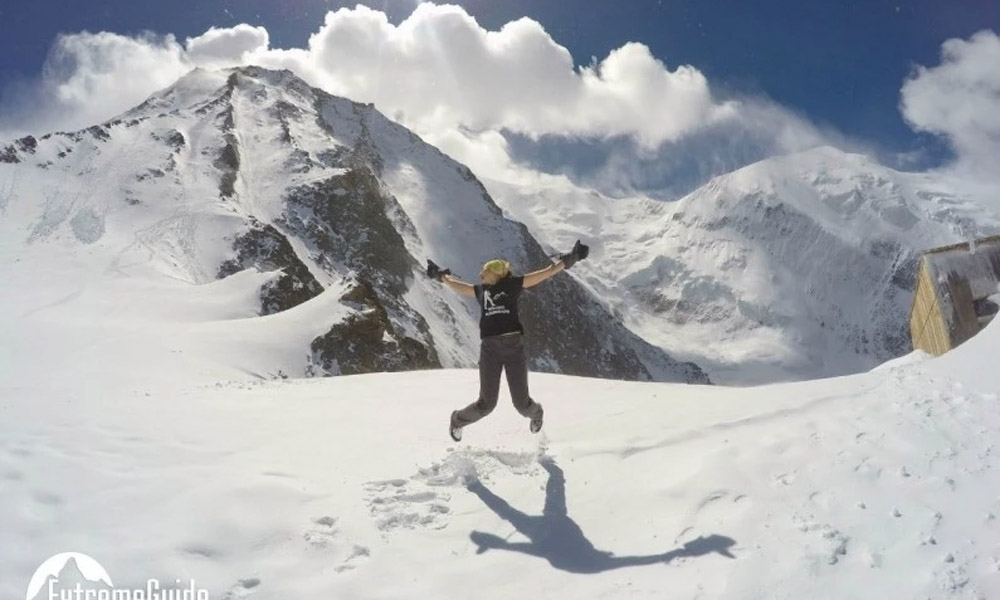
Rising majestically above the surrounding landscape, Mont Blanc stands as one of Europe’s most iconic peaks. Known for its striking white summit, it draws mountaineers, hikers, and nature enthusiasts from around the globe. The mountain’s dramatic presence has inspired countless tales of adventure, scientific study, and artistic expression over the centuries, making it a central symbol of the Alpine region.
Beyond its sheer beauty, Mont Blanc offers a glimpse into the geological forces that shaped the Alps. Its glaciers, ridges, and varied terrain provide both challenges and wonders for those who venture into its domain, whether for research, recreation, or simply the appreciation of nature’s grandeur.
In Which Country Is Mont Blanc Located?
Mont Blanc is part of the Mont Blanc Massif, a stunning range within the larger Alps system of Europe. The Alps extend across multiple countries, offering a remarkable mix of landscapes, climates, and ecosystems. Mont Blanc itself dominates the northern section of the massif, presenting a formidable presence amid snow-capped peaks and deep valleys.
The mountain straddles the border between France and Italy, with its summit traditionally recognized as lying on the French side. France claims the highest point, while Italy shares access through a network of valleys and alpine passes. This cross-border location has contributed to a rich cultural and mountaineering history, blending traditions from both nations.
Notable nearby towns that serve as gateways for visitors include Chamonix in France and Courmayeur in Italy. These towns have evolved into hubs for alpine tourism, offering facilities for climbers, skiers, and sightseers eager to experience Mont Blanc up close.
How Tall is Mont Blanc?
Mont Blanc rises to an elevation of approximately 4,808 meters (15,774 feet) above sea level, making it the tallest peak in the Alps. Its height can vary slightly over time due to the shifting snow and ice at the summit, as well as ongoing geological activity. This subtle fluctuation adds an element of intrigue for geographers, climbers, and adventure enthusiasts.
The mountain’s towering presence has made it a premier destination for mountaineers. Those preparing for climbing the Mont Blanc must plan meticulously, taking into account altitude, crevasses, and rapidly changing weather conditions. The ascent demands both physical endurance and careful logistical preparation, ensuring a safe and rewarding experience.
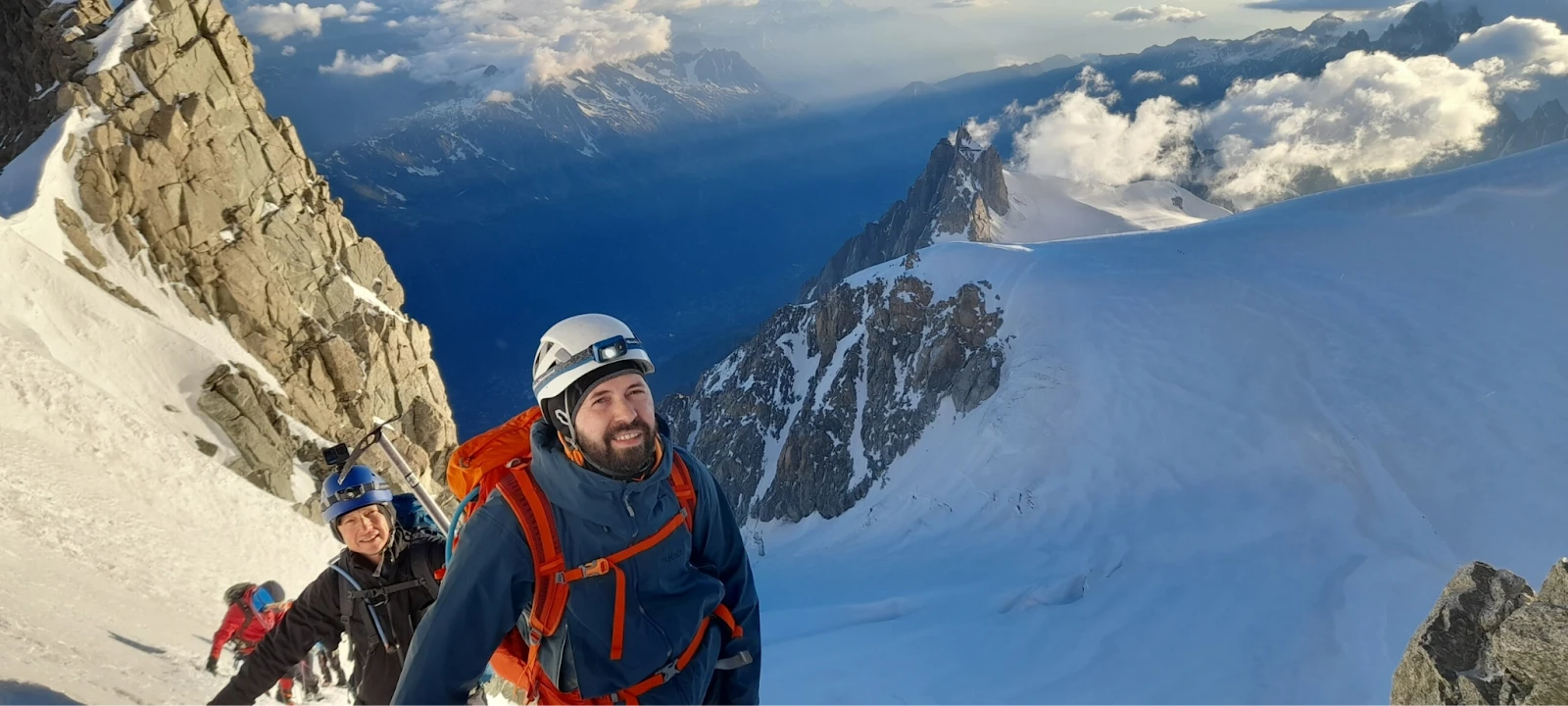
Visitors approaching the summit encounter diverse terrains, ranging from jagged ridges to expansive glaciers. The journey is considered a quintessential alpine adventure, offering breathtaking vistas and formidable physical challenges. Various routes exist to suit climbers of different skill levels, but all require respect for the mountain’s natural hazards and careful planning.
Beyond the climb itself, Mont Blanc’s environment serves as a living laboratory for studying alpine ecosystems. Glacial formations, endemic plant species, and rare wildlife contribute to the mountain’s reputation as both a natural wonder and a site of scientific research. The glaciers, in particular, act as sensitive indicators of climate change, providing valuable insights for researchers monitoring the Alpine environment.
Climbing and Exploration
The history of exploration on Mont Blanc stretches back centuries, with early ascents documenting both the physical and cultural challenges of the region. Modern mountaineering continues to honor this legacy, balancing adventure with safety and environmental stewardship. Climbers encounter a variety of routes, each offering distinct landscapes and technical difficulties.
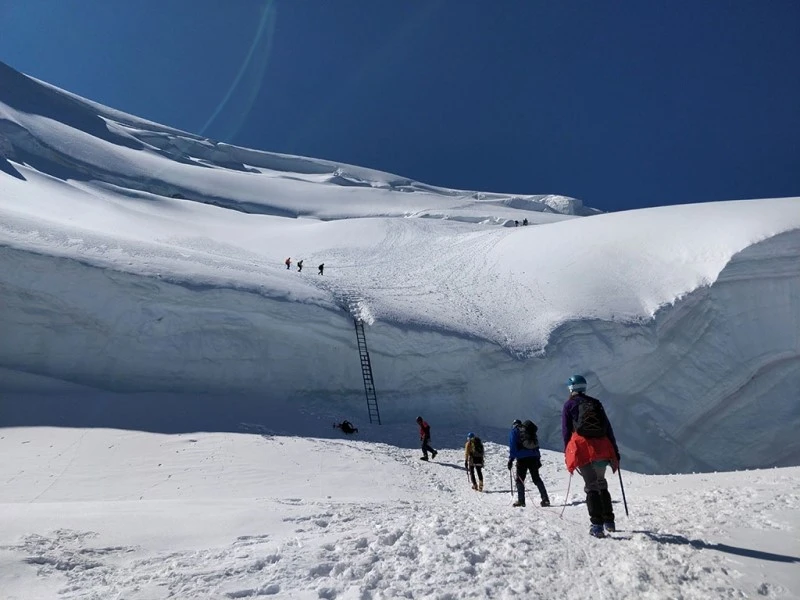
Some notable aspects of Mont Blanc climbs include:
- Classic routes such as the Goûter Route, favored for its relatively moderate technical demands.
- Challenging ice and rock faces, providing opportunities for advanced climbers to test their skills.
- Glacial travel, requiring knowledge of crevasse navigation and rope techniques.
- Seasonal variations, as conditions change dramatically from summer to winter.
- Support infrastructure, including refuges and guided services to aid in safe ascents.
These features highlight the blend of adventure, preparation, and respect necessary for mountaineering in this iconic alpine environment. Beyond physical challenge, the climbs also offer cultural insights and a deep connection to the historic mountaineering traditions of the region.
Natural Environment and Wildlife
Mont Blanc’s environment is remarkably diverse, encompassing glaciers, alpine meadows, and rocky outcrops. This variety supports a range of plant and animal species, some of which are unique to high-altitude ecosystems. The mountain acts as a refuge for wildlife and a source of inspiration for naturalists and photographers alike.
Some remarkable features of the Mont Blanc ecosystem include:
- Alpine flora such as edelweiss, gentians, and saxifrages that thrive in rocky soils.
- Fauna including ibex, chamois, marmots, and a variety of bird species adapted to extreme altitudes.
- Glacial landscapes that shape rivers, valleys, and habitats throughout the massif.
- Seasonal changes that dramatically alter the landscape, from snow-covered expanses to lush summer meadows.
- Conservation efforts aimed at preserving both biodiversity and the natural beauty of the region.
The combination of altitude, climate, and geography creates a fragile yet striking environment. Researchers continue to monitor ecological changes, contributing to broader understanding of alpine environments and their global significance.
Cultural and Historical Significance
Mont Blanc has long held a place in European culture, inspiring art, literature, and scientific study. The mountain’s imposing presence has influenced poets, painters, and writers, contributing to the romantic image of the Alps. In addition, Mont Blanc has played a pivotal role in the development of alpine mountaineering traditions.
The mountain’s history includes:
- Early ascents in the 18th and 19th centuries that documented climbing techniques and observations of the landscape.
- Alpine clubs and associations that promoted safe mountaineering and exploration.
- Scientific expeditions studying geology, meteorology, and glaciology.
- Tourism development in towns like Chamonix and Courmayeur, fostering cultural exchange and local economies.
- Literary and artistic works that depict the mountain’s grandeur and the human desire to explore nature.
Today, Mont Blanc continues to attract individuals seeking both physical challenge and a connection to the historic legacy of alpine exploration. Its cultural resonance endures alongside its natural prominence, making it a symbol of Europe’s mountainous heritage.

What Awareness Really Means in Fitness and Why Most People Get It Wrong

Premium Street Style Apparel at Tokyo Tiger

Opinioni-piattaforma-in-italia.it: A Complete and Trustworthy Guide for Italian Platform Reviews

The Future of Wearables: The Best Smart Ring from RingConn That Understands Your Body

Liposuction Abroad: Is the Cheaper Price Worth the Greater Risk?

Common Mistakes Traders Make With a Funded Account

Watching Amazon Prime on a Flight: Streaming vs Offline Viewing

What Are Double Wall Disposable Coffee Cups?

Roivenue: The Integrated Analytics Platform That Helps Brands Make Smarter Marketing Decisions

Where to Buy a Passport Online for Uninterrupted Global Travel

Who Is Marlene Knaus? The Untold Story of Niki Lauda’s First Wife

Jacqueline Bernice Mitchell: The Inspiring Story of Jerry Rice’s Ex-Wife

Curious About JOI Database? Read This First Before You Click Anything

Mickey Middleton: The Untold Story of Bryan Cranston’s First Wife

Where Is Barbara Boothe Now? Inside Her Life After Larry Ellison

Wendy Lang: Meet the Therapist Married to Cenk Uygur

Where Is Noelle Watters Now? Jesse Watters’ Ex-Wife’s Life After Divorce

Who Is Jasmine Williams? Meet Brad Williams’ Amazing Wife

Alisande Ullman Today: What Happened After Her Divorce from Leslie Nielsen?

Where Is Tanya Hijazi Now?: All About Rick James’ Former Wife
What Awareness Really Means in Fitness and Why Most People Get It Wrong
Premium Street Style Apparel at Tokyo Tiger
Opinioni-piattaforma-in-italia.it: A Complete and Trustworthy Guide for Italian Platform Reviews
The Future of Wearables: The Best Smart Ring from RingConn That Understands Your Body
Liposuction Abroad: Is the Cheaper Price Worth the Greater Risk?
Common Mistakes Traders Make With a Funded Account
Watching Amazon Prime on a Flight: Streaming vs Offline Viewing
What Are Double Wall Disposable Coffee Cups?
Roivenue: The Integrated Analytics Platform That Helps Brands Make Smarter Marketing Decisions
Where to Buy a Passport Online for Uninterrupted Global Travel
-
 Celebrity9 months ago
Who Is Marlene Knaus? The Untold Story of Niki Lauda’s First Wife
-
 Celebrity6 months ago
Jacqueline Bernice Mitchell: The Inspiring Story of Jerry Rice’s Ex-Wife
-
 Entertainment8 months ago
Curious About JOI Database? Read This First Before You Click Anything
-
 Celebrity7 months ago
Mickey Middleton: The Untold Story of Bryan Cranston’s First Wife