Connect with us

Lifestyle

The Subtle Trends Shaping Modern Facial Aesthetics

Published

on

The Subtle Trends Shaping Modern Facial Aesthetics
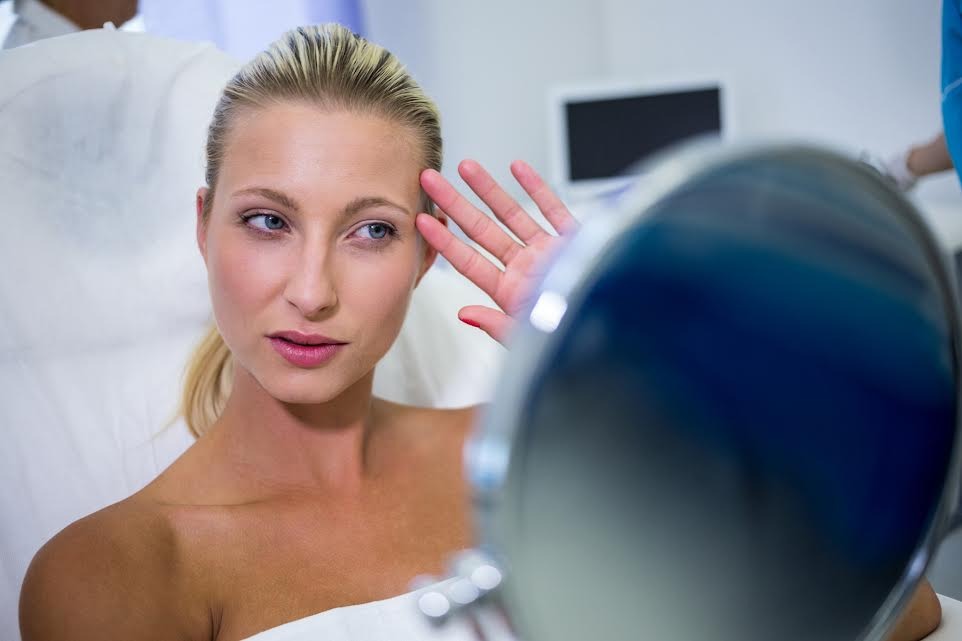
Facial aesthetic surgery has undergone a quiet revolution over the past decade. The obvious, over-treated look that once signalled wealth and access to cosmetic procedures has fallen dramatically out of favour. Modern aesthetic ideals prioritise subtlety—results so natural that observers simply think you look well-rested, healthy, or “good for your age” without identifying specific interventions. This shift affects how procedures are performed, what patients request, and which treatments gain popularity versus falling into disfavour.

Blepharoplasty—eyelid surgery addressing excess skin, fat deposits, and age-related changes around the eyes—exemplifies this trend toward naturalness perfectly. Whilst the procedure has existed for decades, how it’s performed has evolved dramatically. Early techniques often created obvious surgical appearances—overly hollowed eyes, pulled skin, or that distinctive “done” look. Contemporary blepharoplasty techniques prioritise preservation over removal, subtle enhancement over dramatic alteration, and maintaining individual facial character whilst addressing genuine concerns.

Understanding these evolving trends helps anyone considering blepharoplasty or other facial aesthetic procedures navigate modern options, communicate effectively with surgeons, and ensure outcomes align with contemporary aesthetic ideals rather than outdated approaches that might date you as obviously as the procedures they were meant to address.

From Removal to Preservation: The Technical Shift

Traditional blepharoplasty aggressively removed excess skin and fat, operating on the “less is more” principle. Surgeons excised whatever they deemed excessive, creating tighter, flatter eyelid contours. Results could be dramatic but often appeared overdone, particularly as faces continued ageing around surgically altered eyes.

Modern techniques embrace preservation and redistribution rather than simple removal. Fat previously excised is now often repositioned—moving orbital fat that creates upper eyelid fullness down to fill tear troughs, for instance. This addresses multiple concerns simultaneously whilst maintaining natural facial volume.

Skin removal has become more conservative. Rather than removing maximum possible excess, contemporary surgeons preserve adequate skin, maintaining natural eyelid movement and expression. Overly tight results limit blinking comfort and create unnatural appearances that modern aesthetics reject.

The “Refreshed” Look: Modern Patient Goals

Patient requests have evolved alongside surgical techniques. Twenty years ago, patients might request “as much as possible” removal or dramatic changes. Today’s patients typically request looking “refreshed,” “rested,” or “like myself but better”—vague descriptions that nonetheless communicate clear preferences for subtlety.

This shift partly reflects changing beauty standards but also responds to social media’s permanence. Obvious cosmetic procedures become a permanent record in digital photographs shared widely. The fear of being identifiably “done” in countless tagged photos motivates a preference for natural-looking results.

Professional contexts influence modern aesthetic preferences, too. In competitive business environments, looking too obviously “worked on” can create perceptions of vanity, insecurity, or misplaced priorities. Subtle improvements that simply make you look energetic and professional serve career advancement better than obvious interventions.

Blepharoplasty perfectly addresses modern goals. When performed skillfully, results are essentially invisible—colleagues assume you’ve been sleeping better, perhaps took a holiday, or started a new skincare routine. This plausible deniability appeals enormously to patients who want improvements without public commentary about “work.”

Personalisation Over Standardisation

Early aesthetic surgery often pursued standardised ideals—particular eye shapes, brow positions, or lid folds considered universally attractive. Modern approaches recognise beauty’s diversity, prioritising personalised outcomes, respecting individual facial features rather than imposing universal standards.

For blepharoplasty, this means careful assessment of ethnic variations in eyelid anatomy, respect for natural asymmetries within normal ranges, preservation of distinctive features that contribute to facial character, and outcomes appropriate for individual bone structure and facial proportions.

Asian blepharoplasty techniques exemplify this personalisation trend. Rather than creating Western-style double eyelids universally, surgeons offer a spectrum of options from subtle creases to more defined folds, allowing patients to choose results that align with personal aesthetic preferences whilst respecting ethnic features.

Similarly, blepharoplasty in older patients increasingly focuses on age-appropriate results rather than attempting to restore a youthful appearance completely. A 65-year-old should look like a well-rested 65-year-old, not an exhausted 45-year-old. This age-appropriate aesthetic produces more natural, sustainable results.

Minimally Invasive Options: When Less Surgery Achieves More

The trend toward subtlety has elevated minimally invasive alternatives to traditional blepharoplasty for appropriate candidates. Not everyone requires full surgical intervention—sometimes modest improvements through less invasive approaches deliver satisfactory results.

Non-surgical blepharoplasty using plasma devices can tighten mild excess skin without incisions. Results are modest compared to surgery but appeal to patients with minimal concerns, who are unwilling to pursue full procedures.

Laser resurfacing addresses skin texture and mild laxity around the eyes without removing tissue. Combined with strategic filler placement addressing hollowing, some patients achieve meaningful improvements, postponing or potentially avoiding surgical blepharoplasty.

Injectable treatments cannot replicate surgical results for significant excess skin or prominent fat deposits. However, for borderline cases, trying non-surgical approaches first makes sense—if results satisfy, you’ve avoided surgery; if inadequate, you haven’t lost anything beyond treatment costs and can still pursue surgery later.

This stepped approach—exhausting conservative options before progressing to surgery—aligns with modern preference for minimum effective intervention rather than maximalist “might as well do everything now” attitudes.

The Role of Photography and Social Media

Instagram, FaceTime, and constant photography have paradoxically increased both demand for aesthetic procedures and preference for natural results. People see themselves in photographs more than any previous generation, noticing asymmetries and ageing signs that reflection viewing didn’t emphasise.

However, social media also means cosmetic results are permanently documented and widely shared. The obvious “work” that might have been acceptable when seen only by close contacts becomes problematic when immortalised in countless digital images.

This creates interesting tension—procedures are more visible than ever, whilst simultaneously needing to be invisible. Blepharoplasty addresses this perfectly when performed skillfully, creating photogenic eyes without obvious surgical markers.

Surgeons increasingly consider photographs during consultations, assessing how patients appear in images versus in person. Sometimes concerns are primarily photographic—harsh lighting emphasising shadows or angles emphasising asymmetries barely noticeable face-to-face. This influences treatment planning toward photo-friendly results.

Looking Forward: Emerging Trends

Several emerging trends suggest where blepharoplasty and facial aesthetics are generally heading. Combination procedures addressing multiple facial areas simultaneously for harmonious results rather than isolated interventions are increasingly common. Blepharoplasty might combine with brow lifts, midface treatments, or non-surgical procedures for comprehensive rejuvenation, maintaining natural proportions.

Regenerative techniques incorporating PRP, stem cells, or growth factors alongside traditional surgery aim to enhance healing and potentially improve outcomes through biological augmentation of surgical techniques.

Customisation through 3D imaging and AI-assisted planning promises increasingly personalised surgical plans, predicting outcomes and allowing patient input before procedures begin.

The overarching trend, however, remains subtle. As techniques advance, the paradox of aesthetic surgery intensifies—more people pursuing procedures whilst results become increasingly invisible. For patients, this evolution means better outcomes, aligning with the desire to look better without looking “done.” For surgeons, it demands higher skill levels, creating natural results requiring greater artistry than obvious alterations ever did.

Blepharoplasty’s evolution from aggressive tissue removal to subtle, preservation-based enhancement exemplifies modern facial aesthetics’ direction—toward naturalness, personalisation, and results that enhance rather than alter fundamental facial character. This benefits everyone pursuing aesthetic procedures whilst maintaining an authentic appearance reflecting who they actually are, rather than conforming to standardised, obviously artificial ideals.

Continue Reading

Categories

Trending

You cannot copy content of this page