
Connect with us

Guide

Waste Reduction Starts in Procurement, Not in Bins

Published

on

Waste Reduction Starts in Procurement, Not in Bins
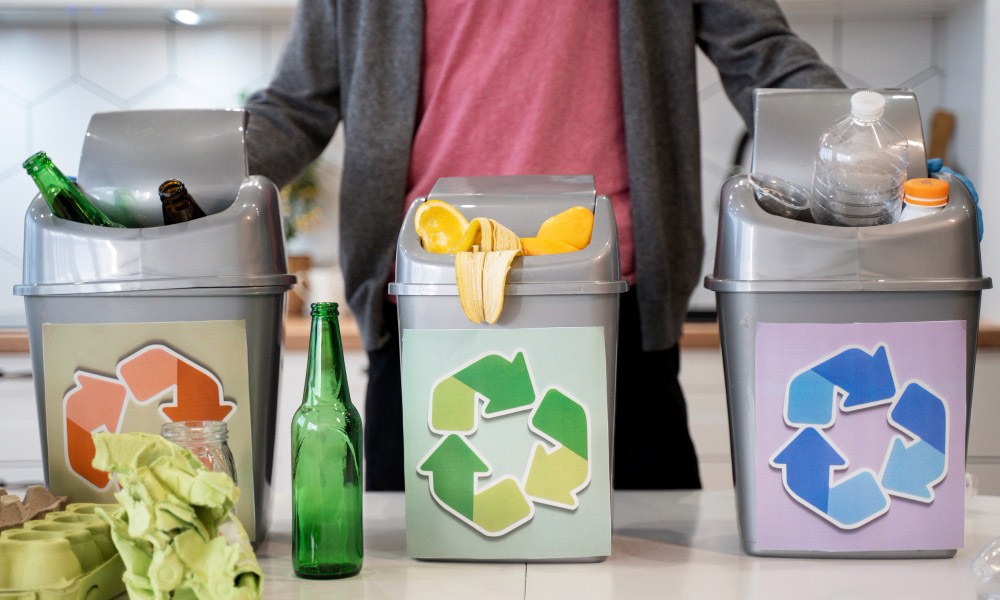
Most waste chats happen at the bins. How full are the skips. How often collections happen. How much “general waste” costs this month. That is where the problem shows up, but it is rarely where it starts.

Waste starts at the buying decision. Procurement controls what arrives on site, how it is packed, how often it gets damaged, and what you have to throw away. If you want to cut waste volumes and landfill, you need to change what you accept from suppliers, not just how well people sort waste at the end.

A waste management company like Telcoss can help you measure what is leaving site, but the biggest wins usually come from stopping the waste from arriving in the first place.

Procurement choices that quietly create waste

Every delivery includes packaging you did not ask for directly. If your purchase orders do not set packaging rules, suppliers pick what is easiest for them. That can mean:

  • Too much plastic film and bagging
  • Mixed materials that are hard to recycle
  • Weak packaging that causes damaged stock and scrap
  • Random pallet types that break or stack badly

The bins reflect these choices. They do not create them.

Packaging specs: tell suppliers what “acceptable” looks like

A packaging spec does not need to be complicated. It should answer four practical questions:

  • How should the item be protected so it does not arrive damaged
  • What materials are preferred
  • What materials are not acceptable
  • How should packaging be separated on arrival

Example: small components arrive in five individual plastic bags inside a box. If you receive 500 kits a week and each kit uses 15 g of plastic film, that is 7.5 kg per week. About 390 kg a year. Often that film ends up in general waste because it is messy to collect.

A simple spec change can cut that down:

  • One inner bag per kit, not individual bagging
  • Outer packaging must be recyclable cardboard
  • No foam unless justified

This reduces waste and speeds up unpacking.

Returnable transit packaging: stop generating the same waste every week

Single use packaging is waste you pay for twice. Once when you buy the product, again when you dispose of the packaging.

Returnable transit packaging replaces the constant stream of cardboard and plastic with reusable crates, totes, and pallet boxes. It works best when deliveries are regular and predictable.

Simple numbers: if cartons add up to 250 kg of cardboard per week, that is 13 tonnes a year. Switch to returnable crates and you remove most of that weight, plus you reduce handling time and bin space pressure. In many cases you also reduce collections because containers fill more slowly.

Supplier take back: if they bring it, they take it

Take back works well for:

  • Pallets and pallet collars
  • Drums and IBCs
  • Specialist inserts and dunnage

The key is to make it routine, not optional. Build it into delivery terms:

  • What must be taken back
  • How you will store it
  • How quickly it must be collected, for example within 7 days or with next delivery

This prevents the “temporary pile” in the yard that turns into waste wood, mixed waste, or a fire and trip risk.

Pallet standards: reduce damage and stop pallet chaos

Pallets are one of the biggest avoidable waste streams on industrial sites. The fix is a clear standard that suppliers must follow:

  • Approved pallet type, such as a defined four way pallet or EPAL
  • Minimum condition, no broken boards, no protruding nails
  • No overhang and safe stacking rules

Why this matters for waste: poor pallets cause damaged deliveries. Damaged stock becomes scrap. Scrap becomes waste. Even a small reduction in damage can be worth more than a whole recycling project.

If weak pallets lead to just one damaged pallet of product per week and that pallet is worth £500, that is £26,000 a year. Even if only part of that ends up as landfill, the waste link is obvious.

Bulk delivery: fewer containers, fewer waste problems

Bulk delivery is one of the easiest ways to cut packaging.

  • Switch from many small solvent cans to IBCs
  • Use bulk sacks for powders instead of multiple bags
  • Pump product into tanks where possible

Example: 2000 litres a month in 25 litre cans means 80 cans. That is 80 contaminated containers you need to store and dispose of. Switch to two 1000 litre IBCs and you cut the container count from 80 to 2. That means less handling, less storage, fewer labels, and fewer collections linked to packaging waste.

Product and spec choices: stop creating scrap

Procurement affects waste through the spec, not just packaging.

  • Standardise sizes to reduce offcuts
  • Set tolerances that reflect real manufacturing capability
  • Choose materials that can go into existing recycling streams
  • Design parts to be repaired, not binned

If you use 10 tonnes of material a month and scrap is 5 percent, that is 500 kg of waste. Reduce scrap to 3 percent and you save 200 kg a month, 2.4 tonnes a year, plus the cost of the material.

A supplier packaging policy that is realistic

Keep it short and usable. A good policy usually fits on two pages and includes:

  • Preferred and banned materials
  • Pallet standard and condition rules
  • Expectation of minimal packaging that still prevents damage
  • Returnable packaging and take back expectations
  • A simple exceptions process so suppliers can flag genuine needs
  • A way to measure progress, such as packaging weight per delivery or collections avoided

Avoid writing a policy that no one can enforce. Start with the biggest, most frequent deliveries.

Roll it out without burning relationships

You get better results by working with suppliers, not lecturing them.

A sensible rollout:

  1. Start with your top ten suppliers by volume.
  2. Share the practical problem: too many collections, too much landfill, too much damage.
  3. Ask for options and run a pilot on one product line.
  4. Measure results for a month and only then lock it into contracts and POs.

Bring your waste data to the conversation. A waste management partner such as Telcoss can support this by reporting what is leaving site, so procurement can see the impact of changes in simple terms, like fewer general waste lifts and lower disposal weight.

Waste reduction does not start with bins. It starts with what you buy, how it arrives, and what you expect suppliers to do. Change those inputs and the waste problem shrinks on its own.


Continue Reading

Categories

Trending