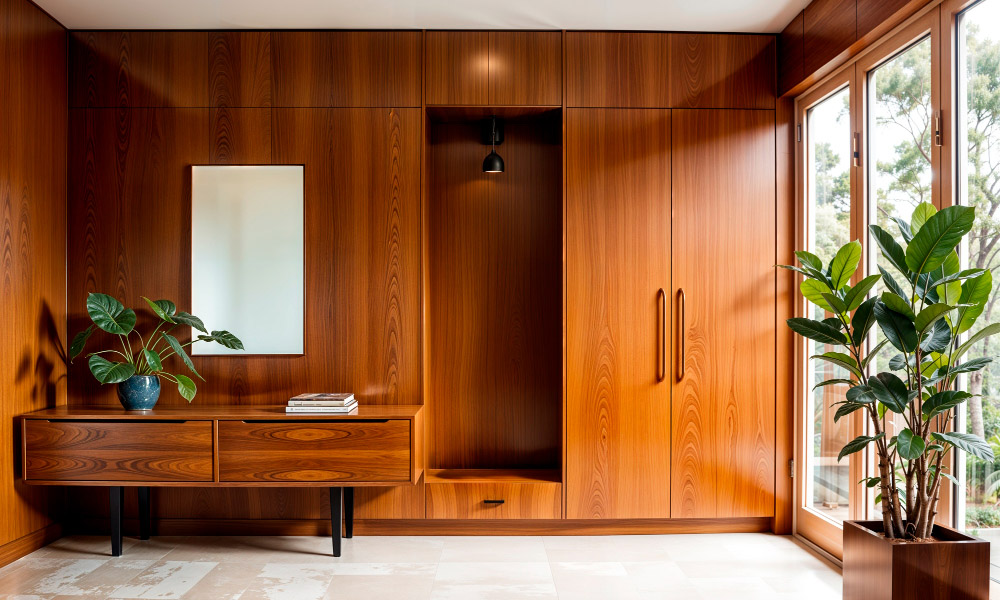
People rarely link their furniture to their health, yet materials influence how air moves, how surfaces respond to touch, and how the body feels after hours of sitting or working. The decision between wood and plastic quietly shapes daily routines. Wood carries physical traits rooted in natural structure while plastic behaves according to manufactured chemistry. These contrasting properties create clear differences in long term comfort, indoor quality, and sensory stability. Understanding these differences gives a clearer view of why wood supports healthier living spaces.
A material’s origin influences how it behaves inside a home. Wood begins as a biological structure that continues to interact with its surroundings. Plastic begins as a synthetic compound shaped by heat and additives. Each carries environmental behaviours that matter once the furniture enters a room. People often notice the visual difference without recognising the long term effects that accumulate over months and years. Those effects form the basis for comparing wood and plastic through a health lens.
How Wood Interacts With Indoor Environments
Wood supports balanced indoor air because its cells respond to moisture in predictable ways. It absorbs or releases small amounts of humidity and keeps air movement gentle. This silent regulation reduces the dryness or stickiness that often appears in sealed rooms. The effect does not replace ventilation, yet it contributes to a more stable environment for breathing and long periods of stay. Many traditional interiors used wood heavily because it contributed to indoor comfort through these natural interactions.
Surface temperature plays another important role. Wood stays closer to the surrounding air temperature, which helps the body when gripping, leaning, or resting. Plastic on the other hand heats quickly under sunlight and cools rapidly in colder rooms. These temperature swings can create discomfort during daily use. Children often prefer touching wooden furniture because the surface feels calm and steady rather than abrupt or artificial. Adults respond subconsciously to similar cues.
Wood also limits static charge. Static build up on plastic furniture can attract dust and create small shocks when touched after movement. These shocks may not be dangerous, yet they interrupt comfort and increase dust accumulation in tight spaces. Wood contains natural moisture that counters static electricity. As a result, wooden surfaces collect fewer airborne particles and maintain a cleaner feel during routine use.
The tactile quality of wood influences behaviour as well. People work more comfortably on surfaces that feel stable under pressure. Wooden chairs, shelves, and dining tops encourage measured movement because the material gives clear feedback. Plastic often bends slightly or vibrates when pressured, which disrupts posture and balance. Over time these small disruptions shape habits, from the way elbows rest during writing to the way children climb or lean during play.
How Plastic Influences Indoor Air Quality
While wood contributes mild and predictable effects to air, plastic introduces compounds shaped by chemistry. Many plastic furniture products rely on polymers that release volatile organic compounds into the air. These compounds evaporate slowly over time and increase in warm rooms. People may notice a strong scent from new plastic furniture. That scent often signals the release of chemical traces that continue for months, even when the smell fades.
Sunlight accelerates these reactions. When plastic warms, additives move toward the surface and evaporate more easily. Homes with large windows or strong artificial lighting may experience faster degradation of plastic pieces. Over years, sunlight creates brittleness, colour changes, and surface cracking. Cracks collect dust and make cleaning difficult. These same cracks release micro fragments that circulate through the room.
Cleaning chemicals influence plastic as well. Surface disinfectants can break down plastic coatings and release additional substances. This behaviour creates a small but consistent burden on indoor environments. People may not notice the interaction at first, yet the cumulative effects appear in the form of haze on the surface, stickiness, or fine particles that settle in corners.
Plastic also traps heat. When a plastic chair or shelf holds electronics or warm items, its temperature rises above the comfort level of wood. Heat accelerates all chemical reactions occurring within the plastic. This feedback loop continues as long as the piece remains warm. Houses and offices filled with plastic furniture often show higher levels of suspended particles, particularly in still air near windows or vents.
PVC and other common plastics can contain plasticisers. These substances keep the plastic soft and pliable but are known to migrate into their surroundings. Furniture placed in children’s rooms or bedrooms may release higher levels due to frequent contact and variable temperatures. Wood has no comparable behaviour. Its emissions are minimal, predictable, and often related to natural compounds like terpenes that stabilise quickly.
How Wood Ages With Use
Wood develops a smoother surface with time. Oils from the hands polish the grain in a way that enhances stability. The surface retains structure even after decades. When tiny scratches appear, they usually blend into the grain rather than create sharp edges or unpredictable fragments. This ageing process aligns with natural wear rather than resistance-based degradation. People often describe older wooden furniture as calmer or more grounded because the material settles rather than breaks down.
Wood also holds strength well. Chair legs, table tops, and shelves maintain their load capacity even after years of use because the material’s internal fibres remain aligned. Repairs are straightforward. A loose joint can be tightened. A worn finish can be sanded and resealed. Wood responds to maintenance in a predictable way because its structure remains intact through repeated cycles of use.
Plastic ages differently. Exposure to heat or sunlight leads to oxidation. The surface becomes chalky or brittle. When stress is applied to these weakened areas, plastic snaps or peels. Breaks produce small shards and irregular edges. These fragments may collect on floors or dissolve into micro particles. Older plastic furniture often becomes unpleasant to touch due to uneven temperature transfer and inconsistent surface texture.
Wood does not shed particles in the same way. When damage occurs, it usually appears as a dent or a fibre shift rather than a break that releases tiny pieces. The health impact becomes clear when comparing long term wear. A room filled with ageing wood remains structurally stable and clean. A room filled with ageing plastic becomes a site of constant light degradation, especially when exposed to warm conditions.
The Body Responds Better to Wood Than Plastic
Posture is influenced by furniture more than people realise. Wood supports posture because it provides stable resistance. A wooden chair maintains height and firmness under weight. It keeps the spine aligned because it does not bend unpredictably. Small posture improvements accumulate over years of sitting and standing. This matters for both adults and children.
Plastic furniture often bends slightly under weight. The bending may feel comfortable at first, yet it changes hip angle, shoulder position, and arm placement. Long periods of sitting on such surfaces affect back and neck positioning. Children may slump more easily on plastic chairs because the surface responds inconsistently to movement. These shifts encourage habits that later require correction.
Grip and pressure also behave differently. Wood distributes pressure evenly. Plastic focuses pressure in narrower zones because the surface flexes or curves in ways that differ from the body’s natural alignment. For people who work long hours at desks or dining areas that double as study spaces, wood provides a more stable platform.
Sound behaviour matters as well. Wood reduces sound bounce, creating quiet rooms that feel calmer. Plastic reflects sound sharply and increases background noise. Large spaces with plastic chairs or lightweight plastic shelving create noise that interferes with concentration. Wood contributes to a balanced sound environment because its fibres absorb certain frequencies naturally.
Wood holds weight without wobbling. Shelves remain steady when items are added or removed. Plastic shelves shift slightly as they bend, which encourages users to move cautiously around them. These small behavioural adaptations add to mental load during ordinary tasks.
Heat transfer influences comfort. Wood remains comfortable to touch across temperature changes. Plastic may feel hot in summer or cold in winter. People instinctively avoid surfaces that shock the skin. Over time these avoidance habits shape how rooms are used, how often people sit in certain areas, and how long they remain engaged in work or conversation.
Daily Routines Reveal the Health Difference
Many daily activities take place around furniture. Meals, work, reading, and play depend on surfaces that hold the body or objects. Wood supports these routines by staying predictable across seasons. Families often notice this difference around dining areas, especially when both materials exist in the same home. Wooden dining sets feel more grounded and stable during repeated use. In contrast, plastic versions may wobble slightly or shift when plates or cups are moved quickly.
Wood also reduces sensory fatigue. The grain, mass, and temperature of wooden surfaces promote a calmer environment for concentration. Children completing homework at wooden desks show fewer interruptions linked to discomfort or shifting surfaces. Adults working long hours experience fewer micro adjustments caused by instability or inconsistent temperature under the wrist and arms.
The emotional response to wood contributes indirectly to health. Natural materials promote a sense of connection to the physical environment and reduce the mental strain that often appears in synthetic surroundings. Many workplaces that incorporate wooden elements report calmer staff behaviour and more stable concentration patterns. The choice of material influences mood even when people do not consciously register it.
Storage areas also reveal the difference. Wooden shelves maintain shape under weight, which supports predictable organisation. Plastic shelves sag in the middle over time, especially under books or heavy boxes. Sagging leads to reorganising, shifting, and unnecessary effort to maintain order. However minor those tasks may seem, they contribute to the daily workload of managing a home.
Wooden furniture also handles heat from electronics more safely than plastic. A wooden desk supporting a laptop or monitor remains structurally stable and avoids temperature spikes that degrade air quality. Plastic desks may warm significantly under electronics, accelerating chemical release. People who work from home notice the difference particularly in smaller rooms where airflow is limited.
The difference becomes even more apparent in hospitality settings. Cafes, bistros, and dining spaces that rely on wood tend to create cleaner and more stable environments for both staff and customers because the material handles repeated use with predictable behaviour. In such settings, even small details like the feel of restaurant tables influence comfort and posture during meals.
The Lifecycle Impact on Health and Surroundings
A material’s lifecycle continues long after purchase. Wood can be refinished, repaired, or repurposed. These actions reduce waste and limit exposure to degraded materials. A scratched wooden table can be resurfaced. A worn chair can be strengthened. Each repair extends the life of the piece without introducing new chemical loads to the environment.
Plastic repairs are limited. Once a plastic part cracks, the structure weakens in ways that are difficult to reverse. The cracked surface may not break fully yet still releases fragments that circulate in the air. Replacing the item becomes the standard solution. This replacement cycle increases waste and introduces more synthetic material into the room.
Disposal also affects health indirectly. Wood biodegrades naturally. Plastic accumulates in landfills and slowly breaks down into smaller pieces. Even if disposal occurs far from the home, the environmental impact eventually circles back through air, soil, and water. Choosing wood contributes to a healthier ecosystem that supports cleaner living conditions on a larger scale.
A Future Built Around Healthier Interiors
Homes and workplaces have begun shifting toward healthier interiors. Growing awareness of air quality, posture, and long term comfort pushes people to reconsider the materials they bring into their living spaces. Wood aligns with these priorities because it behaves predictably, ages gracefully, and contributes to a calm and stable environment.
Designers now integrate more wood into communal rooms, schools, offices, and medical settings. They recognise the long term benefits of placing natural materials in places where people sit, breathe, and relax for extended periods. The shift reveals a broader understanding of health that includes sensory balance, emotional grounding, and long term exposure to stable materials.
Parents also reconsider furniture choices for children’s rooms. Wooden desks, beds, and storage units contribute to consistent posture, calmer colours, and longer lasting structures. The benefits accumulate as children grow. Stable environments support stable habits. In contrast, plastic pieces often need early replacement, leading to disruptions and repeated readjustment of the room.
Workplaces reflect similar patterns. Companies that prioritise employee wellbeing adopt materials that reduce sensory overload and promote steady concentration. Wooden furniture supports these objectives by maintaining comfort across long work sessions.
A Healthy Material For Daily Living
Wood promotes healthier homes because it interacts gently with air, remains stable under daily use, and ages in a way that aligns with the body’s physical needs. Plastic introduces compounds, micro fragments, and unpredictable wear patterns that create small burdens over time. The contrast becomes clear when examining posture, sound, temperature, maintenance, and indoor air quality. People who choose wood notice subtle improvements that accumulate into long term comfort.
The health advantages of wood arise from biology, structure, and predictability. Those qualities support steady behaviour and reduce environmental stress inside a room. As awareness grows, more households and workplaces recognise the value of investing in materials that contribute to healthier everyday living. Wood remains one of the most reliable and human centred materials in furniture design, offering a healthier foundation for the spaces people use daily.