
Connect with us

Games

Why Simplicity Plays a Bigger Role in Miniature Painting Than Most Players Expect

Published

on

Why Simplicity Plays a Bigger Role in Miniature Painting Than Most Players Expect
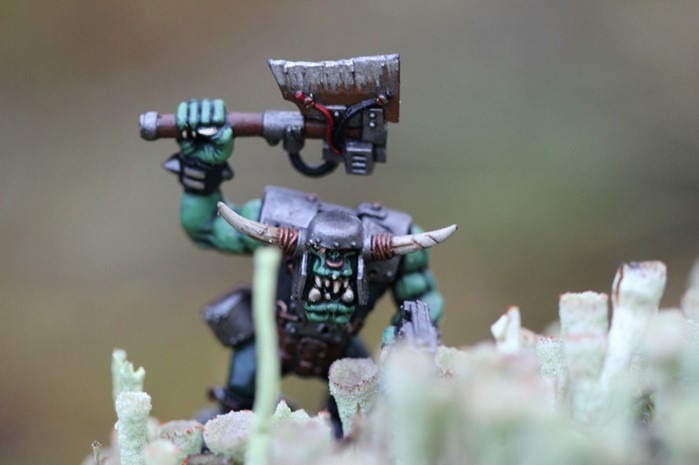
Miniature painting is often framed as a test of patience, precision, and artistic ambition. New players are quickly exposed to showcase models, advanced techniques, and complex color schemes that can make the hobby feel intimidating from the outset. Yet for many hobbyists, long-term enjoyment does not come from mastering every advanced technique early on. It comes from building momentum. Choices that reduce friction at the beginning, including starting points often discussed around topics like the easiest Warhammer 40k army to paint, tend to shape whether someone sticks with miniature painting at all. Simplicity, far from being a compromise, is often the foundation that allows creativity and skill to grow over time.

This dynamic is not unique to Warhammer 40k, but the scale and detail of its miniatures make it especially visible. Understanding why simplicity matters can help players approach painting with healthier expectations and more sustainable habits.

The Myth That Complexity Equals Quality

One of the most persistent misconceptions in miniature painting is that complexity automatically leads to better results. Highly detailed models with layered highlights, advanced shading, and intricate freehand work dominate online galleries and social media. While these techniques are impressive, they represent a small fraction of painted armies actually used on tabletops.

For most players, complexity at the wrong stage creates pressure rather than progress. When every miniature feels like a high-stakes project, painting becomes slow and mentally exhausting. Simpler approaches allow painters to finish models, see progress, and build confidence before tackling more advanced techniques.

Early Momentum Matters More Than Perfect Results

Finishing models is a powerful motivator. Seeing completed units on the table reinforces a sense of progress that no tutorial video can replace. Simplicity accelerates this feedback loop.

When schemes are straightforward and techniques manageable, painters move from assembly to tabletop faster. This momentum helps turn painting into a habit rather than an occasional obligation. Over time, repetition naturally improves brush control, color placement, and decision-making, often more effectively than studying advanced techniques without practice.

Cognitive Load in Creative Hobbies

Miniature painting demands constant micro-decisions. Color selection, brush pressure, layering order, and detail prioritization all compete for attention. For beginners, this cognitive load can quickly become overwhelming.

Simplicity reduces decision fatigue. Limited color palettes, forgiving techniques, and clear visual goals free mental space. Painters can focus on learning core skills instead of juggling too many variables at once. This approach aligns with broader research in learning theory, where reducing cognitive load improves skill acquisition and retention.

Why Simpler Schemes Age Better

Interestingly, simpler paint schemes often age better over time. Highly complex styles can feel dated as trends change or as a painter’s tastes evolve. Clean, restrained schemes tend to remain visually cohesive even years later.

This longevity matters in army-based games like Warhammer 40k, where models may be used across multiple editions. Simplicity provides flexibility, allowing painters to add detail later without clashing with earlier work.

The Tabletop Perspective

Miniatures are rarely viewed under ideal lighting from inches away. On the tabletop, readability matters more than microscopic detail. Clear contrasts, defined shapes, and consistent color choices often read better at gaming distance than overly intricate work.

Simplicity supports this clarity. When models are easy to read, games flow more smoothly, and visual fatigue is reduced. This practical aspect is often overlooked by painters focused exclusively on display standards rather than gameplay experience.

Skill Development Through Repetition

Advanced painting techniques are built on fundamentals. Clean basecoats, controlled washes, and consistent highlights form the backbone of nearly every style. Simpler projects allow these fundamentals to be practiced repeatedly.

Repetition is essential. Painting ten models with a simple scheme teaches more transferable skills than struggling through one overly complex centerpiece. Over time, muscle memory develops, and confidence grows. Complexity can then be added intentionally rather than reactively.

Burnout and Hobby Drop-Off

Many players enter miniature painting with enthusiasm only to stall after a few models. Burnout is common, especially when expectations are set too high early on. Unfinished armies pile up, and the hobby starts to feel like a source of guilt rather than enjoyment.

Simplicity helps prevent this cycle. Achievable goals reduce frustration and keep the hobby accessible. According to insights shared by Games Workshop’s own hobby team, steady progress and enjoyment are key factors in long-term engagement with the Warhammer hobby, particularly for newer players.

Simplicity Does Not Mean Lack of Creativity

Choosing simplicity does not eliminate creativity. It redirects it. Limited constraints often encourage more thoughtful choices. Painters experiment with texture, weathering, or subtle color variation within a controlled framework.

Many experienced hobbyists deliberately return to simpler styles after years of complexity, valuing efficiency and cohesion over technical excess. This shift reflects maturity rather than limitation.

Progression Happens Naturally

One of the advantages of starting simple is that progression happens organically. As painters become comfortable, curiosity drives experimentation. New techniques are added one at a time, integrated into an existing foundation rather than layered on top of confusion.

This progression feels rewarding rather than forced. Skills develop in response to interest and readiness, not pressure.

Redefining Success in Miniature Painting

Success in miniature painting is often framed as reaching a certain technical standard. A more sustainable definition is consistency, enjoyment, and continued participation in the hobby. Simplicity supports all three.

Painted models on the table represent time invested, skills learned, and games played. They reflect engagement rather than comparison. When simplicity is valued, the hobby becomes more inclusive and more resilient.

A Stronger Foundation for the Long Term

Miniature painting is a long game. Armies evolve, skills deepen, and tastes change. Starting with simplicity provides a stable foundation that supports this evolution rather than hindering it.

For many players, the most important realization is that painting does not need to be difficult to be meaningful. By embracing simplicity early, painters create space for growth, experimentation, and enjoyment, ensuring that the hobby remains something they return to not out of obligation, but out of genuine interest and satisfaction.

Continue Reading

Categories

Trending

You cannot copy content of this page