
Connect with us

Home Improvement

Why Your Roof Is Aging Faster Than Your House

Published

on

Why Your Roof Is Aging Faster Than Your House
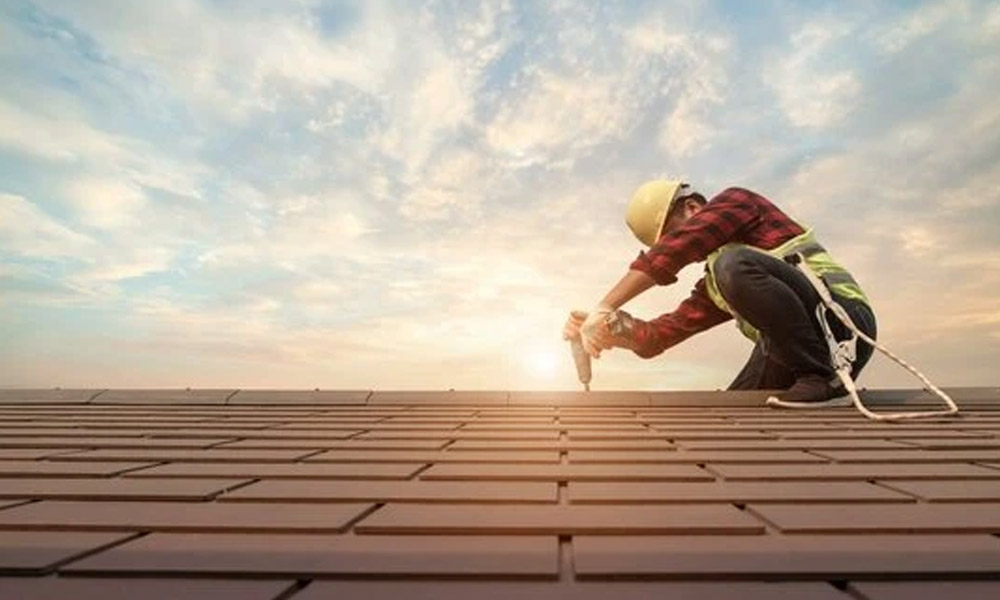
The Hidden Forces Breaking Down Your Roof

Your home might look solid, steady, and well-maintained, but your roof could be aging at a much faster pace than the rest of the structure. Roofs endure constant exposure to weather, temperature shifts, moisture, and wear that no other part of your home deals with. Even when everything looks fine from the ground, slow deterioration happens in ways most homeowners never see. Over time, these small stresses add up, making the roof age prematurely and forcing expensive repairs years earlier than expected.

This is why understanding the real causes behind accelerated roof aging matters. The issues aren’t always obvious, and by the time the signs show on the surface, the underlying damage is already advanced. For homeowners considering help from a Manhattan Ny Contractor, spotting these early warning signals is key to preventing big surprises later.

Sun Damage: The Silent Roof Killer

Sun exposure is one of the most powerful forces working against your roof. UV rays hit shingles every single day, weakening the asphalt and breaking down protective granules. Over time, shingles lose flexibility, crack more easily, and no longer shed water the way they’re designed to.

Heat plays into this aging process too. Dark roofs absorb sunlight, pushing attic temperatures upward and causing shingles to expand and contract. This constant movement weakens seals, loosens nails, and opens up pathways for moisture. The damage happens slowly but relentlessly.

Ventilation Problems That Cook Your Roof from Inside

Ventilation is one of the most overlooked factors in roof health. When airflow in your attic is restricted, heat builds up. In the summer, attic temperatures can soar far beyond outdoor temperatures. That heat radiates upward, literally cooking the underside of your shingles.

Poor ventilation leads to:

  • Shingle blistering
  • Shortened roof lifespan
  • Higher energy bills
  • Condensation and mold in the attic

This internal heat accelerates roof aging dramatically, especially in homes with older or clogged vents.

Moisture: The Root of Major Roof Problems

Moisture doesn’t need to be dramatic to be destructive. Roofs age faster when moisture settles into the materials quietly and repeatedly. Even without active leaks, small gaps around flashing, vents, and nail holes allow water intrusion over time.

Signs of long-term moisture damage include:

  • Sagging roof decking
  • Visible wood rot
  • Mold growth
  • Stained attic insulation

Even seasonal freeze-thaw cycles worsen the damage, as frozen moisture expands and breaks down materials from the inside.

Poor Installation: The Hidden Flaw You Don’t Discover Until Years Later

A roof can look perfect on day one and still fail years earlier than it should if installed incorrectly. Hidden installation mistakes accelerate aging more than any storm or weather pattern.

These mistakes include:

  • Improper shingle alignment
  • Incorrect nailing
  • Poor flashing around penetrations
  • Missing underlayment
  • Incorrect ventilation setup

Homeowners usually don’t realize the issue until they face unusually early failures—curled shingles, leaks, drafts, or water stains.

Storm Damage That Doesn’t Look Like Damage

Storms leave behind more than broken shingles. Wind may loosen shingles without tearing them off. Hail can bruise roofing materials without puncturing them. Heavy rains can push moisture under weak points.

The problem? Much of this damage is invisible from the ground.

Months—or years—after a storm, the hidden damage reveals itself through leaks or interior water stains. By then, roofing materials have already aged far beyond their expected performance.

The Impact of Neglected Maintenance

Roofs require maintenance just like everything else in the home. Without regular checks, small issues turn into fast-aging hazards.

Neglect leads to:

  • Loose shingles that lift in the wind
  • Clogged gutters that force water under shingles
  • Dirty soffit vents blocking airflow
  • Flashing deterioration
  • Granule loss from algae or debris buildup

Homeowners often don’t notice these issues until they’ve already weakened the roof’s structural integrity.

Moss, Algae, and Organic Growth

Moss and algae thrive in damp, shaded areas. While they may seem cosmetic, they trap moisture against shingles. Over time, this moisture softens the roofing material, accelerates granule loss, and widens gaps where water can enter.

Shingles under heavy moss growth age at twice the normal rate. Algae streaking also signals moisture imbalance that shortens roof lifespan.

Poor Insulation That Pushes Heat Upward

Insulation doesn’t just keep your home warm—it plays a huge role in roof longevity. When insulation is insufficient or uneven, heat escapes upward. This warms shingles from below and contributes to premature aging.

Too much indoor heat reaching the roof increases:

  • Thermal expansion
  • Shingle cracking
  • Attic condensation
  • Ice dam formation in winter

All these conditions reduce the roof’s long-term durability.

Roofing Materials with Short Lifespans

Not all roofs are created equal. Lower-quality materials age faster, even in mild climates. Shingles vary in durability, impact resistance, and UV resilience. Homes built with budget materials are more likely to experience early failure.

Even with ideal maintenance, lower-grade shingles simply don’t last as long as modern or premium options.

Shifting Home Structures and Settling

Homes settle over time, causing slight shifts in the roofline. These movements create stress points where shingles may separate or flashing may detach. Eventually, small structural shifts can lead to cracked materials, small gaps, and alignment issues that encourage water intrusion.

This subtle movement happens slowly—but its effects show up years later as fast-aging roof components.

How to Slow Down the Aging Process

Aging isn’t avoidable, but the speed of it is. Keeping your roof healthy requires a combination of preventive care and smart upgrades. Regular inspections help catch small problems early. Cleaning gutters, checking ventilation, reinforcing flashing, and clearing debris all extend longevity.

Upgrading attic ventilation or insulation slows the aging process significantly. Repairing select areas instead of waiting for failures helps maintain the roof’s overall structural harmony. Along with consistent maintenance, these steps keep your roofing materials performing closer to their full expected lifespan.

Understanding the Bigger Picture

Your roof ages faster than any part of your home because it faces constant, unavoidable exposure. Weather patterns, heat, moisture, installation quality, and maintenance habits all shape how quickly it wears out. What matters most is staying ahead of the natural stressors that break it down over time.

With a more informed approach to your roof’s health, you protect your home from premature failures, high repair bills, and unexpected structural problems.

Continue Reading

Categories

Trending

You cannot copy content of this page