
Connect with us

Health

A Look Inside Modern Injection Techniques Shaping Aesthetic Care

Published

on

A Look Inside Modern Injection Techniques Shaping Aesthetic Care
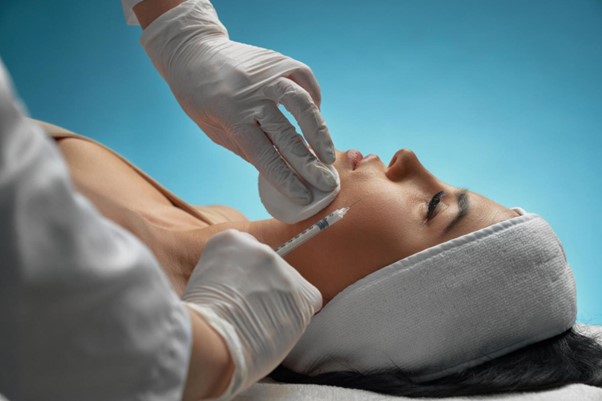
You know, the world of aesthetic medicine is… kind of wild when you really stop and think about it. I mean, we’re talking about tiny needles, micro-droplets of filler, neuromodulators that can literally reshape your face in minutes—and yet, somehow, it’s all supposed to look “natural.” Honestly, when I first stumbled across some advanced injection training resources, I was equal parts fascinated and slightly terrified. Like, this isn’t just plumping lips anymore—it’s almost like sculpting with chemistry.

Let’s just start there: the industry is evolving fast. And while there’s a lot of glamour and Instagram reels showing perfectly arched brows and plump cheeks, there’s also a mountain of science behind it. So, if you’re curious—like really curious—about what’s shaping modern injection techniques, buckle up. It’s going to be a little messy, a little nerdy, but… hopefully, you’ll walk away with a sense of how precise and nuanced this craft has become.

The Basics: Not Just “Stick and Inject”

First off, if you think injections are just about sticking a needle and squirting in some filler, well… you’re in for a surprise. Modern techniques are all about understanding anatomy. Not just the surface stuff (like where the cheekbones sit), but the muscles, ligaments, and fat compartments underneath. The depth of injection, the angle, the product choice—it all matters. One wrong move, and you can totally throw off someone’s natural look.

Dr. Michael Kane, a leading cosmetic physician, once noted, “The success of any aesthetic injection depends more on the injector’s understanding of facial anatomy than the filler itself.” And honestly, I’ve seen this firsthand in seminars where residents practice on cadaver models—there’s nothing glamorous about that, but it’s educational as hell.

Injection training resources now include 3D imaging, simulation models, even virtual reality modules. It’s no longer just watching a demo video and practicing on a silicone face (though that’s still part of it). And yeah, maybe some of this feels excessive, but when you see the precision required, it suddenly makes sense.

Trending Techniques: More Than Just Botox

You’ve probably heard about Botox and dermal fillers—they’re basically the poster children of modern aesthetics. But today’s world is a bit more nuanced. Microcannula techniques, for instance, are gaining traction. These are blunt-tipped needles that can distribute product more evenly, minimize bruising, and reduce the risk of vascular complications. Honestly, the first time I saw a microcannula in action, I thought, “Whoa, that’s magic, right?” But no—it’s just smart technique.

Another hot trend is combination therapy: using neuromodulators and fillers together to create a more harmonious, natural outcome. Dr. Sabrina Shah-Desai, a consultant ophthalmic plastic surgeon, explains, “We’re moving towards a layered approach—strategic placement of small amounts rather than large volume injections—to achieve subtle rejuvenation.”

And then there’s fat-dissolving injections and skin boosters. Some of these are so specialized, only highly trained injectors should even attempt them. Side note: I once chatted with a nurse practitioner who admitted she was still nervous with certain areas—like the under-eye region—because it’s so unforgiving. Makes you realize this isn’t just cosmetic—it’s surgical-level precision in some ways.

Safety First: Why Training Matters

Okay, let’s get serious for a second. There’s a reason everyone keeps emphasizing injection training resources. Complications can be rare, but they do happen. Bruising, swelling, lumps, asymmetry—these are the minor ones. More serious ones, like vascular occlusion, can actually cause tissue loss. Yikes.

A 2022 review in the Aesthetic Surgery Journal reported that “proper anatomical knowledge and technique significantly reduces the risk of vascular complications in filler injections.” Which basically means, yes, education is everything. You can’t just watch a TikTok tutorial and call yourself an expert. Not that anyone should be surprised, but… still, some people try.

Pro Tip: If you’re considering aesthetic procedures, look for practitioners who not only have certifications but also demonstrate ongoing education—seminars, workshops, advanced courses. They’re the ones who take safety as seriously as results.

Tools of the Trade: More Than Needles

Here’s something I didn’t fully appreciate at first: the tools themselves have evolved. Needles and cannulas now come in a dizzying array of lengths, gauges, and flexibility. Even the syringes aren’t just syringes—they’re calibrated for precision dosing, sometimes down to a tiny fraction of a milliliter.

And technology? Don’t get me started. There’s imaging-assisted injection guidance (think ultrasound) to visualize blood vessels and fat layers in real time. Some practitioners swear by it for high-risk areas. I mean… I still remember one session demo where the injector literally showed the vessel map before injecting under the eye—it was like science fiction, but real.

Pro Tip: Don’t underestimate downtime for patients. Even with advanced techniques, there’s still swelling and mild bruising. Some injectors suggest scheduling social events a few days after treatment, just in case.

Pros and Cons: The Real Talk

Honestly, aesthetics is a tricky mix of art and science. Pros? Subtle, natural results if done right, minimally invasive, and immediate feedback (you see changes almost instantly). Cons? Learning curve is steep, the potential for complications exists, and… well, it’s not cheap.

Here’s a quick table to put it in perspective:

Technique Pros Cons
Traditional Needle Widely available, precise Higher bruising, risk of vascular issues
Microcannula Less bruising, safer in certain areas Requires advanced skill, slower
Combination Therapy Natural, customized results Expensive, requires more planning
Ultrasound Guidance Visualizes vessels, improves safety Equipment cost, learning curve

It’s worth noting that personal comfort with the practitioner also matters. Even the best techniques can feel awkward if the injector isn’t confident or communicative.

Reflecting on the Modern Scene

I think the thing that strikes me most about today’s injection techniques is just how deliberate everything has become. Every movement is calculated, every product choice justified, every angle considered. And yet, the goal remains simple: enhancing natural beauty without making it obvious.

You know, watching a master injector work is a little hypnotic. There’s a rhythm, a pattern, almost like a painter with a very, very fine brush. The first time I saw a full-face subtle rejuvenation, I honestly thought it looked fake—then someone said, “Look closer. She just looks rested.” Mind blown.

And here’s the thing: with all the resources available—online modules, hands-on workshops, mentorships—the barrier to entering this field is both higher and lower at the same time. Higher because the standard of training has skyrocketed. Lower because, if you’re motivated, you have access to more guidance than ever before. That’s why injection training resources are literally a game-changer.

Quick Pro Tips for Curious Observers

  1. Ask about technique: If your injector uses microcannulas, that’s often a good sign—they care about safety and subtlety.
  2. Volume matters: Less is more. Subtle tweaks age better than drastic changes.
  3. Timing: Some areas swell more, so plan around social events accordingly.
  4. Follow-up counts: Good injectors schedule check-ins to refine results.

Wrapping It Up

So yeah… modern injection techniques are a weird blend of art, science, and a touch of magic. They’re precise but flexible, safe but complex, subtle but transformative. And maybe that’s why I find them so fascinating—because beneath all the hype and Instagram filters, there’s serious craft happening.

If you’re thinking about aesthetic care, or even just curious, pay attention to the details. Look for practitioners who keep learning, who embrace modern techniques, and who prioritize anatomy as much as aesthetics. And honestly, don’t rush it—you can tell when someone’s in a hurry, and the results usually show.

At the end of the day, it’s about confidence, expression, and feeling good in your own skin. And maybe, just maybe, a little bit of wonder at what the human hand, guided by science, can do.

Continue Reading

Categories

Trending