Blog
Here’s Where to Buy Bus Tickets to Singapore
Published
2 months agoon
By
ENGRNEWSWIRE
If you have ever stood in the middle of a bustling transport terminal, luggage in hand, wondering which of the twenty counters you actually need to approach, you are not alone. Crossing the border from Johor Bahru (JB) to Singapore is a daily ritual for thousands, yet for first-timers or occasional travellers, navigating the starting point—Larkin Sentral—can feel a bit like solving a puzzle.
Larkin Sentral is the main transport hub in Johor Bahru. While it is incredibly convenient, hosting buses that go everywhere from Thailand to Singapore, the ticketing system has undergone a few changes recently that might catch you off guard. Specifically, the introduction of a facility charge and the specific boarding gates can be confusing if you don’t know the drill.
Whether you are a tourist heading down to the Lion City for a holiday or a local making the commute, this guide will break down exactly where to buy your bus tickets, how to handle the facility fees, and which bus operator is best for your journey.
An Overview of Larkin Sentral
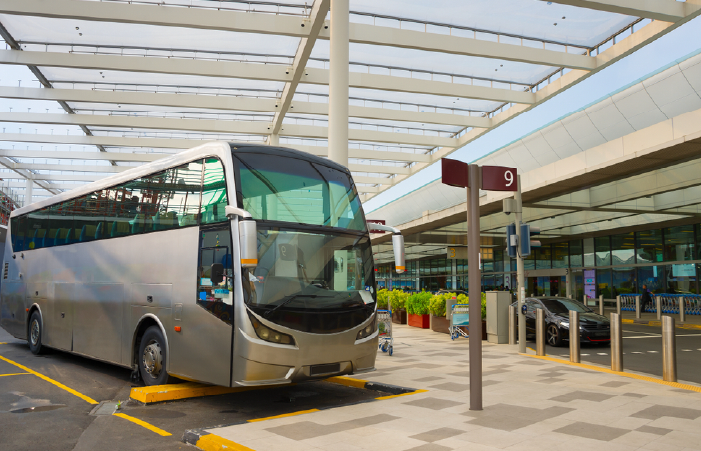
Think of Larkin Sentral as the beating heart of Johor’s public transport. Located about 5km from the Causeway, it is the primary terminal for long-distance express buses and the local cross-border buses that shuttle people into Singapore.
Unlike the JB Sentral checkpoint (where you just walk through immigration), Larkin is a proper bus terminal. This means there are specific procedures for buying tickets and entering the departure hall, much like an airport, albeit on a smaller scale.
Choosing Your Bus Operator
Before you worry about where to buy the ticket, you need to know which bus you are taking. There are three main players for the Larkin to Singapore route, and your choice depends largely on where in Singapore you want to end up.
1. Causeway Link (The “Yellow Bus”)
These are arguably the most popular choice for their frequency and reliability.
- CW1: Heads to Kranji MRT.
- CW2: Heads to Queen Street Terminal (near Bugis MRT). This is a favourite for those heading to the city centre.
- CWL: A connecting service that takes you to the CIQ complex.
2. SBS Transit (The “Red and White Bus”)
This is Singapore’s public bus operator.
- Bus 170: This is a loop service that stops at Queen Street Terminal, but unlike the express buses, it makes stops along the way. It is often cheaper but can take longer.
- Payment: You can use a Singaporean EZ-Link card on board, which makes it very convenient if you already have one.
3. Singapore-Johore Express (SJE)
- Route: Direct to Queen Street Terminal.
- Vibe: It is a no-frills express bus. It gets you from A to B efficiently.
The Critical Step: The RM1 Facility Charge
Here is the part that trips most people up. Since February 2023, Larkin Sentral has implemented a mandatory RM1 facility charge for all passengers boarding buses to Singapore.
You cannot enter the departure hall without a QR code proving you have paid this fee.
Think of this as a “gate pass.” Even if you plan to pay for your bus ticket on board (like with SBS Transit), you still need to pay this RM1 fee to the terminal to get through the barriers.
Where to Buy Your Tickets and Passes
Now, let’s get down to the logistics. There are two components to your payment: the RM1 Facility Pass and the Bus Ticket.
Option 1: The Centralised Ticketing Counters (Cash)
If you prefer dealing with a human or paying in cash, head to Counters 1 and 2 at the terminal.
- What to do: Tell the staff you are going to Singapore.
- What you get: You can pay the RM1 fee here and receive a printed boarding pass with a QR code. You can often purchase your long-distance bus ticket here as well.
- Pros: Straightforward if you are unsure.
- Cons: Can have long queues during peak hours.
Option 2: GoLarkin Online (Planning Ahead)
You can purchase tickets and the facility pass online at golarkin.com.my.
- What to do: Select your destination and pay online.
- Pros: You secure your slot and avoid the counter queues.
- Cons: Requires you to plan ahead.
Option 3: Touch ‘n Go eWallet (The Quickest Way)
For the RM1 facility charge specifically, using the Touch ‘n Go eWallet is often the fastest method if the infrastructure is active.
- What to do: Look for the QR codes or payment points near the entrance to the Departure Hall (Gates 1 & 2).
- Pros: Cashless and fast.
Paying for the Bus Ride Itself
Once you have your RM1 pass and are inside the departure hall, paying for the actual ride varies by operator:
- Causeway Link: You can pay cash (exact change is best) to the driver, use a ManjaLink card, or Visa/Mastercard.
- SBS Transit: Tap your EZ-Link card or pay cash (Singapore Dollars) on board.
- SJE: Usually cash payment on board or a ticket purchased at the designated counter.
Step-by-Step Guide to Boarding
To ensure your journey is smooth, here is the chronological order of how to navigate the terminal:
- Arrive at Larkin: Locate the main ticketing area.
- Get your QR Pass: Pay the RM1 facility charge at the counter or via e-wallet. Do not lose this slip/digital code!
- Go to the Gates: Head to the Singapore Departure Hall (Gates 1 & 2).
- Scan In: Scan your QR code at the automated gates to enter the waiting area.
- Wait for Your Bus: Listen for announcements or watch the screens. When your bus arrives (e.g., “CW2 to Queen Street”), head to the berth.
- Board and Pay: If you haven’t bought a specific seat ticket, pay the driver as you board.
The Immigration Process
Once the bus leaves Larkin, your journey isn’t a straight shot. You will have to hop off twice:
- Johor Bahru Checkpoint (CIQ): The bus will drop you off. You must take all your luggage with you. Go up, clear Malaysia immigration (exit), and then go back down to the bus bay. Pro Tip: You can board any bus from the same operator to continue your journey. You don’t have to wait for the exact same bus number plate you arrived on.
- Woodlands Checkpoint: After crossing the Causeway bridge, you will get off again with all your luggage. Clear Singapore immigration (entry).
- Final Leg: Walk to the bus bay, board the bus again, and ride it to your final destination (Queen Street, Kranji, etc.).
Essential Travel Tips
- Currency: Ensure you have Malaysian Ringgit (MYR) for the Larkin fees and small notes if paying cash for the bus. If you pay cash on an SBS bus, they might accept SGD, but the exchange rate won’t be in your favour.
- Peak Hours: Friday evenings (leaving SG) and Sunday evenings (leaving JB) are notoriously busy. If travelling from Larkin on a Sunday afternoon, expect crowds.
- The “Queue” Culture: At the bus bays after immigration, queues can get messy. Stand your ground, politely but firmly.
- Digital Arrival Card: Don’t forget that all travellers entering Singapore (foreign visitors) must submit the SG Arrival Card (SGAC) online up to 3 days before arrival.
Are There Alternatives?
If the idea of hopping on and off a bus with luggage sounds exhausting, you do have alternatives, though they come with caveats:
- KTM Shuttle Tebrau: The train takes only 5 minutes to cross the border. However, tickets sell out weeks in advance. It departs from JB Sentral, not Larkin.
- Private Taxi: You can hire a licensed cross-border taxi from the terminal. This allows you to stay in the car during immigration. It is significantly more expensive but offers the highest convenience.
Making the Trip Easy with Easybook
Buying the Larkin bus ticket is actually quite efficient once you understand the “Gate Pass” system. The key takeaway is to treat the RM1 facility charge and your bus ticket as two separate items.
By having your Touch ‘n Go eWallet ready or small cash for the counters, you can breeze through the gates while others are still figuring out why the barrier won’t open. Safe travels!
Streamlining Information Retrieval with Disqover Connector Search
Discover Modern Streetwear Style with Guiding Cross
Guiding Cross: Premium Apparel Designed for Everyday Comfort
SD Card Recovery Tool Mac: Free Options to Recover Lost Files Easily
Why Aeration Is the Missing Step in Your Lawn Care Routine
Data Analytics Has Become a Core Pillar of Business Scaling in the UK’s Digital Economy
Why Education Around Consent Is Key in Preventing Misconduct
Why AML Compliance Feels So Expensive
The Essential Cleaning Checklist Before Handing Over Your Property
What Awareness Really Means in Fitness and Why Most People Get It Wrong
Who Is Marlene Knaus? The Untold Story of Niki Lauda’s First Wife
Jacqueline Bernice Mitchell: The Inspiring Story of Jerry Rice’s Ex-Wife
Curious About JOI Database? Read This First Before You Click Anything
Mickey Middleton: The Untold Story of Bryan Cranston’s First Wife
Where Is Barbara Boothe Now? Inside Her Life After Larry Ellison
Wendy Lang: Meet the Therapist Married to Cenk Uygur
Who Is Jasmine Williams? Meet Brad Williams’ Amazing Wife
Where Is Noelle Watters Now? Jesse Watters’ Ex-Wife’s Life After Divorce
Alisande Ullman Today: What Happened After Her Divorce from Leslie Nielsen?
Where Is Tanya Hijazi Now?: All About Rick James’ Former Wife
Streamlining Information Retrieval with Disqover Connector Search
Discover Modern Streetwear Style with Guiding Cross
Guiding Cross: Premium Apparel Designed for Everyday Comfort
SD Card Recovery Tool Mac: Free Options to Recover Lost Files Easily
Why Aeration Is the Missing Step in Your Lawn Care Routine
Data Analytics Has Become a Core Pillar of Business Scaling in the UK’s Digital Economy
Why Education Around Consent Is Key in Preventing Misconduct
Why AML Compliance Feels So Expensive
The Essential Cleaning Checklist Before Handing Over Your Property
What Awareness Really Means in Fitness and Why Most People Get It Wrong
Categories
Trending
-
Celebrity9 months agoWho Is Marlene Knaus? The Untold Story of Niki Lauda’s First Wife
-

Celebrity6 months agoJacqueline Bernice Mitchell: The Inspiring Story of Jerry Rice’s Ex-Wife
-

Entertainment8 months agoCurious About JOI Database? Read This First Before You Click Anything
-
Celebrity7 months agoMickey Middleton: The Untold Story of Bryan Cranston’s First Wife