
Connect with us

Tech

Revolutionizing the Food Packaging Industry with the Food Filling Machine

Published

on

Revolutionizing the Food Packaging Industry with the Food Filling Machine
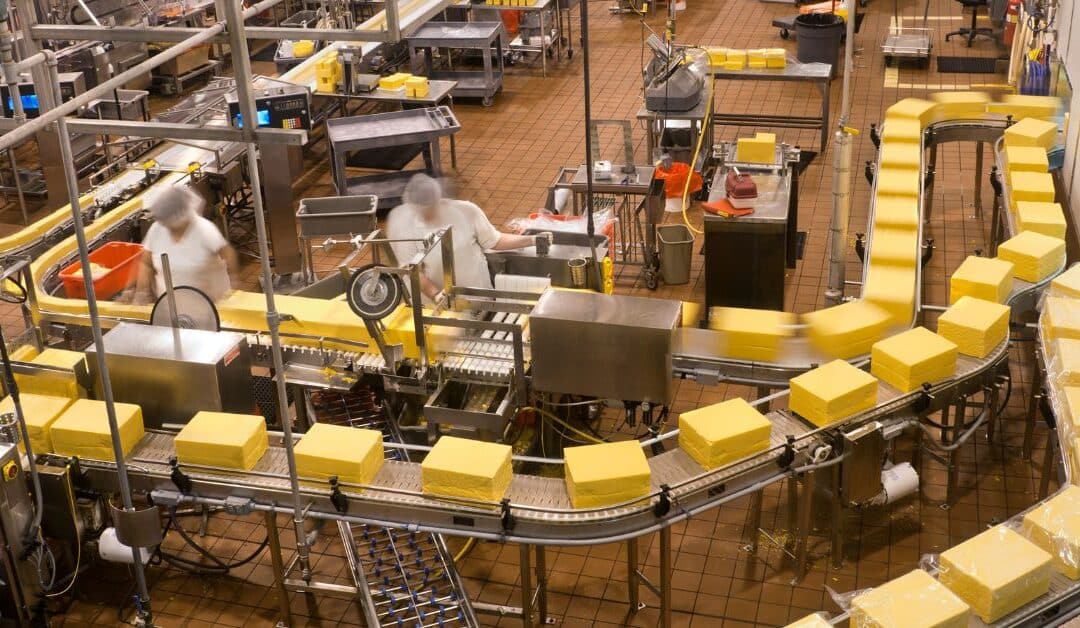
In the modern food production industry, food filling machines play a crucial role in packaging products efficiently and hygienically. These machines are designed to automate the process of filling containers with liquids, semi-liquids, pastes, powders, and other food products, ensuring precision and speed. 

The rise of automation in food packaging has transformed the industry, increasing production efficiency while maintaining high standards of safety and quality.

What is a Food Filling Machine?

A food filling machine is a device used to automatically fill containers (such as bottles, jars, cans, pouches, or cups) with food products. These machines can handle a wide range of food items, from liquids like juices and sauces to thick pastes like ketchup and jams. The machines ensure that the containers are filled accurately with the right amount of product, improving productivity while minimizing waste.

Food filling machines come in various types, including volumetric, gravimetric, and pump filling machines, depending on the consistency and nature of the food being processed. Each type is tailored to meet specific needs, making them versatile in different food packaging lines.

Types of Food Filling Machines

  1. Volumetric Filling Machines
    Volumetric filling machines are ideal for products that have a consistent texture, such as juices, milk, and soft drinks. These machines measure the volume of the liquid or paste that is dispensed into each container. The volumetric method ensures uniformity in the amount of product, making it suitable for products where consistency is critical.
  2. Gravimetric Filling Machines
    These machines measure the weight of the food product before dispensing it into the container. Gravimetric filling machines are used for products like flour, sugar, and other powdered foods, where the weight of the product is more important than the volume.
  3. Pump Filling Machines
    Pump filling machines are used for thicker liquids and pastes like oils, sauces, and jams. The machine uses a pump system to transfer the product into the containers. This type of filling machine is ideal for products that have a high viscosity, as the pump ensures smooth and even filling.

Benefits of Food Filling Machines

  1. Increased Production Efficiency
    One of the key advantages of food filling machines is the significant increase in production efficiency. Automated machines can fill hundreds or even thousands of containers per hour, vastly outpacing manual filling. This allows food manufacturers to keep up with high demand while maintaining consistency and quality across large batches.
  2. Accuracy and Precision
    Food filling machines offer high levels of precision, ensuring that each container is filled to the exact required amount. This minimizes the risk of underfilling or overfilling, which could lead to product wastage and inconsistent quality. Accurate filling also helps meet regulatory standards for food labeling and packaging.
  3. Reduced Labor Costs
    Automation in food packaging processes, including filling, reduces the need for manual labor. This translates to cost savings for food manufacturers as fewer workers are required to operate the machines. Additionally, reducing human involvement lowers the chances of errors and contamination, which can be costly for businesses.
  4. Improved Hygiene and Safety
    Food filling machines are designed to operate under strict hygienic conditions. They are typically made of stainless steel, which is easy to clean and resistant to contamination. Automated filling also eliminates the risk of human error in hygiene practices, ensuring that the food products remain safe and free from contaminants during the packaging process.
  5. Flexibility
    Modern food filling machines are highly versatile and can be used for a wide range of food products. Whether it’s a liquid, paste, or powder, manufacturers can use a single machine to fill various types of containers with different types of food. Some machines even allow quick adjustments to accommodate different product viscosities and container sizes, further enhancing operational flexibility.
  6. Consistency in Quality
    Food products often need to be consistent in terms of both appearance and quantity. Food filling machines ensure that each container is filled accurately, reducing variation between containers. This helps maintain a consistent quality of the product, which is essential for brand integrity and customer satisfaction.

Applications of Food Filling Machines

Food filling machines are used in a wide variety of food production settings, including:

  • Beverage Industry
    These machines are extensively used in the beverage industry to fill containers with liquids like water, fruit juices, soft drinks, and alcoholic beverages. The precise filling ensures that each bottle or can has the same amount of liquid, which is essential for product consistency and regulatory compliance.
  • Sauce and Condiment Industry
    For sauces, ketchup, mustard, and other condiments, filling machines with pump systems are commonly used. These products often have varying viscosities, and the pump filling machines ensure smooth, consistent filling without spills or messes.
  • Dairy Industry
    Milk, yogurt, and other dairy products are often packaged using volumetric filling machines. These machines are designed to handle both liquid and semi-solid products, ensuring that dairy containers are filled precisely and hygienically.
  • Frozen Food Packaging
    Food filling machines are also employed in the packaging of frozen foods, including ice creams, frozen vegetables, and pre-packaged meals. These machines ensure that products are filled quickly and hygienically before being sealed for storage.

Choosing the Right Food Filling Machine

Selecting the right food filling machine depends on several factors, including the type of food product being packaged, the desired speed of production, the type of container, and budget considerations. Here are a few tips to help choose the right machine:

  1. Consider the Product Consistency
    The viscosity or thickness of the product plays a major role in determining the type of filling machine. Pump machines are better suited for thicker products, while volumetric machines work well with liquids.
  2. Production Capacity
    Manufacturers should consider how many containers need to be filled per hour. A high-speed machine is suitable for large-scale production, while a smaller machine may be sufficient for low-volume runs.
  3. Flexibility in Container Types
    Some filling machines are versatile enough to handle different types and sizes of containers. If you plan to package a variety of products in different containers, a flexible filling machine might be the right choice.
  4. Maintenance and Support
    The machine’s ease of maintenance and the availability of spare parts should be considered. Opt for machines from reputable manufacturers who offer excellent customer support and service.

Conclusion

Food filling machines have revolutionized the food packaging industry, offering numerous benefits like increased production speed, accuracy, improved hygiene, and cost savings. Whether you are in the beverage, dairy, or condiment industry, a suitable food filling machine can significantly enhance your production process. By selecting the right filling machine, food manufacturers can ensure consistent product quality, meet high demand, and stay competitive in the ever-growing food market.


Continue Reading

Categories

Trending