
Blog
What Is the Optimal Ratio of Bouncy Castles to Inflatable Slides for a Growing UK Hire Business?

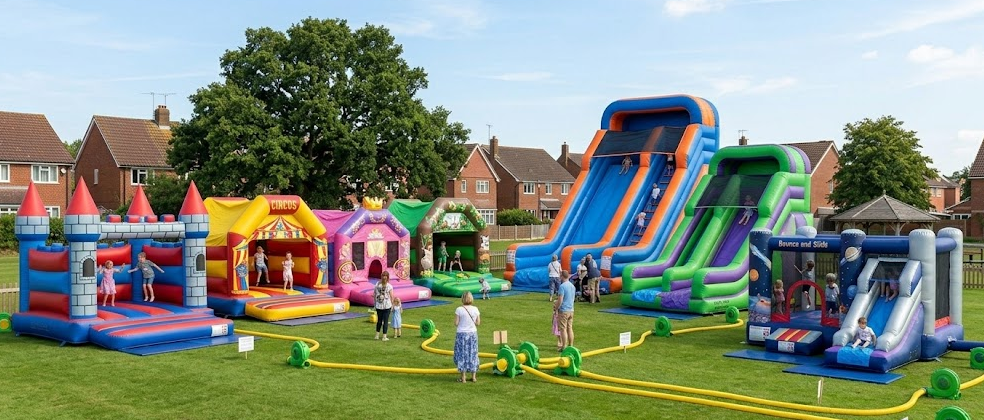
For entrepreneurs navigating the competitive landscape of the UK’s inflatable hire industry, scaling a business is as much about strategic inventory management as it is about marketing. As we look toward the 2026 event season, a recurring question for growing firms is how to balance their fleet. Specifically, what is the optimal ratio of standard bouncy castles to larger inflatable slides to ensure maximum return on investment (ROI)?
In the UK market, where garden sizes vary significantly from London suburbs to the rolling hills of the North, there is no “one-size-fits-all” answer. However, by analysing rental data and depreciation costs, an ideal balance has emerged for businesses looking to professionalise their operations.
The Foundation: Why Bouncy Castles Remain the Volume Driver
For any UK hire business, standard bouncy castles are the bread and butter. Typically sized at 12ft x 12ft or 15ft x 15ft, these units are designed to fit into the average British back garden. They are lightweight, easy to transport in a standard van, and require minimal setup time.
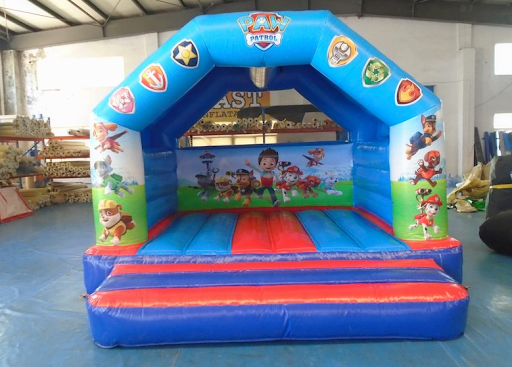
From a financial perspective, bouncy castles offer consistent, high-frequency rentals. While the daily hire rate is lower than that of a giant slide, the “utilisation rate” is significantly higher. For a growing business, roughly 60% to 70% of your inventory should consist of high-quality units, such as a commercial bouncy castle designed for durability. This ensures that even on quieter weekends, you have units out on hire covering your fixed overheads.
The Profit Engine: The Role of Inflatable Slides
If bouncy castles provide the volume, inflatable slides provide the profit margin. A large, well-designed inflatable slide is a “statement piece” that attracts attention at school fétes, corporate fun days, and large community events. In the UK, a commercial-grade slide can often command a hire price that is 50% to 100% higher than a standard castle.
However, slides come with logistical considerations. They are heavier, require more storage space, and often necessitate two-person delivery teams. For a business in its growth phase, allocating 20% to 30% of your fleet to specialised units like a commercial inflatable slide is the strategic sweet spot. This allows you to cater to higher-budget events without overextending your manual handling capabilities or storage capacity.
The Secret Ingredient: The “Combo” Unit
To bridge the gap between these two categories, many successful UK hirers are investing in “Bounce and Slide” combos. These units offer the best of both worlds—the compact footprint of a castle with the excitement of a slide. These should typically make up the remaining 10% of your inventory, serving as a premium upgrade for backyard birthday parties where space is tight but the budget is flexible.
Quality Specifications: Protecting Your Investment
Regardless of your chosen ratio, the profitability of your fleet depends entirely on the durability of the units. In the damp and unpredictable UK climate, inferior materials lead to mould, fading, and structural failure. Professional hirers should strictly insist on units manufactured from 610gsm (18oz) PVC vinyl. This heavy-duty, flame-retardant material is essential for passing the mandatory BS EN 14960 safety inspections.
Furthermore, the “hidden” cost of a fleet is the power consumption and reliability of the inflation system. For mid-to-large-scale units, using a high-output 1.5HP commercial blower is critical. A powerful blower ensures the unit remains rigid and safe even under maximum user weight, which is a key factor in passing annual RPII or PIPA testing.
The Geographic Factor in the UK Market
Your ideal ratio may also shift based on your specific UK location. Operators in densely populated areas like Greater London often lean more heavily toward “low-profile” bouncy castles due to smaller indoor venues and tight gardens. Conversely, operators in more rural counties with larger outdoor spaces can afford to increase their ratio of large inflatable slides to capture the lucrative festival and agricultural show market.
Conclusion
For a growing UK hire business in 2026, the most resilient inventory model follows a 60:30:10 ratio—60% standard bouncy castles for volume, 30% inflatable slides for high-margin revenue, and 10% specialised combos or “statement” pieces for differentiation.
By sourcing equipment that adheres to the strict 0.55mm PVC and BS EN 14960 standards, you ensure that your assets hold their value for years to come. Success in this industry isn’t just about having the biggest slide; it’s about having the smartest mix of equipment to serve your local community’s needs.

How to Keep Your Tag Heuer Automatic Running Perfectly: A Complete Care Guide

Best Smart Mattress: DeRUCCI, Eight Sleep and Sleep Number Compared

Fixed Income, Variable Markets: What This GrowthDirect Review Tested

Best Perfumes for Men in the UAE Perfect for Evening Wear

How to Choose the Perfect Oval Diamond Engagement Ring: Shape, Style, Gold & Buying Tips

Years Away From the Markets: What a Returning Trader Found When Testing Brent Markets

A Long Term Investor Opens a Trade Account: My Inverset Review

Putting an Inheritance to Work Slowly, With Keystone Wealth Management

How Healthcare SEO Increases Patient Appointments Without Paid Ads

Choosing an Account That Matches How You Trade

Who Is Marlene Knaus? The Untold Story of Niki Lauda’s First Wife

Jacqueline Bernice Mitchell: The Inspiring Story of Jerry Rice’s Ex-Wife

The Best Sales Enablement Platforms to Boost Your Sales Process in 2026

Curious About JOI Database? Read This First Before You Click Anything

Mickey Middleton: The Untold Story of Bryan Cranston’s First Wife

Where Is Barbara Boothe Now? Inside Her Life After Larry Ellison

Who Is Jasmine Williams? Meet Brad Williams’ Amazing Wife

Wendy Lang: Meet the Therapist Married to Cenk Uygur

Where Is Noelle Watters Now? Jesse Watters’ Ex-Wife’s Life After Divorce

Alisande Ullman Today: What Happened After Her Divorce from Leslie Nielsen?
How to Keep Your Tag Heuer Automatic Running Perfectly: A Complete Care Guide
Best Smart Mattress: DeRUCCI, Eight Sleep and Sleep Number Compared
Fixed Income, Variable Markets: What This GrowthDirect Review Tested
Best Perfumes for Men in the UAE Perfect for Evening Wear
How to Choose the Perfect Oval Diamond Engagement Ring: Shape, Style, Gold & Buying Tips
Years Away From the Markets: What a Returning Trader Found When Testing Brent Markets
A Long Term Investor Opens a Trade Account: My Inverset Review
Putting an Inheritance to Work Slowly, With Keystone Wealth Management
How Healthcare SEO Increases Patient Appointments Without Paid Ads
Choosing an Account That Matches How You Trade
-
 Celebrity1 year ago
Who Is Marlene Knaus? The Untold Story of Niki Lauda’s First Wife
-
 Celebrity1 year ago
Jacqueline Bernice Mitchell: The Inspiring Story of Jerry Rice’s Ex-Wife
-
 Business9 months ago
The Best Sales Enablement Platforms to Boost Your Sales Process in 2026
-
 Entertainment1 year ago
Curious About JOI Database? Read This First Before You Click Anything