
Connect with us

Health

Cat Food Basics for New Cat Owners. A Simple Guide to Safe, Healthy Meals

Published

on

Cat Food Basics for New Cat Owners. A Simple Guide to Safe, Healthy Meals
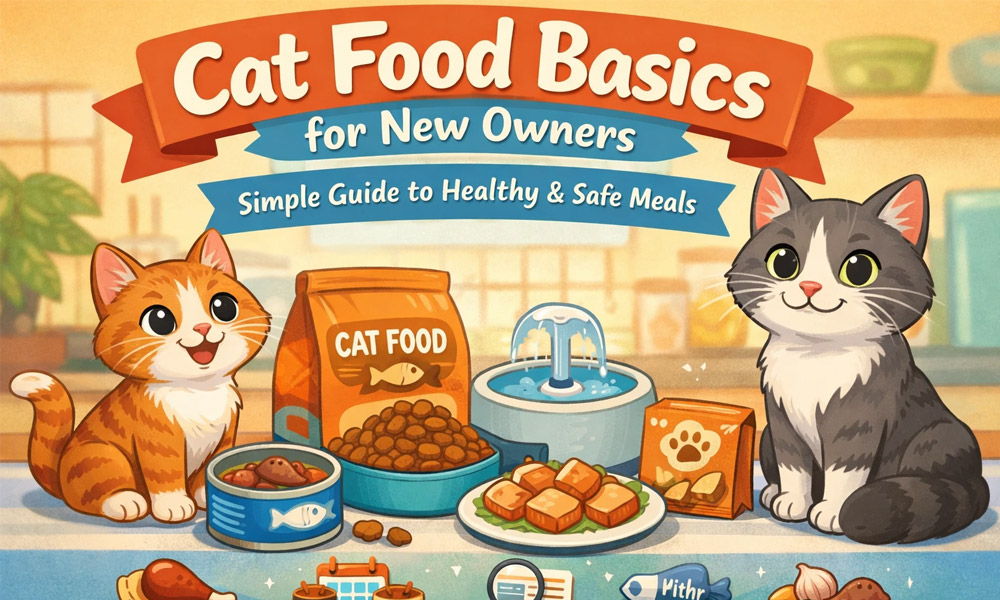
Bringing home a cat is exciting, and food is one of the first things you will think about. It can feel confusing at the start, since there are so many brands, textures, and “special” formulas.

This guide keeps it simple. You will learn what matters on a label, how to choose between wet and dry food, and how to build an easy feeding routine that fits real life.

Cats need meat-first nutrition

Cats are obligate carnivores, so their bodies run best on animal-based protein and fat. A solid everyday cat food should give your cat:

  • Animal protein as the main nutrition base
  • Fat for energy and coat support
  • Taurine (cats must get this from food)
  • Vitamins and minerals in the right balance
  • Water from wet food, drinking, or both

When a food says “complete and balanced,” it means it is made for daily feeding, not just as a topper or treat. For most new owners, that label is a safe starting point.

Wet food vs dry food. What should you pick?

Wet and dry cat food can both work. Many homes use a mix, and that is totally normal.

Wet food (cans or pouches)

Wet food has a lot of moisture, so it helps with hydration. It usually smells stronger too, so picky cats may eat it faster.

Good fit for:

  • Cats that drink little water
  • Cats that like softer textures
  • Owners who want simple portion control

Dry food (kibble)

Dry food stores well and works with automatic feeders. It often costs less per meal. It has low moisture, so you will want to pay extra attention to water intake.

Good fit for:

  • Busy schedules
  • Multi-cat homes with grazers
  • People who want easy storage

Raw and homemade diets

Raw or homemade feeding can bring food-safety risks, and it is easy to miss key nutrients. If you want to try it, speak with a veterinarian who understands nutrition, not just general health.

How to read a cat food label fast

Once you know what to check, labels get easier. You do not need to overthink this.

Start with the life stage

Pick a food that matches your cat’s age:

  • Kitten (growth)
  • Adult maintenance
  • All life stages
  • Senior

Kittens need calorie-dense food. Adult food can fall short for growth.

Use the ingredient list as a quick filter

Ingredients show in order by weight. For most cats, you want a clear animal source near the top, such as:

  • chicken
  • turkey
  • salmon
  • beef
  • chicken meal or turkey meal (common in dry food)

If the first few ingredients look vague or mostly plant-based, skip it and keep looking.

Check the “Guaranteed Analysis”

This shows minimum protein and fat, plus maximum fiber and moisture. It helps you compare foods quickly.

Wet food will have a high moisture number. Dry food will show a much lower moisture maximum.

Don’t trust the front label too much

Words like “dinner,” “recipe,” or “with” can be marketing. The ingredient list tells the real story.

Picking the right food for your cat’s age

Kittens

Kittens grow fast and burn energy fast. They need more calories and a nutrient mix made for growth.

Simple kitten plan:

  • several small meals per day
  • wet food for hydration
  • dry food if it suits your schedule

Adult cats

Adult cats do well with routine meals and measured portions. Two meals per day works for many cats.

A quick body check helps a lot. You should feel ribs under a light layer of fat, not a thick pad.

Senior cats

Older cats change over time. Some gain weight from lower activity. Others lose weight from muscle loss or dental issues.

Senior-friendly habits:

  • smaller meals more often
  • softer textures if chewing gets harder
  • regular weight checks at home

A feeding schedule that stays realistic

Cats like routine, and most owners do too. A simple schedule works well:

  • morning meal
  • evening meal

Some cats enjoy a small mid-day snack, but keep it measured so it does not turn into free-feeding.

How much food does a cat need?

Use the feeding chart as a starting point, then adjust over 2 to 3 weeks based on weight and body shape. A small kitchen scale makes this easier than guessing.

If you switch brands, portions often change since calorie levels vary by formula.

Treats and human food. What is safe?

Treats can help with bonding, training, and giving pills. Keep them small and keep the total amount low.

Better treat options:

  • freeze-dried single-ingredient meat treats
  • small pieces of plain cooked chicken or turkey
  • cat dental treats in small portions

Human food can be risky for cats. Some foods are toxic, and others can upset the stomach fast. For a clear list, read Foods Cats Should Never Eat.

Water matters more than you think

Many cats drink less than owners expect. Hydration supports kidney and urinary health, so it is worth paying attention to.

Ways to help your cat drink more:

  • serve wet food daily
  • place water bowls in quiet spots
  • refresh water often
  • try a fountain if your cat likes moving water

A wide bowl can help too. Some cats dislike narrow bowls that touch their whiskers.

Common feeding mistakes new owners make

These are very common, even in caring homes:

  • leaving food out all day with no portion control
  • switching foods too fast, then dealing with stomach upset
  • giving too many treats
  • offering milk, since many adult cats struggle with lactose
  • leaving wet food out too long

If you want more practical safety topics, take a look at Pet Safety Guides.

How to switch cat food without stomach trouble

Cats handle change better when you do it slowly. This step-by-step plan works well:

  • Days 1 to 3: 75% old food, 25% new food
  • Days 4 to 6: 50% old food, 50% new food
  • Days 7 to 9: 25% old food, 75% new food
  • Day 10: 100% new food

If your cat vomits, gets diarrhea, or refuses meals, pause the switch. Go back to the last mix that worked, then move slower.

Storage and food safety tips

Good food can still cause problems if storage gets messy.

Dry food:

  • keep it in the original bag, inside an airtight container
  • store it in a cool, dry place
  • close the bag fully after each use

Wet food:

  • refrigerate leftovers right away
  • use within 24 to 48 hours
  • cover the can or move it into a sealed container

Wash bowls daily. Old food film builds up fast.

Signs your cat’s diet may need a change

Food should support steady energy, normal stools, and stable weight.

Red flags:

  • repeated vomiting
  • chronic diarrhea or constipation
  • sudden weight change
  • dull coat or heavy shedding
  • bad breath that stays around
  • low energy for days

If you see these signs, a vet visit is a smart move. Diet changes can help, but first you want to rule out health issues.

Final thoughts

Cat food choices do not need to be stressful. Start with a complete food made for your cat’s life stage, feed measured portions, and keep treats as extras. Add wet food or better water habits for hydration, and you are already doing the big things right.

Continue Reading

Categories

Trending